Luxury Living With A Village Feel In The West Village
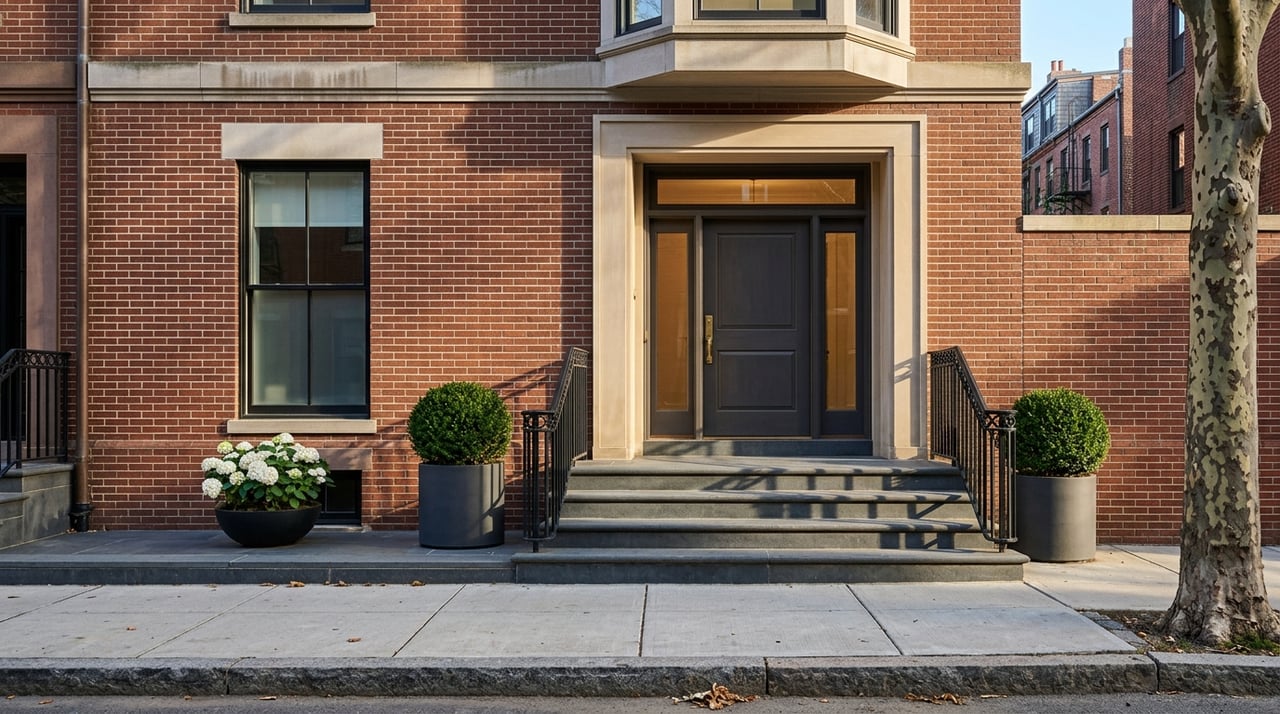
If you want Manhattan luxury without the feeling of living in a canyon of glass towers, the West Village stands apart. This is a neighborhood where historic streetscapes, intimate retail corridors, and deeply rooted cultural landmarks create a rare sense of place. For buyers and sellers alike, understanding that balance of prestige and intimacy is key. Let’s take a closer look at what makes West Village luxury feel so distinct.
West Village sits within Manhattan Community District 2, an area shaped by distinctive architecture, cultural diversity, political activism, and a long artistic legacy. Community Board 2 places the district between 14th Street and Canal Street, from the Hudson River to the Bowery and Fourth Avenue. That larger context matters because West Village is part of a downtown fabric that has long valued character over uniformity.
What many buyers notice first is scale. The neighborhood feels more residential and more contained than many other downtown luxury enclaves. Instead of superblocks and tall towers, you find walkable streets, lower-rise buildings, and a rhythm that feels calmer and more personal.
That village-like atmosphere is also tied to preservation. Community Board 2 notes that the area contains one of the city’s largest landmark districts, which has helped protect the neighborhood’s visual identity. In practical terms, that means the West Village often delivers luxury through setting, proportion, and architectural detail rather than through sheer height or amenity count.
In the West Village, luxury is often quieter. It may show up in a well-preserved townhouse, a low-rise historic residence, or a character-filled apartment in a building with architectural pedigree. The appeal is less about spectacle and more about authenticity, privacy, and design.
The National Park Service describes Greenwich Village as a place where Federal, Greek Revival, Gothic Revival, and Italianate townhouses and churches were preserved from demolition. That architectural continuity is a major reason the West Village feels so visually cohesive. For many buyers, the value lies in owning a home that feels connected to Manhattan’s historic fabric rather than separated from it.
This also shapes what sellers need to understand. A property here is not just competing on square footage or finishes. It is also being evaluated for setting, scale, charm, and how well it fits into a buyer’s idea of classic downtown living.
The housing mix in the West Village supports that distinct identity. Buyers will commonly encounter:
One of the clearest examples of adaptive reuse is Westbeth. Originally Bell Telephone Laboratories, it was converted in the late 1960s and 1970s into artists’ housing and now includes 384 affordable live-work apartments for artists and their families, along with studios, commercial spaces, galleries, and cultural organizations. Its history helps illustrate why the West Village continues to attract people who value creative legacy and residential character.
For luxury buyers, this means inventory can feel highly specific. Homes are often defined by layout, provenance, building style, and street presence rather than by a standardized new-development formula.
One of the most important practical points in the West Village is landmark oversight. New York City’s Landmarks Preservation Commission states that historic districts are groups of landmark buildings that create a distinct sense of place, and alterations, reconstruction, demolition, or new construction affecting designated properties generally require prior approval.
For buyers, that can be a meaningful advantage if you value neighborhood consistency and architectural preservation. It helps protect the streetscape that drew you to the area in the first place. At the same time, it can affect renovation scope and timeline, especially when exterior work or major building changes are involved.
For sellers, this becomes part of the positioning strategy. If your property is landmarked or located within a historic district, buyers will want clarity around what has been updated, what approvals were required, and what future changes may be possible. In a market this nuanced, details matter.
West Village shopping is not defined by large luxury corridors. It is shaped more by intimate storefronts and long-established local institutions. Bleecker Street is the clearest example of that pattern.
Murray’s Cheese has operated its Bleecker Street shop since 1962, while Diptyque also maintains a boutique on the corridor. This mix helps explain why West Village retail feels curated and small-scale. Even when it is high-end, it tends to feel personal rather than grandly commercial.
The same is true of dining. Michelin describes Bartolo on West 4th Street as a cozy hideout with a small-bar feel and handsome banquettes. That kind of setting reflects the broader neighborhood mood, where destination appeal often comes in a more intimate format.
The West Village is not only attractive because it is beautiful. It is also compelling because culture is woven into the neighborhood in a very visible way. That adds depth to the experience of living there.
Blue Note, at 131 West 3rd Street, has been a cultural institution since 1981. The Village Vanguard at 178 Seventh Avenue South remains one of the area’s signature music venues. The National Park Service also notes that Greenwich Village continues to be home to jazz clubs and Off-Broadway theaters.
Westbeth adds another layer through galleries, performance space, rehearsal space, and arts organizations. Nearby, Christopher Street and Stonewall National Monument remain central to the neighborhood’s identity, with the National Park Service recognizing the monument’s importance through the Stonewall Inn, Christopher Park, and surrounding streets. Together, these places help give the West Village a lived-in cultural richness that many luxury districts cannot replicate.
For many buyers, the West Village offers a rare blend of prestige and ease. You can have a highly desirable Manhattan address while still feeling connected to a neighborhood with a human scale. That balance is hard to find.
The strongest draw is often emotional as much as practical. Buyers who are looking here tend to respond to the feeling of preserved streets, lower-rise architecture, and homes with personality. They are often choosing authenticity and atmosphere over the standardized amenity package of a newer tower.
That said, the neighborhood is not one-size-fits-all. Buyers who want extensive new-development amenities or broad flexibility for exterior changes may find the West Village more limiting. Buyers who value charm, discretion, and architectural context often see those same traits as the neighborhood’s greatest strengths.
If you are selling in the West Village, the most effective story is rarely just about finishes. Buyers here are often paying for a full experience that includes architecture, block appeal, privacy, and cultural context.
That means your home’s narrative should focus on what makes it feel rooted in the neighborhood. Original details, thoughtful updates, scale, natural light, and the relationship between the home and the surrounding streetscape can all carry weight. In a micro-market like this, careful positioning matters because buyers are often comparing not only properties, but also lifestyles.
It also helps to be realistic about the audience. The West Village is especially compelling to buyers who appreciate preserved character and downtown identity. Clear, disciplined marketing should speak to that buyer directly, rather than trying to make the property feel like something it is not.
The broader district data also offers useful context. The 2018 community profile for Community District 2 reported 9 percent poverty, 4 percent unemployment, and 38 percent rent burden among renter-occupied homes. These are district-wide figures rather than West Village-only figures, but they help frame the area’s high-cost, high-demand environment.
For buyers, that reinforces the reality that the West Village remains one of Manhattan’s more sought-after residential settings. For sellers, it underscores why presentation and pricing discipline still matter. Demand may be strong, but sophisticated buyers in this part of the market are selective.
What makes the West Village special is not just that it is expensive or desirable. It is that it offers a version of Manhattan luxury that feels edited, historic, and deeply local. The neighborhood’s preserved architecture, intimate commercial corridors, and cultural legacy create a kind of prestige that does not need to announce itself loudly.
If you are buying, that can mean finding a home with lasting character in one of downtown’s most established settings. If you are selling, it means your property deserves a strategy that understands how buyers read nuance, context, and scarcity in a neighborhood like this.
If you are considering a move in the West Village or evaluating how to position a downtown Manhattan property, working with a broker who understands luxury as a collection of micro-markets can make a meaningful difference. Connect with Carol Staab for discreet, strategic guidance.
Carol Staab has an innovative luxury real estate practice that provides an elite level of concierge service through unparalleled world-class marketing and a hands-on business approach. Her mission is to give her clients an exceptional experience while helping them achieve the best results possible.