Preparing A Classic Upper West Side Co-Op For A Strategic Sale
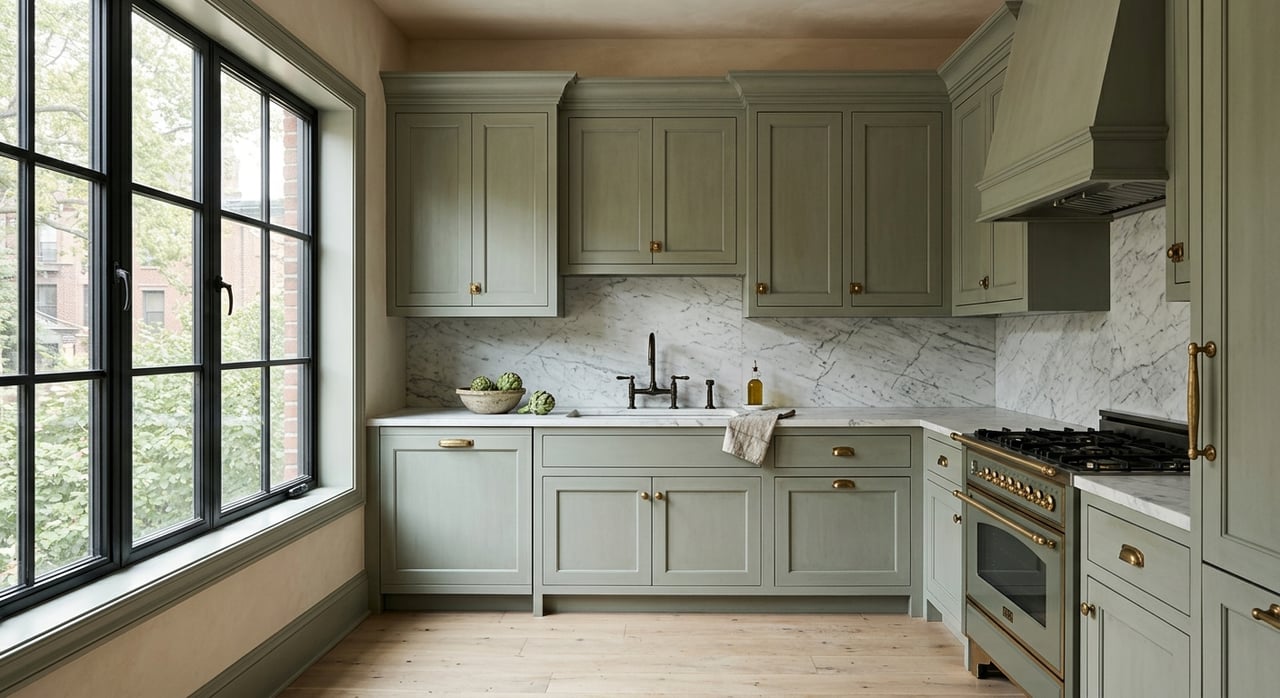
Selling a classic Upper West Side co-op is rarely about doing more. It is about doing the right things, in the right order, with a clear understanding of how buyers and boards evaluate prewar apartments today. If you want to protect value, avoid unnecessary work, and launch from a position of strength, a strategic plan matters. Let’s dive in.
The Upper West Side remains one of Manhattan’s most recognizable prewar markets. StreetEasy currently reports a 2025 median sale price of $1.2 million and a median of 56 days on market for the neighborhood, with pricier homes clustering near Central Park and Riverside Drive.
At the broader Manhattan level, Corcoran reported 2,757 closings and about $6.2 billion in sales volume in Q1 2026, with active inventory just over 6,000 and a median price near $1.28 million. In March 2026, Manhattan co-op discounts averaged 1.2% below the last asking price, and Upper West Side sales were down 8% year over year.
The takeaway is straightforward. In this market, buyers still respond to charm, but charm alone is not enough. Pricing discipline, presentation, and board readiness can have an outsized effect on your result.
A classic Upper West Side co-op often has an advantage that newer inventory cannot easily copy. Original molding, millwork, exposed brick, herringbone floors, and intact mantels are part of what gives prewar apartments their appeal.
Buyers also tend to value the fundamentals of prewar design. Larger rooms, higher ceilings, and a clear separation between public and private spaces can make an apartment feel elegant and livable in a way that stands apart from more standardized layouts.
That means your goal is usually not to reinvent the apartment. It is to highlight authentic character while removing friction that could distract buyers or weaken confidence.
For most classic co-ops, the smartest pre-sale work is visible, practical, and restrained. Buyers commonly pay close attention to kitchens, bathrooms, windows, plumbing, electrical capacity, and temperature control.
That does not mean you need a gut renovation before listing. In many cases, a light refresh creates a better return than a costly overhaul, especially if the apartment already has strong bones and distinctive prewar details.
A strategic refresh often includes:
These updates support the apartment’s story without making it feel overworked. They also help buyers focus on layout, scale, and light instead of a punch list.
Some sellers spend heavily in ways that do not strengthen the sale. A highly personal kitchen or bath remodel can be a good example.
Many buyers of classic prewar co-ops would rather choose their own finishes than pay for a seller’s design choices. If your existing kitchen or bath is functional and presentable, a careful refresh may be more strategic than a full renovation.
For most classic Upper West Side co-ops, the answer is not purely one or the other. A true as-is sale can make sense if the apartment clearly needs a major renovation and the pricing fully reflects that reality.
But many apartments benefit from a light refresh before launch. When condition issues are cosmetic or easily corrected, modest improvements can reduce buyer objections, improve photography, and support stronger pricing.
A useful way to think about it is this: if a fix helps the apartment show cleaner, brighter, quieter, or better maintained, it is often worth considering. If the work is expensive, highly taste-driven, or likely to be redone by the next owner, caution is usually the better choice.
Older apartments can hide complications behind the walls. Plumbing surprises, electrical limitations, and older materials can add cost and time once work begins.
That is one reason many strategic sellers avoid opening up more than necessary before listing. A focused plan helps you improve presentation and function without triggering avoidable delays or scope changes.
Buyers will also evaluate the building itself. Lobbies and hallways often function like curb appeal in a co-op, and common-area condition can influence how well your apartment is received.
You cannot control every building-level detail, but you can be ready to address the topic. If the building has recently completed maintenance or capital work, having that information organized can help reassure a serious buyer.
On the Upper West Side, landmark status can affect timing and decision-making. The neighborhood includes multiple historic districts, including Upper West Side/Central Park West and Riverside-West End.
If your apartment is in a landmarked district, many exterior changes to front and rear facades require review by the Landmarks Preservation Commission. That can include certain window or facade-related work.
Ordinary repairs usually do not trigger the same level of review. Replacing broken window glass, repainting to match the existing color, and caulking around windows and doors generally do not require LPC approval.
If you are considering exterior-facing work, confirm the building and landmark requirements early. A project that seems minor can affect your timeline if approvals are needed.
In a strategic sale, avoiding preventable delays is part of protecting momentum. This is especially true if you hope to list in a stronger seasonal window.
A classic Upper West Side co-op sale is not just about attracting a buyer. It is also about getting that buyer smoothly through the building’s process.
That is why board-package readiness should start before the listing goes live. Once a qualified buyer appears, speed and organization can help preserve confidence and keep the deal moving.
BrickUnderground notes that a typical New York City co-op package can run about 45 pages and often includes tax returns, financial statements, and personal and professional recommendation letters. It also notes that most rejections happen before the interview, which shows how important the paperwork can be.
A seller-side prep file should often include:
Having these materials ready helps you respond quickly once a buyer begins diligence. It also signals professionalism and reduces the chance of last-minute confusion.
New York City enacted the Co-op Application Timeline Law, Int. 1120-B, on January 29, 2026, and it takes effect on July 28, 2026. For co-ops with 10 or more units, boards must maintain an application and transfer-requirements list, provide it promptly on request, acknowledge receipt within 15 days, and issue a determination within 45 days after a complete application, subject to limited extensions.
For sellers, this raises the value of preparation even further. The board’s timeline starts after a complete application is submitted, so missing documents can still cost time.
If your building is covered by the law, having the requirements collected and reviewed before launch can make the transaction feel more controlled from contract to closing. In a board-sensitive sale, that kind of readiness is not a detail. It is part of the strategy.
No seasonal pattern is absolute, but recent Manhattan reporting suggests that spring and early fall are often the strongest listing windows. StreetEasy said the 2026 Manhattan market should warm up in spring, and a September 2025 report indicated that the fall market heated up as well, with homes entering contract spending nine fewer days on market than a year earlier.
For a classic Upper West Side co-op, that makes intuitive sense. Buyers are often more active and focused in those windows, while late summer and holiday periods may require more patience or sharper pricing.
That said, timing alone does not create leverage. A well-prepared apartment launched with strong photography, disciplined pricing, and a clear narrative can outperform a better calendar slot paired with weak positioning.
The Upper West Side has a large supply of prewar homes, so your listing should not read like a generic new-development residence. Buyers need to understand what makes your apartment distinct.
The strongest positioning usually begins with scarcity and authenticity. Ceiling height, intact trim, mantels, graceful room proportions, and layout efficiency should lead the story.
Modern updates still matter, but they should be framed as quiet functional improvements. A renovated kitchen, improved bath, or updated systems can support the sale without overpowering the apartment’s original identity.
Photography and staging should help buyers read:
That usually means clean styling, restrained furnishings, and an emphasis on volume and proportion. In a classic co-op, the goal is not to disguise age. It is to present character as an asset and condition as well managed.
In a market where Manhattan co-ops are already seeing average discounts from the last asking price, overpricing can weaken your leverage quickly. A classic Upper West Side apartment may feel special, but buyers still compare it against competing prewar inventory.
A disciplined asking price helps generate better early feedback, stronger showing energy, and a cleaner negotiation path. By contrast, chasing the market down after a slow launch can create avoidable friction.
For many sellers, the strongest outcome comes from aligning price, condition, and building narrative from the start. That is especially true in co-ops, where buyer psychology and board fit can matter just as much as square footage and finish level.
If you are planning a sale, a strategic review before you list can help you decide what to refresh, what to leave alone, how to organize board materials, and when to bring the apartment to market. For a discreet, high-touch approach to pricing, positioning, and execution, connect with Carol Staab.
Carol Staab has an innovative luxury real estate practice that provides an elite level of concierge service through unparalleled world-class marketing and a hands-on business approach. Her mission is to give her clients an exceptional experience while helping them achieve the best results possible.