By Carol Staab
In Manhattan's competitive real estate market, buyers often decide how they feel about a property before they've even made it past the entryway. The moment someone steps into your home — or even catches a glimpse of it through listing photos online — an impression is already forming. That impression shapes whether they explore further with curiosity or leave with doubt, and in a market where buyers are sophisticated, the difference between a quick offer and a long time on market often comes down to presentation.
Selling a Manhattan home, condo, or co-op is a distinct experience. Unlike a suburban estate with a sprawling yard and a front porch, your space is competing with many other listings in the same zip code, the same building, or even on the same floor. Buyers touring multiple properties in a single afternoon will remember the ones that felt polished, considered, and move-in ready. The ones that didn't quite hit the mark fade quickly from memory.
The goal is to help buyers picture their life in your space, and these strategies will get you there.
Key Takeaways
- First impressions form within a few seconds, so every detail of your Manhattan home's presentation matters before and during a showing.
- Strategic decluttering and depersonalizing allow buyers to envision themselves living in the space rather than feeling like a visitor.
- Lighting, furniture arrangement, and minor cosmetic updates can dramatically shift how buyers perceive square footage and flow.
- Professional staging and photography are investments that consistently support stronger offers and shorter time on market in NYC.
Why First Impressions Matter More in Manhattan Than Almost Anywhere Else
Manhattan’s buyers are operating in one of the most active and discerning real estate markets in the world. They come prepared; they've done their research, toured comparable units, and formed opinions about pricing before they ever set foot in your space. What they haven't been able to evaluate from a listing page is how your home actually feels, and that feeling is what staging is designed to create.
In a market where square footage is at a premium and listings can often be similar in layout and price, the emotional response your home triggers becomes a genuine differentiator. A well-staged space communicates care, quality, and livability. It tells a buyer that this home has been maintained and that stepping into ownership will feel like an upgrade rather than a project.
The competitive dynamics of selling an NYC home also mean that your online listing photos are doing the heavy lifting before any in-person showing is scheduled. Buyers scroll through dozens of listings and stop on the ones that look polished and spacious. Staging your home for photography is not just an aesthetic choice; it's a strategic one that directly affects how much traffic your listing generates and how quickly qualified buyers request a showing.
What Buyers Notice First
- The lobby or building entrance, which sets the tone before they reach your unit.
- The front door and entry foyer, which are the first interior moment that shapes the entire visit.
- Natural light and how well the space is illuminated, especially in buildings with north-facing windows.
- The cleanliness and visual clarity of the living room and kitchen — the two spaces buyers prioritize most.
- The overall flow of the floor plan and whether the furniture placement makes the space feel functional and proportionate.
Decluttering and Depersonalizing: Making Room for the Buyer's Vision
One of the most impactful and cost-effective steps you can take when preparing your Manhattan home for sale is also one of the simplest: remove what isn't necessary. Clutter is the number one thing that makes a space feel smaller, and in a market where every square foot carries real value, that perception matters enormously.
Depersonalizing goes hand in hand with decluttering. Photos, collections, religious items, and highly personal décor can unintentionally distract buyers or make it harder for them to imagine the space as their own. The goal is a home that feels warm and inviting but broadly appealing — a blank canvas with just enough character to suggest possibility.
In Manhattan homes, storage is often limited, which means that buyers are keenly aware of how much visual noise exists in a space. Clearing off the countertops in the kitchen, minimizing the number of items on the bathroom shelves, and editing the bedroom furniture down to the essentials can make rooms appear larger, more functional, and better organized.
High-Impact Areas to Address Before Every Showing
- Kitchen countertops, where appliances, mail, and everyday clutter tend to accumulate and visually shrink the space.
- Closets, which buyers will open, and which benefit from organized, edited contents rather than overstuffed shelves.
- The entryway, which should be clear, well-lit, and free of shoes, bags, or coats that crowd the first impression.
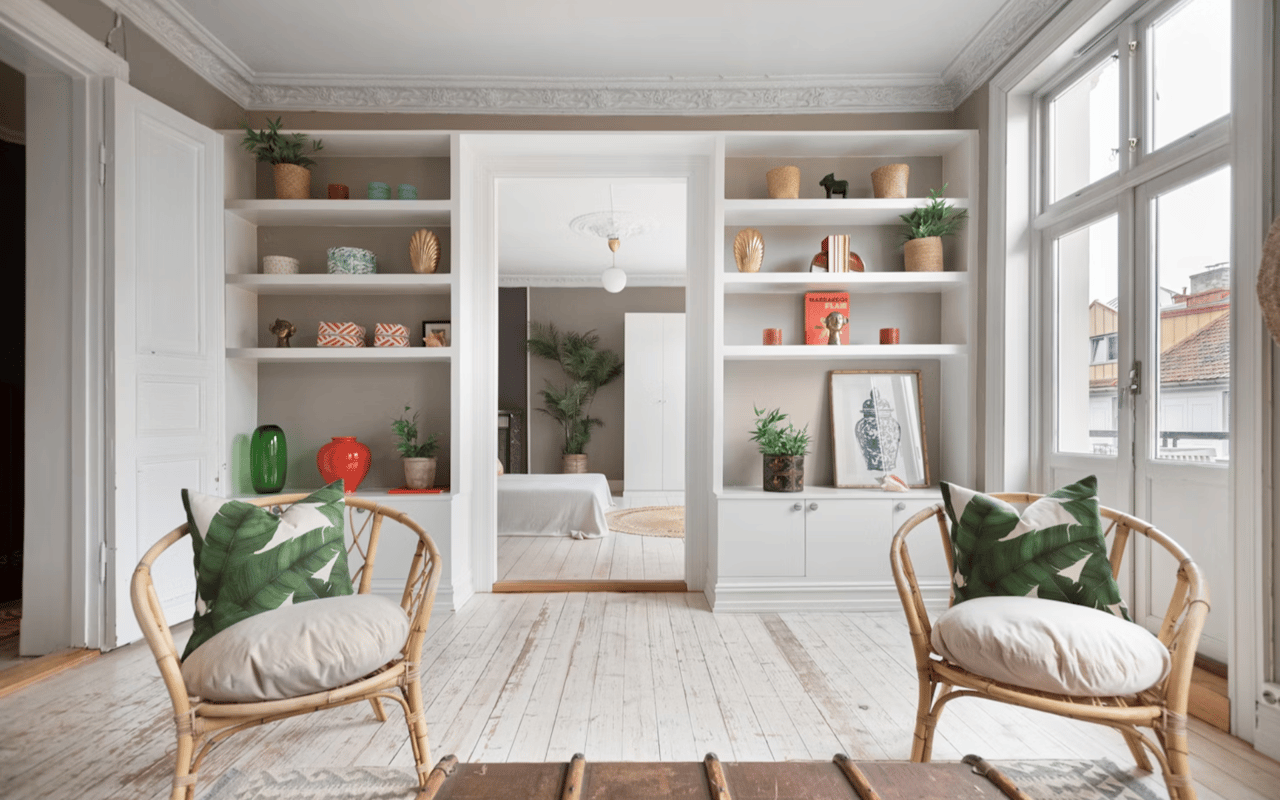
- Bookshelves and display surfaces, which look best when curated rather than crowded.
- Bathrooms, where a hotel-level of cleanliness and minimal personal products signal a well-cared-for home.
Lighting, Furniture, and the Art of Making Space Feel Larger
In Manhattan, square footage is precious. Buyers know it, and they're evaluating whether your home uses its space efficiently and gracefully. Lighting and furniture arrangement are two of the most powerful tools available for shaping that perception without costly renovations.
Natural light is the most coveted feature in any NYC residence. Before showings, ensure that all window treatments are open and that nothing is blocking the light sources. If your home receives limited natural light, layering artificial lighting is essential. Overhead fixtures, floor lamps, and accent lighting working together create warmth and depth that flatters a space in ways that a single overhead bulb never can.
Furniture scale and placement significantly affect how spacious a room feels. Oversized pieces in a smaller living room make the room feel cramped; appropriately scaled furniture with breathing room around it makes the same square footage feel generous. If your current furniture is working against your space, a professional stager can often supplement or replace key pieces to achieve the right balance. This investment tends to pay off in buyer perception and, ultimately, in offers.
Lighting and Layout Adjustments That Make a Real Difference
- Replacing dim or cool-toned bulbs with warm-white bulbs throughout the space.
- Removing or storing oversized furniture that crowds walking paths or blocks sight lines.
- Using mirrors strategically to reflect light and create the perception of greater depth.
- Keeping window treatments simple and light, opting for sheers or clean Roman shades over heavy drapes.
- Adding a statement light fixture in the dining area or entryway to create visual interest and architectural intention.
Professional Staging and Photography: Worth Every Dollar in NYC
Home staging in NYC has evolved from a luxury to a baseline expectation among serious sellers. In a market where buyers compare your listing to several others in real time, the visual quality of your presentation is a direct signal of how seriously you're approaching the sale. Professional staging and photography are the two investments with the most consistent, measurable returns.
A professional stager brings an objective eye to your space. They're not attached to the furniture you've lived with for years or the art you love; they're focused entirely on what will make buyers respond. Their work encompasses furniture arrangement, décor editing, accessory selection, and pieces that elevate the presentation without permanent change to your home.
Equally important is the photography that follows. Manhattan’s buyers often attend showings only for properties that have already impressed them online, so listing photos done by a professional real estate photographer — one who understands how to capture light, space, and flow — are doing the real work of attracting in-person interest. Skimping on photography is one of the most common and costly mistakes sellers make in this market.
What Professional Staging Typically Addresses
- Living room furniture arrangement and accent piece selection to maximize flow and visual appeal.
- Bedroom presentation, including bedding, pillows, and nightstand styling that suggest a lifestyle rather than a catalog.
- Kitchen and bathroom styling with simple, clean accessories that reinforce a move-in-ready feeling.
- Artwork and décor placement to create visual anchors and guide the eye through the space.
- Any cosmetic touch-ups, including fresh paint, hardware replacement, or minor repairs that a stager flags during their walkthrough.
FAQs
Is Home Staging Necessary for Selling a Home in Manhattan?
Staging is one of the highest-return preparations a Manhattan seller can make. In a market where buyers are comparing many listings and making fast decisions, a staged home photographs better, shows better, and typically generates stronger interest than an unstaged one. Even a partial staging approach, focusing on the key living areas, can meaningfully improve buyer response.
How Long Does It Take to Stage a Manhattan Home Before Listing?
The timeline varies depending on the size of your home and how much work needs to be done. A light staging effort focused on decluttering, furniture editing, and styling can often be accomplished in a few days. A fuller staging with professional stager involvement and any cosmetic updates typically takes one to two weeks. Planning ahead gives you the flexibility to do it right without rushing.
What's the Difference Between Staging and Decorating?
Decorating is a personal expression of your own taste and how you want to live in your space. Staging is a strategic presentation designed to appeal to the broadest possible pool of buyers. Proper staging tends to feel neutral and aspirational rather than specific to any single personality or lifestyle.
Your Manhattan Listing Deserves to Make a Statement
In a market that moves quickly, the window to capture a buyer's attention is brief. The properties that generate excitement, multiple showings, and competitive offers are rarely the ones with the highest price tag alone; they're the ones that make people feel something the moment they walk in. That feeling is the result of intentional preparation, and it's entirely within your control.
Staging your Manhattan home signals to buyers that this is a home worth taking seriously, and it signals to the market that you've approached the process with care. From the entry foyer to the finishing details in the primary bedroom, every element of your presentation shapes the story buyers will tell themselves about whether this is the one.
When you're ready to take the next step, I am here to guide you through every aspect of preparing and selling your Manhattan home, from staging strategy to pricing to closing. Reach out today to connect with me,
Carol Staab, and get started.