Understanding The Tribeca Luxury Micro-Market
If you look at Tribeca as one luxury market, you can miss what actually drives value. A riverfront condo, a cast-iron loft, and a full-service tower residence may all share the same neighborhood name, but they often attract different buyers, trade on different strengths, and respond differently to pricing. If you are buying or selling in Tribeca, understanding these micro-markets can help you read demand more clearly and make better decisions. Let’s dive in.
Tribeca remains one of downtown Manhattan’s most expensive neighborhoods. Recent market snapshots show a median sale price between $3.5 million and $3.9 million, with median days on market ranging from 60 to 77 days.
That combination matters. It tells you there is real demand at the luxury end, but it also shows that buyers are selective and timing is not automatic. With a 99.3% sale-to-list ratio and 49.4% of homes showing price drops, precision still matters.
A big reason is supply. Tribeca has an unusually protected built environment, with West, North, East, and South historic districts, plus the South Extension, all subject to Landmarks Preservation Commission review for many exterior changes, demolitions, reconstructions, and new construction.
That level of protection helps preserve the neighborhood’s architectural identity. It also limits how much authentic loft and warehouse-style inventory can be replaced or replicated, which is one reason certain properties hold long-term appeal.
The most useful way to understand Tribeca is to see it as a cluster of distinct luxury pockets. In broad terms, those are waterfront homes, classic loft conversions, and newer amenity-driven condo buildings.
Each pocket has its own buyer profile, value drivers, and pace of absorption. That is why two homes with similar square footage can have very different market stories.
Western Tribeca has some of the neighborhood’s rarest inventory. Buildings such as 67 Vestry and 70 Vestry represent a low-density, high-privacy segment where river views, terraces, and direct proximity to Hudson River Park shape value.
67 Vestry is described as a historic waterfront property with just 13 homes and unobstructed Hudson River views. 70 Vestry is a 46-residence condominium with Hudson River Park at its doorstep, more than 12,000 square feet of amenities, an 82-foot pool, and residences ranging from about 1,900 to more than 7,000 square feet.
This micro-market tends to appeal to buyers who want privacy, larger floor plans, and a more discreet full-service experience. In practical terms, you are paying not just for the apartment, but for rarity, water exposure, and a stronger sense of separation from the rest of downtown.
Hudson River Park is a major part of that premium. The park runs four miles along Manhattan’s west side and begins at the northern boundary of Battery Park City in Tribeca, giving western blocks direct access to riverfront open space, bike paths, and recreation.
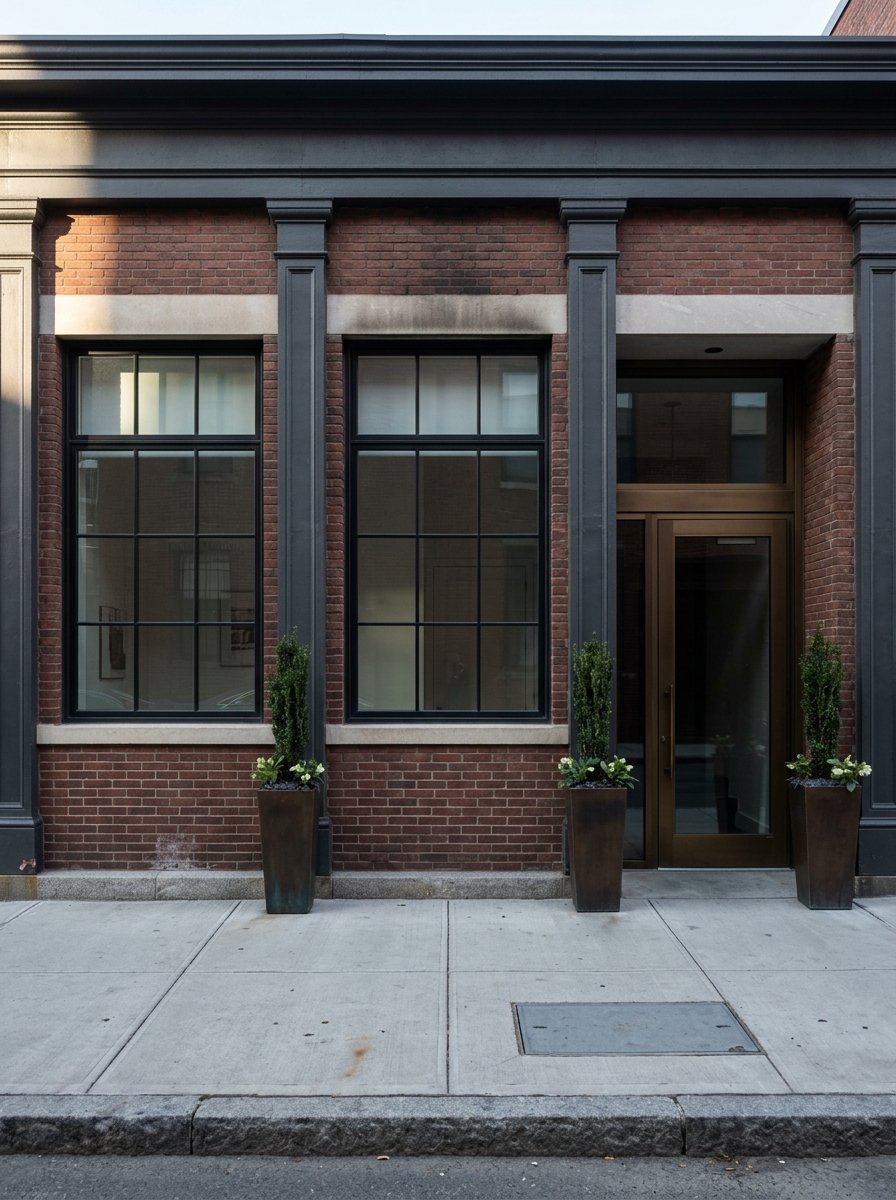
For many buyers, Tribeca means authentic loft living. This part of the market is built around former warehouses and store-and-loft buildings that offer volume, texture, and architectural character that newer development often cannot reproduce.
Examples include Tribeca Lofts at 79 Worth, which includes landmarked cast-iron buildings with 15-foot ceilings, Cast Iron House at 67 Franklin, and Cobblestone Loft at 28 Laight, a former 1891 warehouse later converted to condominiums. Sky Lofts at 145 Hudson adds a more design-forward version of the same category.
This is often the most emotionally driven pocket of the neighborhood. Buyers here tend to respond to ceiling height, natural light, original detailing, proportions, and the feeling of individuality that comes with a less standardized layout.
That said, loft inventory can also be less liquid when a home is too specific or priced too aggressively. Current listing histories in this category show that some units can sit for long periods, including examples at 183 days and even 510 days on market.
For sellers, that is an important lesson. Character alone does not guarantee speed. The renovation story, floor plan usability, and pricing strategy all need to align.
Tribeca’s newer condo stock is limited, but highly visible. These buildings tend to appeal to buyers who want turnkey systems, strong service, and a deep amenity package in a downtown setting.
111 Murray is a 64-story tower with 157 residences and more than 20,000 square feet of amenities, including a 75-foot lap pool, wellness spaces, and private entertaining rooms. 100 Barclay follows a similar full-service model in a converted landmark setting, with a pool, children’s playroom, doorman service, and a 156-unit residential profile.
This pocket often draws relocating households, executives, pied-à-terre buyers, and international purchasers who value convenience and operational ease. In these buildings, the brand of the building helps, but it does not erase line-by-line differences.
Days on market in this segment can vary widely within the same address. At 111 Murray, current listing histories range from 1 day to 289 days on market, while at 100 Barclay they range from 32 days to 217 days.
That spread is a useful reminder that tower living is still a micro-market inside a micro-market. Exposure, floor, layout, view, and asking price can change liquidity dramatically.
In Tribeca, long-term value is not just about square footage. It often comes from a mix of scarcity, architecture, location, and how well a residence matches what buyers in that specific pocket actually want.
The Landmarks Preservation Commission framework is designed to preserve buildings and districts with special historical and aesthetic character. In Tribeca, that creates a meaningful layer of supply control, especially for authentic loft buildings and historic conversions.
For buyers, this can support confidence in the neighborhood’s physical identity. For sellers, it can strengthen the value story when a home offers original character that would be difficult to recreate today.
Western Tribeca benefits from direct adjacency to Hudson River Park. That access creates a different day-to-day experience than inland blocks and can materially shape how buyers evaluate lifestyle, openness, and views.
In luxury real estate, those environmental and lifestyle differences often become pricing differences. A home with direct river exposure or immediate park access is not competing in quite the same lane as a similarly sized residence farther east.
Tribeca rewards disciplined pricing more than broad optimism. The current combination of a strong sale-to-list ratio and a high share of price drops suggests that buyers will still pay for quality, but they are not rewarding overreach.
That is especially true at the high end, where inventory can be more unique and comparison sets are less straightforward. Sellers who position correctly from day one are usually in a stronger place than those who hope the market will stretch to meet an aspirational ask.
Waterfront access adds value, but it also comes with practical considerations. Climate data for Tribeca shows a moderate flood risk, with 63% of properties at risk of severe flooding over the next 30 years.
That does not affect every block in the same way, but it is especially relevant for river-adjacent product. If you are buying on the west side, it is worth evaluating how a specific building addresses environmental exposure as part of your due diligence.
If you are buying in Tribeca, the first question is not simply whether you want to be in the neighborhood. It is which version of Tribeca best fits your priorities.
A useful framework is to focus on the trade-offs:
Once you know your lane, compare homes within that micro-market rather than across the entire neighborhood. That gives you a cleaner read on value and helps you avoid overpaying for features that do not matter to your goals.
If you are selling in Tribeca, your competition is narrower than it may seem. A loft seller is not really competing with every condo in the neighborhood, and a riverfront seller should not be positioned like a generic downtown listing.
The right strategy starts with identifying your real buyer pool and the features that drive action in your segment. In Tribeca, that usually means being very clear about layout, light, views, privacy, service level, and architectural relevance.
It also means avoiding weak pricing signals. In a market where nearly half of listings show price drops, the best result often comes from entering the market with a disciplined number and a strong narrative rather than chasing attention with repeated adjustments.
Tribeca is best understood as a set of luxury micro-markets, not one uniform neighborhood. The strongest long-term value often sits where protected architecture, practical layouts, natural light, views, service, and park access come together.
If you are buying, that perspective can help you narrow the field and evaluate value more intelligently. If you are selling, it can help you position your home against the right competition and tell a sharper story from the start.
In a neighborhood this nuanced, local luxury strategy matters. To discuss Tribeca positioning, pricing, or buying opportunities with a discreet Manhattan advisor, connect with Carol Staab.
Carol Staab has an innovative luxury real estate practice that provides an elite level of concierge service through unparalleled world-class marketing and a hands-on business approach. Her mission is to give her clients an exceptional experience while helping them achieve the best results possible.