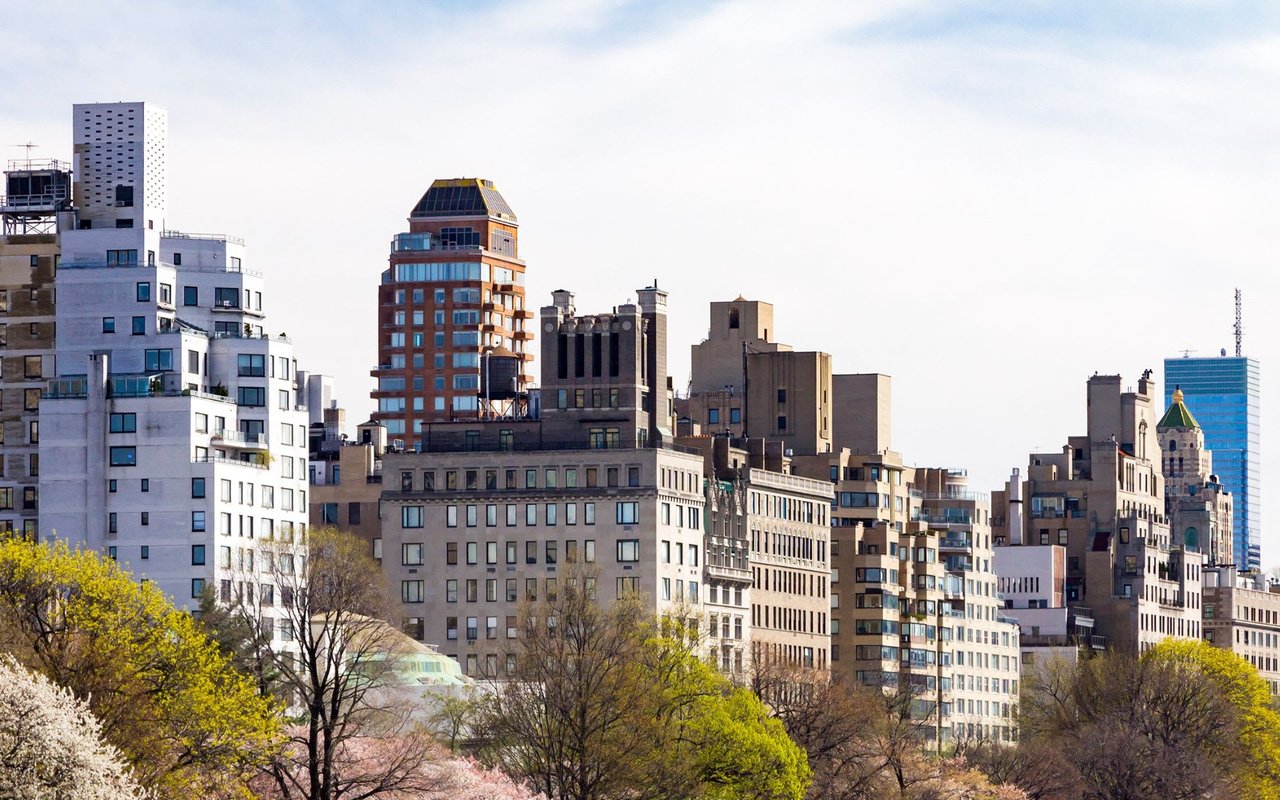
Explore Homes for Sale in Midtown Manhattan
This quintessentially posh urban hub is where most of NYC's stature lies. Midtown Manhattan's bustling center is extremely walkable.

This quintessentially posh urban hub is where most of NYC's stature lies. Midtown Manhattan's bustling center is extremely walkable.
315,772 people live in Midtown Manhattan, where the median age is 39 and the average individual income is $123,164. Data provided by the U.S. Census Bureau.
Total Population
Median Age
Population Density Population Density This is the number of people per square mile in a neighborhood.
Average individual Income
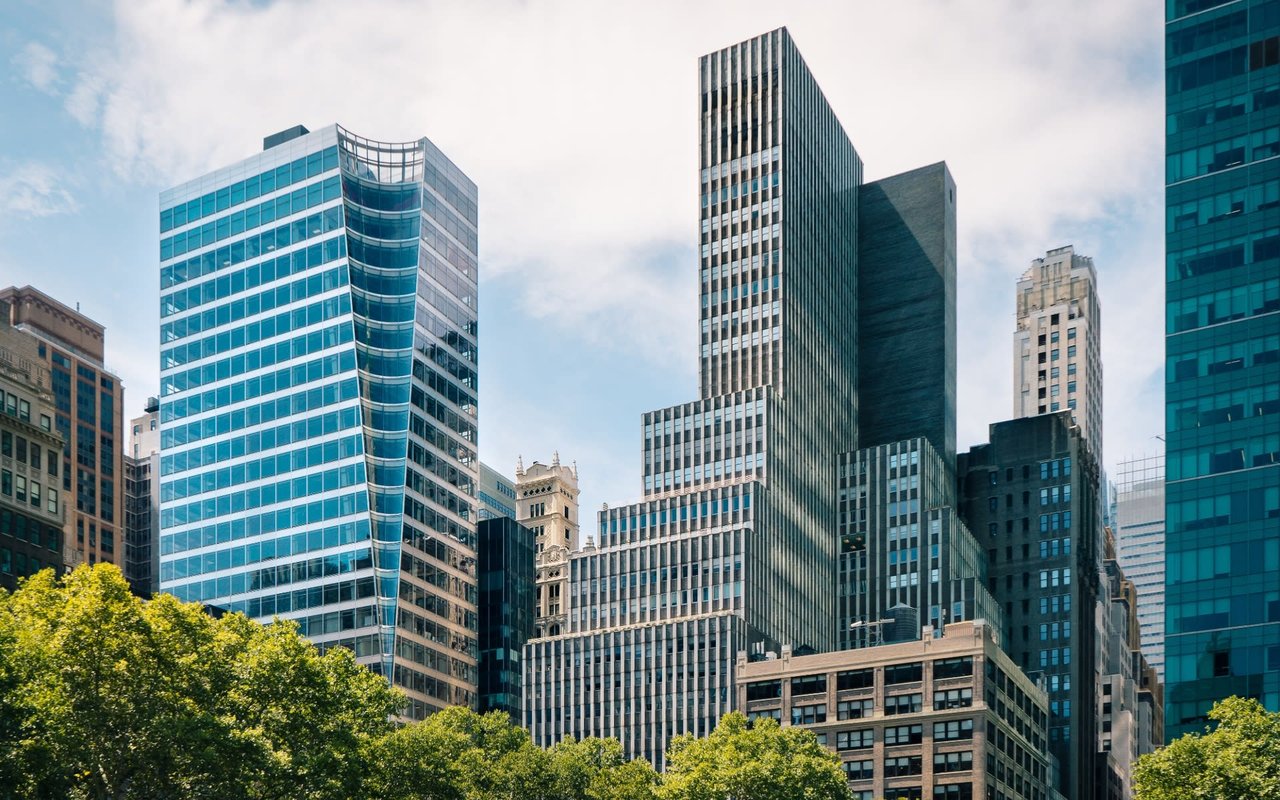
A bustling urban environment featuring iconic architecture
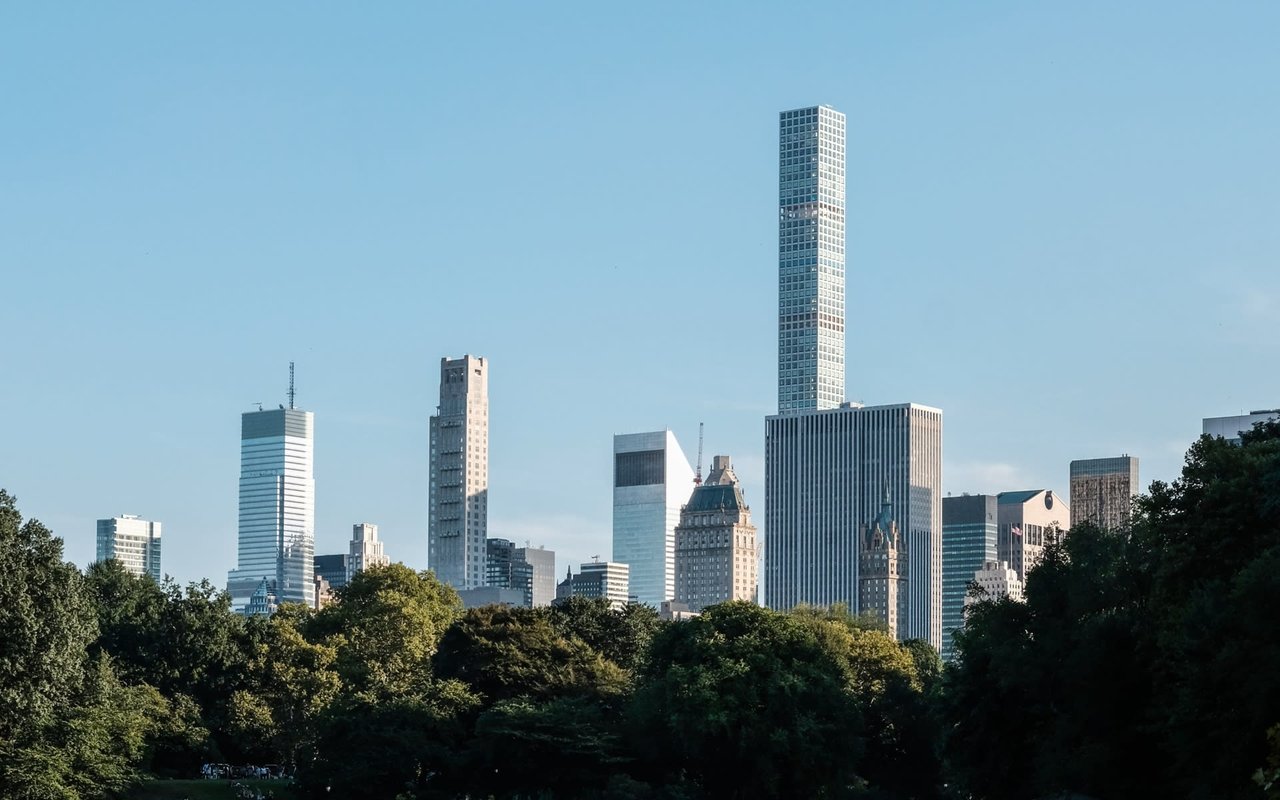
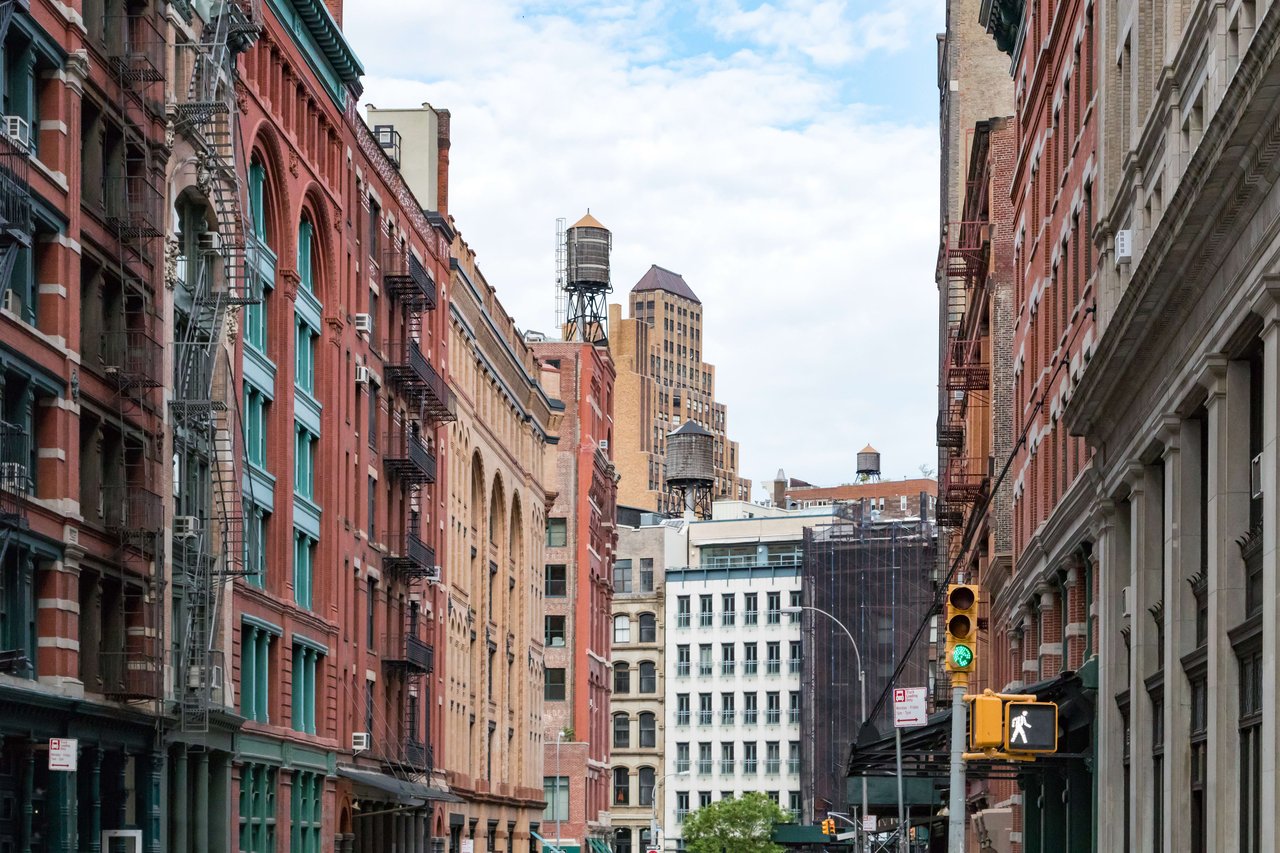
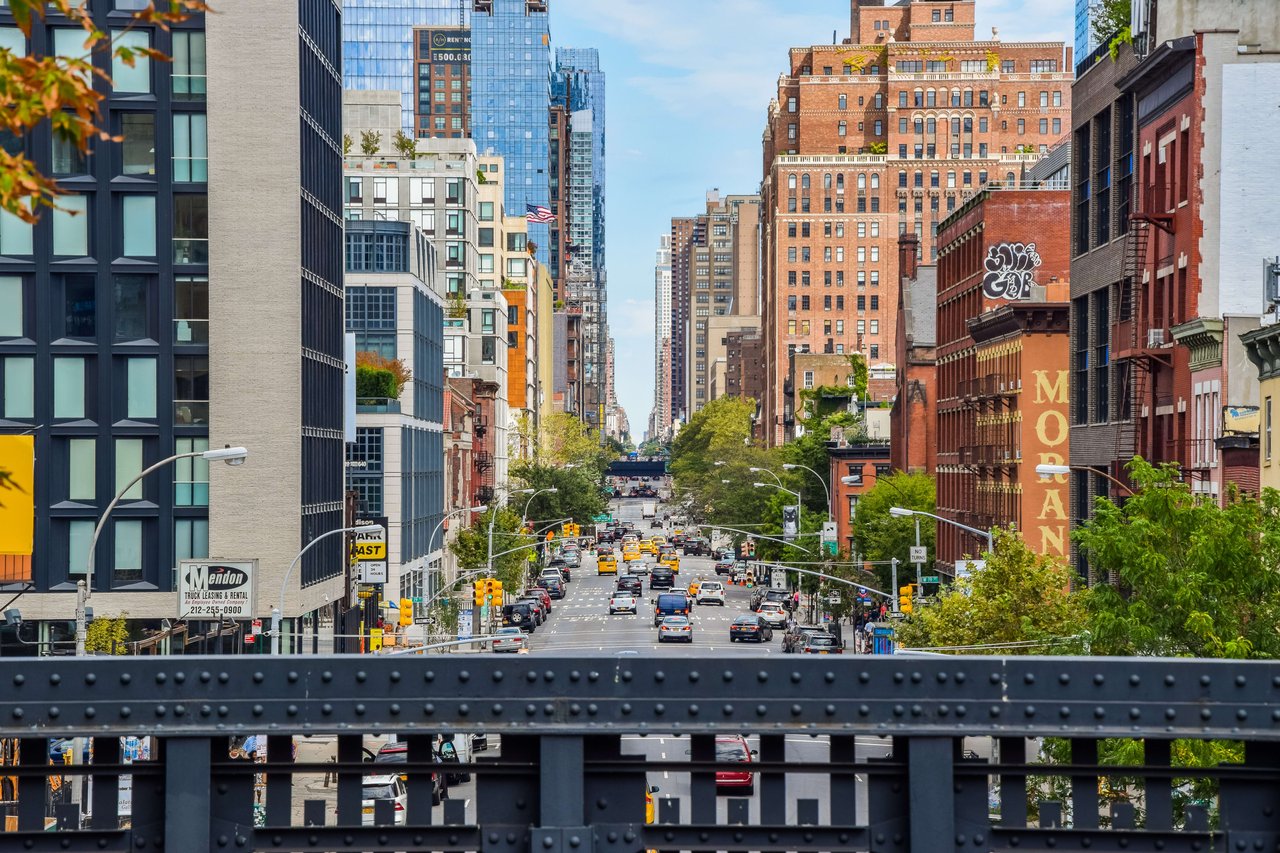
Midtown Manhattan is New York City's commercial and cultural epicenter, stretching roughly from 34th to 59th Streets between the Hudson and East Rivers. This high-energy district combines world-class business headquarters, iconic landmarks like Times Square and Rockefeller Center, and premier residential towers. The neighborhood pulses with constant activity—Broadway theaters, Fortune 500 offices, luxury shopping, and tourist attractions create an unmistakable urban intensity.
Residents accept premium prices for unparalleled convenience and prestige. Everything operates at maximum scale here: the tallest buildings, busiest intersections, most expensive retail. The vibe is sophisticated and fast-paced, attracting those who thrive on being at the center of global commerce and culture.
Midtown draws affluent professionals, particularly finance and media executives who value proximity to office towers. High-net-worth individuals purchase luxury condos as primary residences or pied-à-terres. Corporate relocations and international buyers make up significant portions of the market.
Empty nesters and retirees with substantial resources choose Midtown for cultural access—easy walks to Lincoln Center, MoMA, Carnegie Hall. Young professionals in consulting, law, and tech accept smaller spaces for the location. Second-home buyers use Midtown apartments for business trips and theater weekends.
Students are minimal given limited residential housing and sky-high costs. Families are rare—those who stay typically occupy larger units in white-glove buildings with strong school access.
Midtown Manhattan occupies central Manhattan Island between approximately 34th Street (Penn Station) and 59th Street (Central Park South), from river to river. The neighborhood sits roughly 5 miles north of Lower Manhattan and directly south of the Upper East and West Sides.
The terrain is entirely urban—no natural topography remains visible under dense vertical development. Midtown sits on bedrock schist, the geological foundation enabling skyscraper construction. The street grid follows Manhattan's numbered system with north-south avenues and east-west streets.
Climate is humid continental with hot summers (80s-90s°F), cold winters (20s-40s°F), and moderate spring/fall seasons. Buildings and concrete create urban heat island effects. The Hudson and East Rivers border the district but provide limited recreational waterfront access in Midtown proper.
Midtown Manhattan residential prices rank among the world's highest. Luxury condos command $2,000-$5,000+ per square foot, with ultra-luxury properties exceeding $6,000-$8,000/sq ft. One-bedrooms typically start $800k-$1.5M; two-bedrooms $1.5M-$4M; three-bedrooms $3M-$10M+. Penthouses and trophy units reach $20M-$100M+.
Inventory fluctuates with new development cycles. Days on market vary significantly by price point—well-priced units under $3M move faster; $10M+ properties can take 6-12+ months. The market favors buyers in economic downturns and sellers during strong financial markets.
Appreciation follows broader Manhattan luxury trends, with notable volatility. The segment saw significant gains 2010-2019, softened 2020-2021, then recovered selectively. Trophy properties and new developments see different appreciation patterns than older co-ops.
Foreign investment, corporate relocations, and stock market performance heavily influence market conditions. Luxury new developments add supply periodically, impacting pricing dynamics.
Midtown is overwhelmingly high-rise residential—condos and co-ops in buildings ranging from 20 to 90+ stories. Luxury condos dominate new construction with full-service amenities: concierge, doorman, fitness centers, pools, residents' lounges, and rooftop terraces.
Pre-war co-ops offer classic layouts with higher ceilings and architectural details, though with co-op board approval requirements. Post-war buildings provide modern layouts with less character. Sponsor units and new developments allow easier purchase processes than established co-ops.
Apartments range from studios (rare and expensive) to sprawling 4-5 bedroom units and full-floor residences. Penthouses feature private terraces and premium finishes. Layouts maximize space efficiency given per-square-foot costs.
Townhouses exist minimally in Midtown compared to surrounding neighborhoods—those available command $15M-$50M+. Single-family homes are essentially nonexistent.
Buying: Pre-approval is essential in this competitive market. Work with brokers specializing in luxury Manhattan real estate who know building reputations and board requirements. Co-ops require extensive financial documentation and board interviews—expect 3-6 month closing timelines. Condos close faster (60-90 days) with fewer restrictions.
All-cash offers strengthen negotiating position. Factor in monthly carrying costs: common charges ($1-$3/sq ft), property taxes ($1-$2+/sq ft for condos), and potential capital assessments. New developments may offer tax abatements (421-a) reducing costs initially.
Building financial health matters—review offering plans, reserve funds, and pending litigation. Flip taxes (co-op resale fees) can reach 2-3% of sale price.
Renting: Rentals range $3,500-$8,000+ for one-bedrooms; $5,000-$15,000+ for two-bedrooms; $8,000-$30,000+ for three-bedrooms. Luxury doorman buildings command premiums. Landlords require good credit (680+), income verification (40-50x monthly rent), and typically first month, last month, and security deposit.
Guarantors or additional deposits may substitute for income requirements. No-fee and fee apartments both exist—tenant-paid broker fees typically equal 12-15% of annual rent. Lease terms are usually 12 months with rent-stabilized units rare in luxury buildings.
Establish local banking and get a US credit card immediately—co-ops and landlords scrutinize financial history. If relocating internationally, work with relocation specialists familiar with foreign buyer processes.
Storage is expensive but necessary—most apartments lack basement or attic space. Plan furniture carefully; large pieces often don't fit building elevators or apartment doorways.
Move-in requires building approval—reserve elevators days/weeks ahead and coordinate with building management. Most buildings charge move-in deposits ($500-$2,000 refundable).
Register for parking immediately if keeping a car—monthly garage rates run $400-$800+. However, most residents don't own vehicles given public transit and traffic.
Get familiar with neighborhood services fast: preferred dry cleaners, grocery delivery (FreshDirect, Amazon Fresh), local pharmacy. Join building social media groups or apps (Nextdoor) for vendor recommendations.
Midtown offers every cuisine and price point imaginable. Michelin-starred restaurants cluster around West Midtown (Gabriel Kreuther, Le Bernardin, Eleven Madison Park nearby). Restaurant Row (46th Street) provides pre-theater dining. Koreatown (32nd Street) concentrates Korean BBQ and late-night spots.
Power lunch institutions serve finance and media executives—The Grill, The Pool, Smith & Wollensky, Quality Meats. Hotel restaurants in the Plaza, Peninsula, and St. Regis cater to luxury tastes.
Broadway theaters dominate entertainment with 40+ venues presenting long-running shows and limited runs. Lincoln Center (Midtown border) hosts Metropolitan Opera, New York Philharmonic, and NYC Ballet. Carnegie Hall and Radio City Music Hall provide concert venues.
Jazz clubs (Birdland, Dizzy's Club), comedy venues (Carolines on Broadway), and live music spaces supplement theater offerings. Rooftop bars in the Press Lounge and 230 Fifth provide seasonal outdoor drinking with skyline views.
Midtown is Manhattan's premier shopping district. Fifth Avenue from 49th-59th Streets concentrates flagship luxury retail: Cartier, Tiffany & Co., Bergdorf Goodman, Saks Fifth Avenue. Madison Avenue extends luxury shopping north into the Upper East Side.
Times Square and Herald Square provide mass-market retail—H&M, Uniqlo, flagship Gap and Old Navy. Macy's Herald Square remains the world's largest department store.
Rockefeller Center and Hudson Yards house upscale mall-style shopping. Columbus Circle's Time Warner Center (The Shops at Columbus Circle) offers Whole Foods and luxury boutiques.
Grocery options include Whole Foods (multiple locations), Trader Joe's, Fairway, and D'Agostino. Gourmet markets like Citarella and Dean & DeLuca serve high-end shoppers. Most residents use delivery services (FreshDirect, Amazon Fresh, Instacart).
Specialty shopping includes B&H Photo (34th St), the Diamond District (47th St between 5th and 6th Avenues), and Bryant Park's seasonal holiday market.
Central Park (59th Street north) provides Midtown residents' primary green space with 843 acres of meadows, trails, playgrounds, and athletic facilities. The southern sections nearest Midtown see heaviest use.
Bryant Park (40th-42nd Streets, 5th-6th Avenues) offers 9.6 acres with seasonal activities: winter ice skating, summer movie nights, restaurant kiosks, and free WiFi. The park hosts office workers during lunch and evening events.
Hudson River Park's Midtown sections provide waterfront access with bike paths, piers, and recreational facilities. The High Line (elevated park) begins in Chelsea just south of Midtown.
Recreation options include private gyms (Equinox multiple locations, Lifetime Athletic, NYSportsClub), hotel fitness centers, and building amenities. Public tennis courts exist in Central Park. Golf requires trips to outer boroughs or suburbs.
The East River waterfront offers less recreational development than the Hudson side but includes the UN headquarters grounds (restricted access).
Midtown culture centers on corporate achievement, performing arts, and global commerce. The neighborhood embodies New York's international business identity—suited executives, power lunches, after-work networking events.
Broadway theater culture defines evenings with pre-show dining, post-show bars, and stage door autograph rituals. Opening nights and theater industry events create social calendars.
Tourist culture permeates Times Square and major attractions, creating love-it-or-hate-it dynamics for residents. Those who choose Midtown typically embrace or ignore the crowds rather than resent them.
Midtown lacks the neighborhood intimacy of residential areas—community forms more through buildings, professional networks, and cultural institutions than street-level interactions. Residents value anonymity and convenience over tight-knit community bonds.
Seasonal traditions include Rockefeller Center Christmas tree lighting, New Year's Eve in Times Square (avoided by most locals), Macy's Thanksgiving Day Parade, and Bryant Park winter village.
Midtown has limited public school options, reflecting its commercial character. Families typically attend schools in surrounding neighborhoods or choose private education.
Public schools serving Midtown include PS 59 (East Midtown) and PS 111 (Hell's Kitchen border). Specialized high schools like LaGuardia High School for Music & Art and Performing Arts serve citywide populations. Families research school zones carefully—zones shift frequently.
Private and independent schools accessible from Midtown include Marymount School, Loyola School, Ramaz School, Convent of the Sacred Heart, and Trinity School. Elite private schools are highly competitive with tuition $50k-$60k+ annually.
Preschools and early childhood programs exist but are competitive and expensive ($25k-$40k+). Religious preschools (Catholic, Jewish) provide some options.
Universities in or near Midtown include Fordham University Lincoln Center campus, New York University (Greenwich Village, accessible), and Columbia University (Upper West Side, 20-30 minutes north).
The limited school options contribute to Midtown's low family population—those with school-age children often relocate to family-focused neighborhoods or suburbs.
Midtown provides New York's best transit access. Penn Station (34th St) connects Long Island Rail Road, NJ Transit, and Amtrak. Grand Central Terminal (42nd St) serves Metro-North commuter rail to Westchester, Connecticut, and upstate New York.
Subway access is exceptional: 1/2/3, A/C/E, N/Q/R/W, B/D/F/M, 4/5/6, and 7 trains all run through Midtown with stations every few blocks. Crosstown buses (M42, M34, M23) supplement north-south subway lines.
Commutes to Lower Manhattan (Financial District) take 15-25 minutes by subway. JFK Airport requires 60-90 minutes via LIRR or taxi; LaGuardia 30-45 minutes by taxi/Uber. Newark Airport connects via NJ Transit from Penn Station (45-60 minutes).
Walking is practical for many daily needs given density. Bike infrastructure is developing but faces heavy traffic. Most residents don't own cars—street parking is nearly impossible and garage rates run $400-$800+ monthly.
Highways accessible via tunnels and bridges include FDR Drive (east), West Side Highway (west), Lincoln Tunnel (New Jersey), Queens-Midtown Tunnel (Queens), and various bridges north to the Bronx.
Residents embrace living at the absolute center of global business and culture. The concentration of opportunity—career networking, world-class dining, Broadway shows, luxury shopping—justifies premium costs for those who maximize the lifestyle.
The "never have to leave Midtown" convenience appeals to busy professionals: office, gym, dinner, entertainment all within blocks. International travel through Penn Station and airport connections simplifies business and leisure trips.
Central Park access from northern Midtown provides essential green space while maintaining urban intensity. The ability to walk to Lincoln Center, MoMA, Carnegie Hall, and countless cultural venues creates unmatched lifestyle richness.
For empty nesters and retirees, Midtown offers complete-service luxury living—doormen, concierge, building amenities eliminate maintenance concerns. Building social scenes and cultural access replace suburban community.
The neighborhood's 24/7 energy attracts those who thrive on constant stimulation. There's always something happening, always somewhere open, always people around. For the right personality, this intensity is exhilarating rather than exhausting—and that's exactly who chooses Midtown Manhattan.
There's plenty to do around Midtown Manhattan, including shopping, dining, nightlife, parks, and more. Data provided by Walk Score and Yelp.
Explore popular things to do in the area, including Metro One, New York Clothing, and Knights of Round Table.
| Name | Category | Distance | Reviews |
Ratings by
Yelp
|
|---|---|---|---|---|
| Shopping | 0.07 miles | 0 reviews | 0/5 stars | |
| Shopping | 0.08 miles | 0 reviews | 0/5 stars | |
| Shopping | 0.08 miles | 0 reviews | 0/5 stars | |
| Shopping | 0.08 miles | 0 reviews | 0/5 stars | |
| Shopping | 0.09 miles | 0 reviews | 0/5 stars | |
| Shopping | 0.1 miles | 0 reviews | 0/5 stars | |
| Shopping | 0.14 miles | 0 reviews | 0/5 stars | |
| Shopping | 0.14 miles | 0 reviews | 0/5 stars | |
| Shopping | 0.15 miles | 0 reviews | 0/5 stars | |
| Shopping | 0.16 miles | 0 reviews | 0/5 stars | |
| Shopping | 0.17 miles | 0 reviews | 0/5 stars | |
| Shopping | 0.19 miles | 0 reviews | 0/5 stars | |
| Shopping | 0.19 miles | 1 review | 1/5 stars | |
| Shopping | 0.2 miles | 0 reviews | 0/5 stars | |
| Shopping | 0.22 miles | 0 reviews | 0/5 stars | |
| Active | 0.09 miles | 1 review | 5/5 stars | |
| Active | 0.17 miles | 1 review | 5/5 stars | |
| Nightlife | 0.22 miles | 0 reviews | 0/5 stars | |
| Beauty | 0.12 miles | 0 reviews | 0/5 stars | |
| Beauty | 0.12 miles | 52 reviews | 2.7/5 stars | |
| Beauty | 0.16 miles | 0 reviews | 0/5 stars | |
| Beauty | 0.17 miles | 0 reviews | 0/5 stars | |
| Beauty | 0.18 miles | 0 reviews | 0/5 stars | |
| Beauty | 0.21 miles | 1 review | 1/5 stars | |
|
|
||||
|
|
||||
|
|
||||
|
|
||||
|
|
||||
|
|
Midtown Manhattan has 177,439 households, with an average household size of 2. Data provided by the U.S. Census Bureau. Here’s what the people living in Midtown Manhattan do for work — and how long it takes them to get there. Data provided by the U.S. Census Bureau. 315,772 people call Midtown Manhattan home. The population density is 101,990 and the largest age group is Data provided by the U.S. Census Bureau.
Total Population
Population Density Population Density This is the number of people per square mile in a neighborhood.
Median Age
Men vs Women
Population by Age Group
0-9 Years
10-17 Years
18-24 Years
25-64 Years
65-74 Years
75+ Years
Education Level
Total Households
Average Household Size
Average individual Income
Households with Children
With Children:
Without Children:
Marital Status
Blue vs White Collar Workers
Blue Collar:
White Collar:
August 27, 2026

Carol Staab | August 26, 2026
Green Space Becomes the Ultimate Manhattan Luxury: How Outdoor Gardens and Rooftops Shape Life in Manhattan Homes.
Pulse
Carol Staab | August 24, 2026
August 20, 2026
Pulse
Carol Staab | August 18, 2026
Pulse
Carol Staab | August 9, 2026
August 13, 2026
Carol Staab | August 10, 2026
A Loose Outline of How You Might Spend a Day Here.

Carol Staab | August 10, 2026
Simple Color Choices That Reshape How Your Space Feels.
August 6, 2026

August 6, 2026

Carol Staab | August 5, 2026
Design a Reading Retreat That Fits Your Manhattan Home.
Pulse
Carol Staab | July 24, 2026
Carol Staab | July 23, 2026
Manhattanites Have a Special Relationship with Space and Time.

Carol Staab | October 4, 2024
Discover the excitement.
July 23, 2026
Carol Staab | May 5, 2025
Scouring Manhattan’s cafes, from corner shops to well-known chains.
July 16, 2026
July 9, 2026
Carol Staab | July 8, 2026
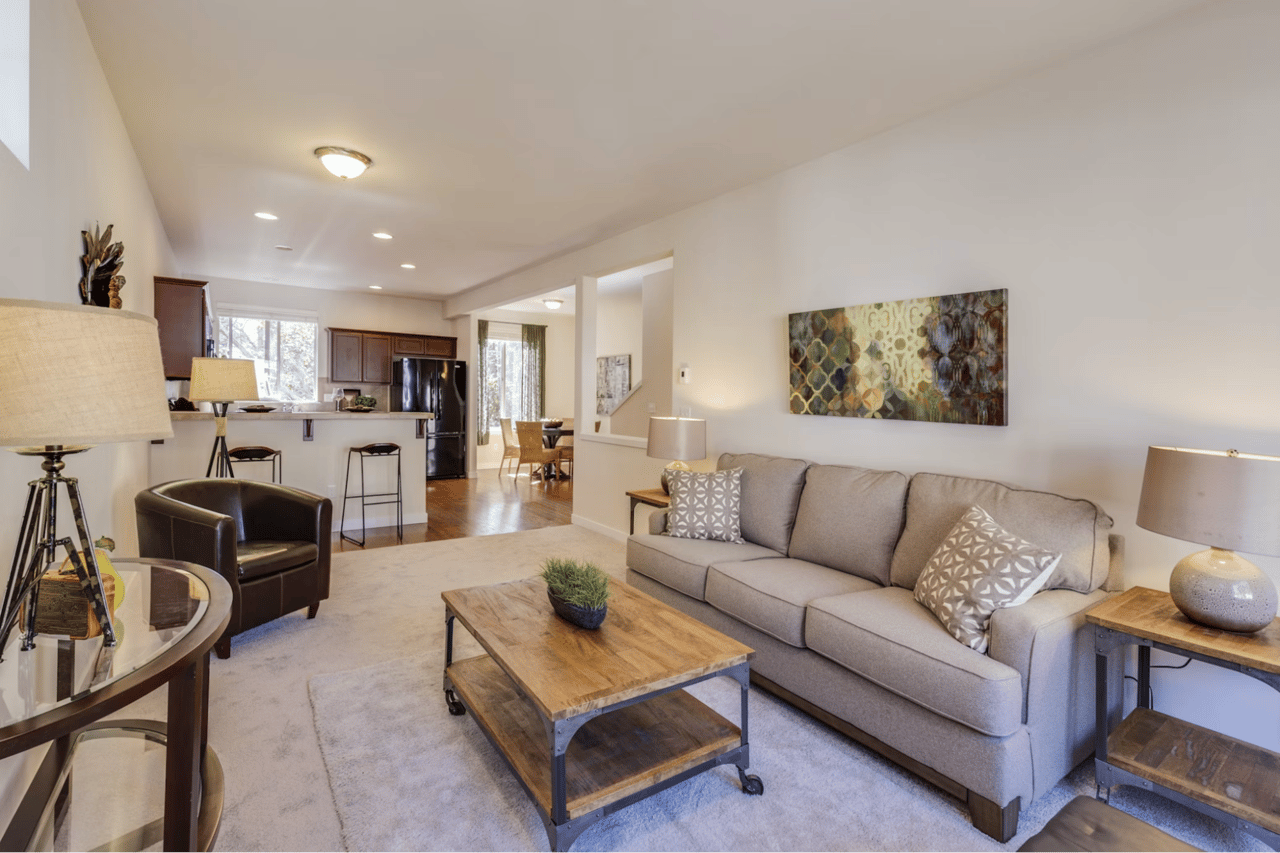
Your Insider Guide to Buying One of New York City's Most Coveted Properties.

Carol Staab | July 8, 2026
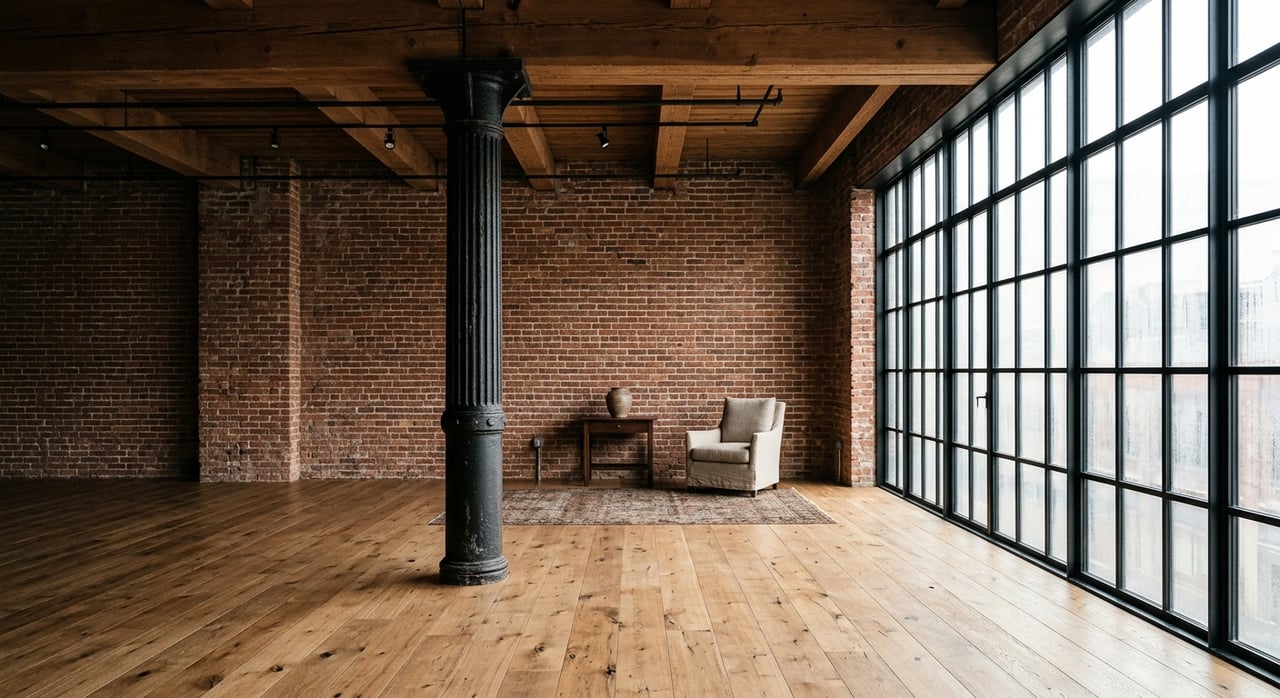
Preserving the Past While Living in the Present.
Pulse
Carol Staab | July 8, 2026

Carol Staab | May 5, 2025
Accomplish your fitness goals efficiently at a Manhattan gym near you.
July 2, 2026
Pulse
Carol Staab | July 1, 2026
Carol Staab | May 5, 2025
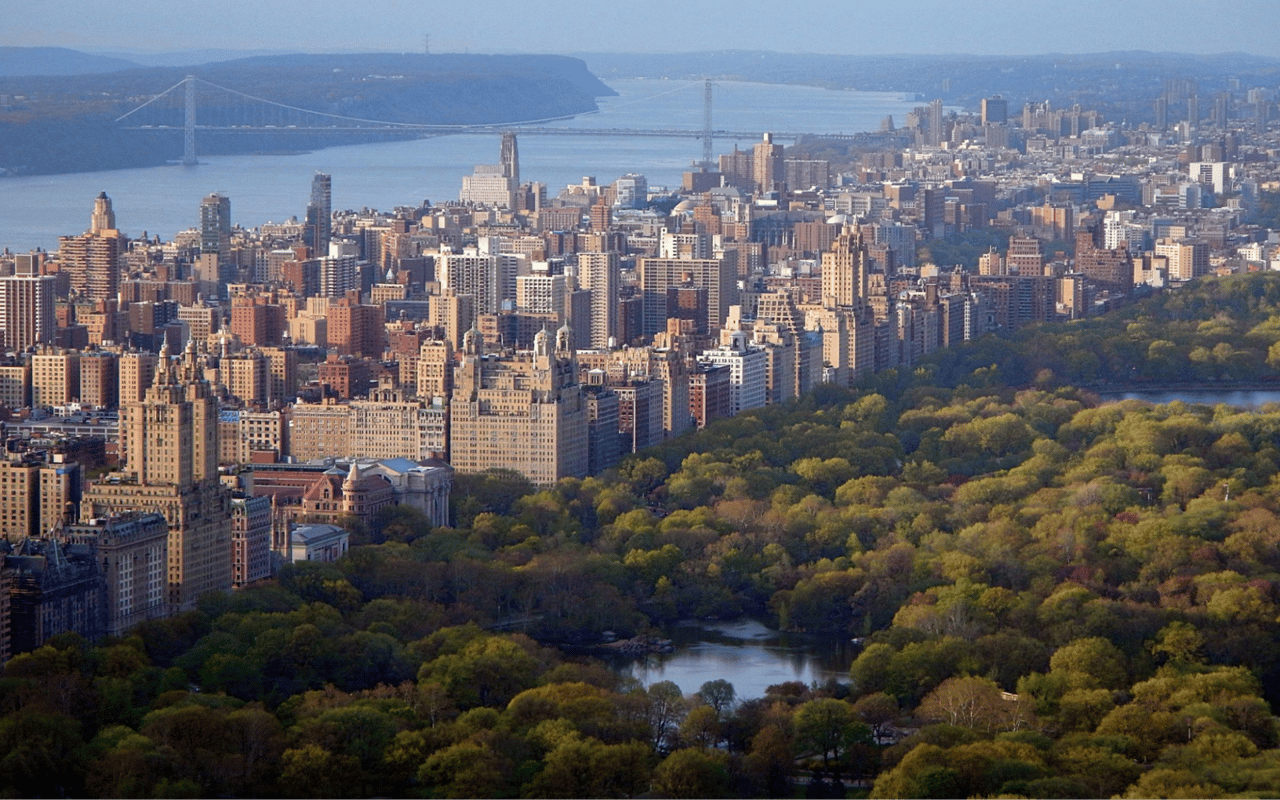
Delve into nine of Manhattan’s world-class residential areas.
June 25, 2026

Carol Staab | April 16, 2024
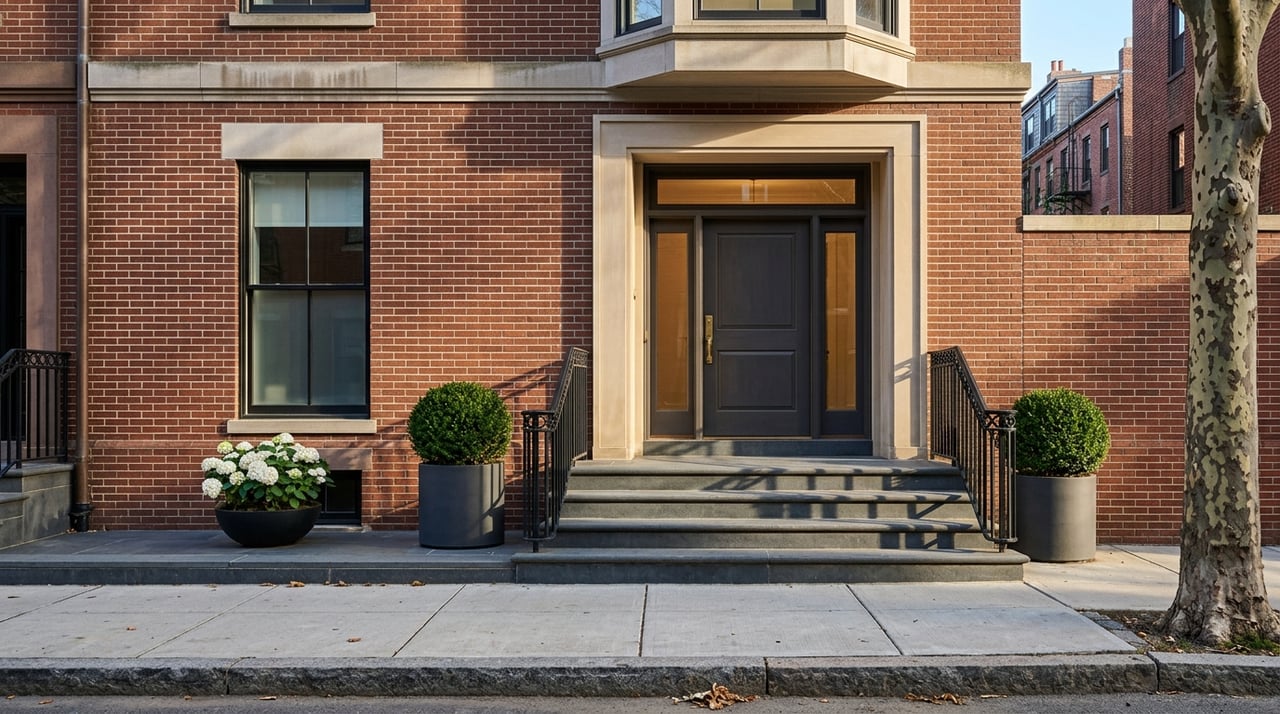
Where you should go when you feel the need for retail therapy.
Pulse
Carol Staab | June 15, 2026
June 18, 2026
Pulse
Carol Staab | June 11, 2026
June 11, 2026
June 4, 2026

Carol Staab | October 4, 2024
Planning your timeline effectively.
Pulse
Carol Staab | May 29, 2026
May 28, 2026
May 21, 2026
Pulse
May 18, 2026
Pulse
Carol Staab | April 30, 2026

Carol Staab | April 17, 2024
‘80s throwback design and natural materials are just two exciting trends to try out in your New York City home.

Carol Staab | October 30, 2024
Experience the melting pot of structural design in Manhattan.
May 14, 2026

Blog
Carol Staab | May 8, 2026
Setting the Stage for a Faster, More Profitable Sale.
Pulse
Carol Staab | April 30, 2026

Pulse
Carol Staab | March 31, 2026
Pulse
Carol Staab | March 23, 2026

Pulse
Carol Staab | February 19, 2026
Pulse
Carol Staab | February 11, 2026
Pulse
Carol Staab | September 3, 2025

Pulse
Carol Staab | September 15, 2025
Pulse
Carol Staab | September 25, 2025
Carol Staab | April 17, 2024
Read on to learn more about creating a compelling space in preparation to sell.
Carol Staab | October 4, 2024
The strategic tips for your success.

Carol Staab | April 17, 2024
Plan for your retirement with sound real estate and financial choices today.

Carol Staab | October 4, 2024
A Culinary Journey Through Manhattan's Finest Dining Establishments.

Pulse
Carol Staab | September 9, 2025
Pulse
Carol Staab | August 27, 2025
Pulse
Carol Staab | July 29, 2025
Pulse
Carol Staab | August 2, 2025
Pulse
Carol Staab | August 17, 2025
Pulse
Carol Staab | August 10, 2025
Pulse
Carol Staab | July 7, 2025
Pulse
Carol Staab | June 16, 2025

Pulse
Carol Staab | June 18, 2025

Pulse
Carol Staab | June 10, 2025
Pulse
Carol Staab | June 3, 2025
Pulse
Carol Staab | May 14, 2025

Pulse
Carol Staab | May 28, 2025
Pulse
Carol Staab | May 8, 2025

Carol Staab | May 5, 2025
Manhattan’s real estate market offers high potential, but smart investing requires solid strategy, research, and the right connections.
Carol Staab | May 5, 2025
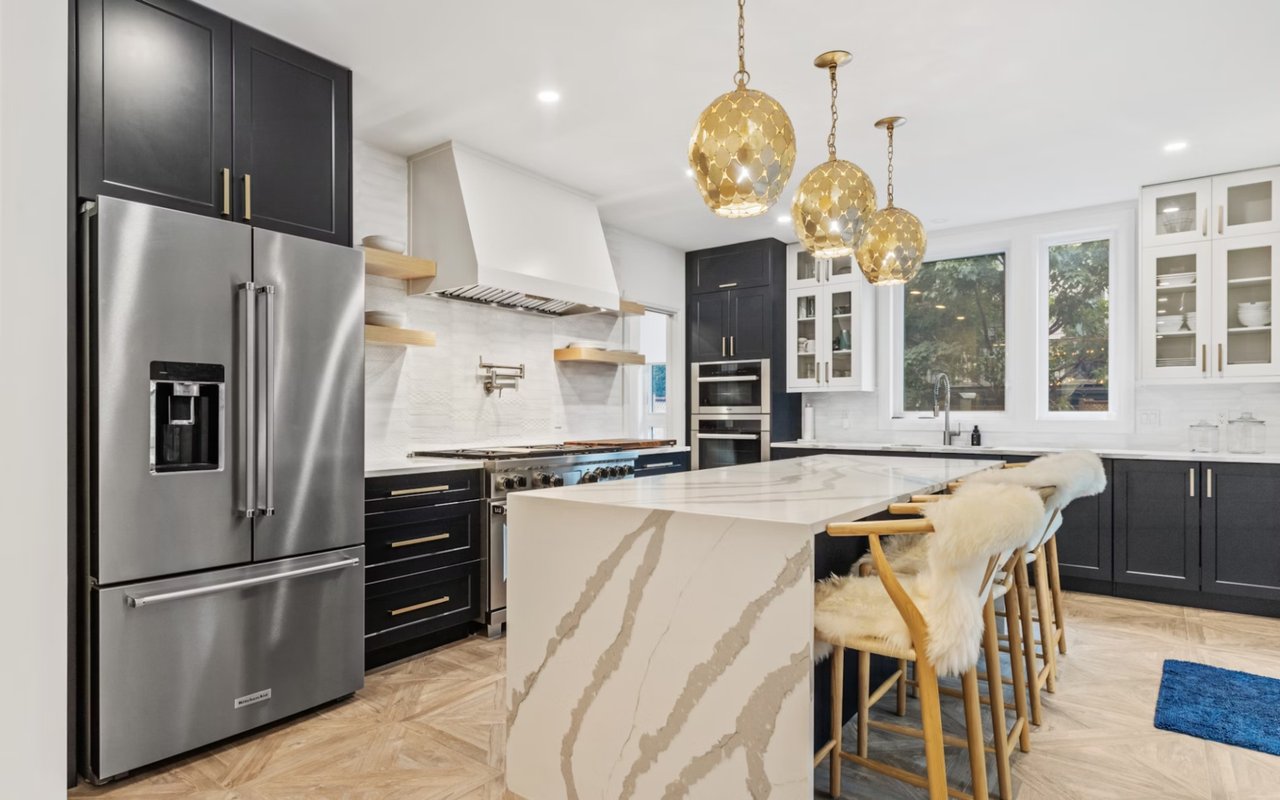
Transform your Manhattan home into a space that blends style and function effortlessly.
Carol Staab | May 5, 2025
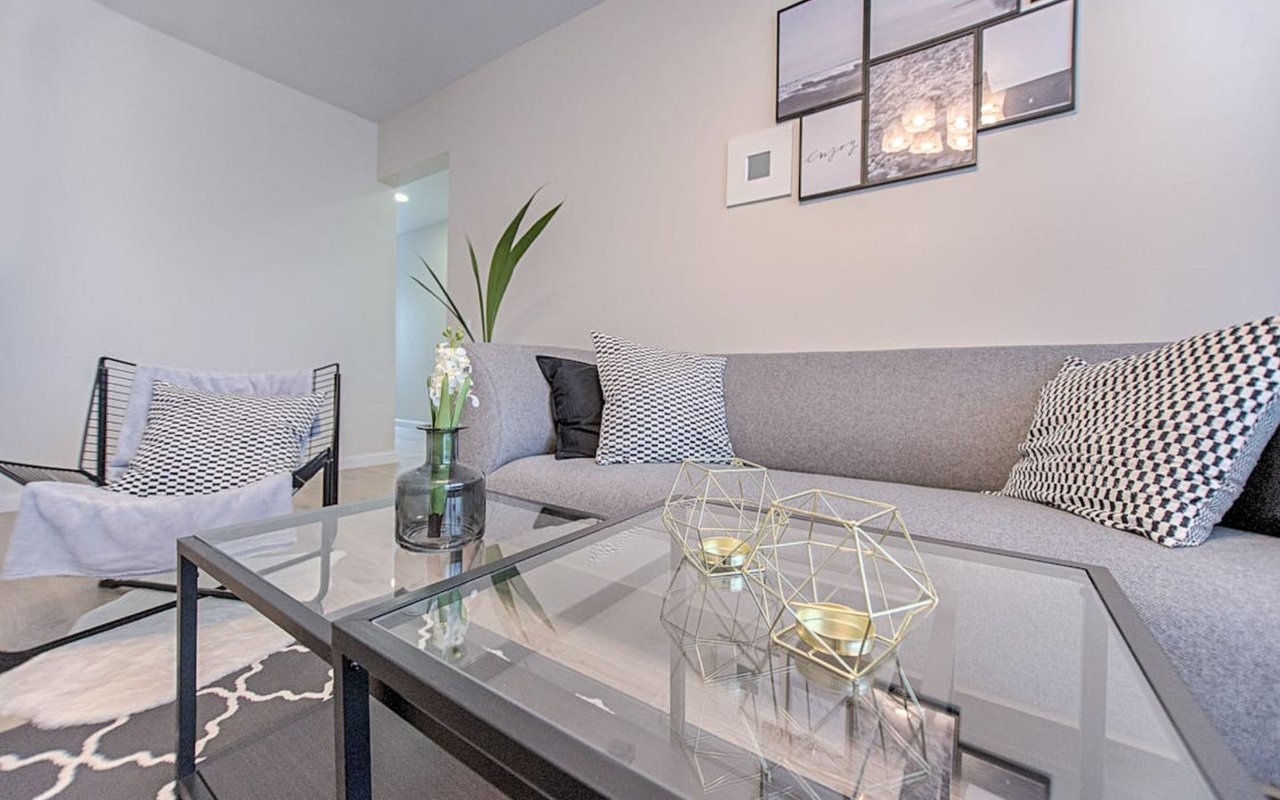
Your next chapter awaits.
Carol Staab | May 5, 2025
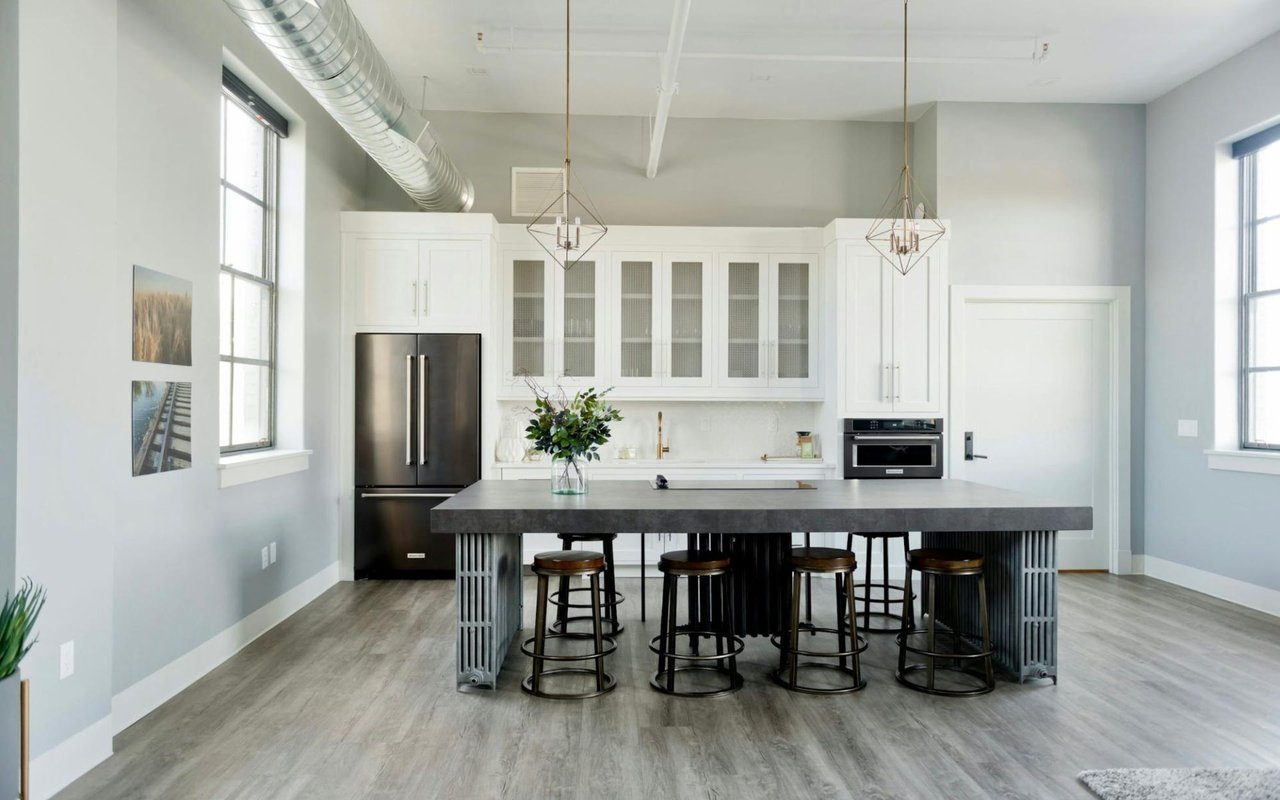
2025 is your chance to reimagine luxury living in Manhattan. What will your dream space look like?
Carol Staab | May 5, 2025
Your dream Manhattan home awaits.

Carol Staab | May 5, 2025
Winter in Manhattan is just the beginning of your adventure — get ready to embrace the magic.

Carol Staab | May 5, 2025
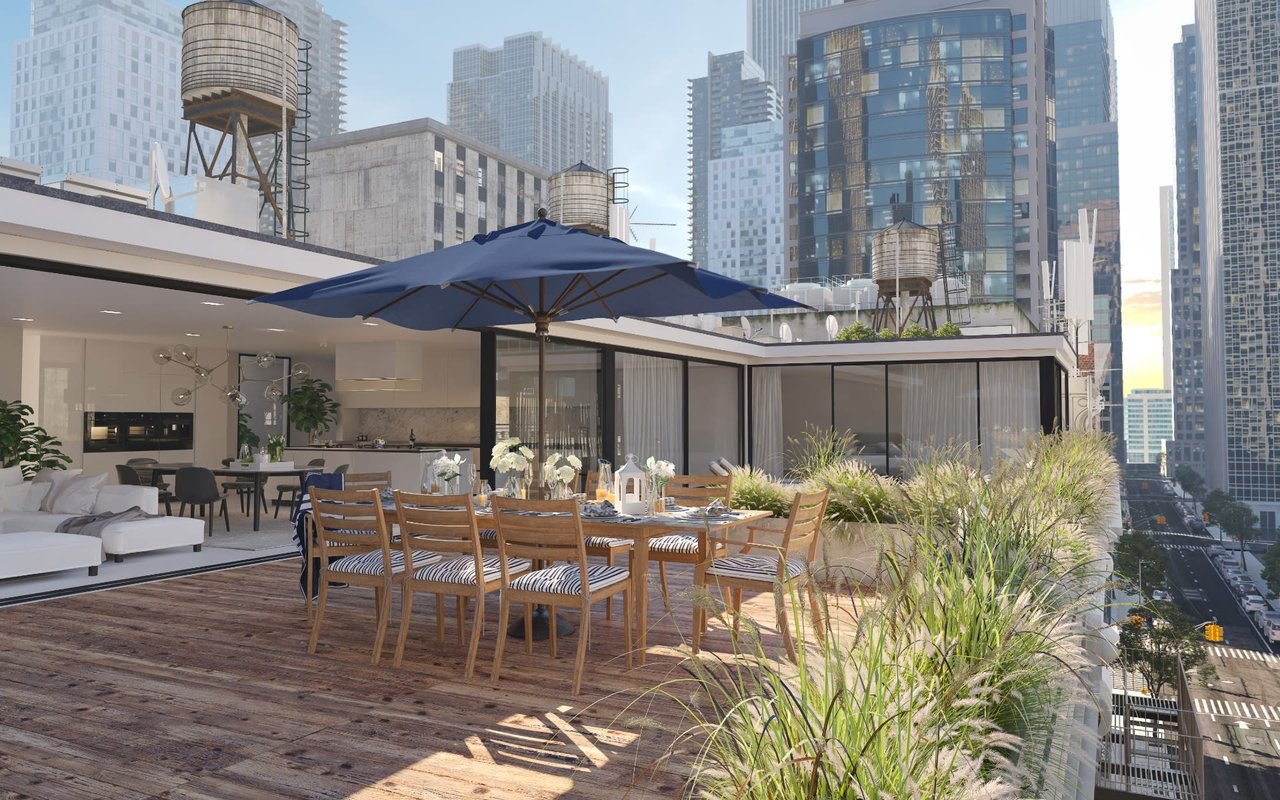
Breathe easier and live better in your Manhattan home by making air quality a top priority.
Pulse
Carol Staab | April 2, 2025

Pulse
Carol Staab | February 18, 2025

Pulse
Carol Staab | December 30, 2024

Pulse
Carol Staab | December 23, 2024
Pulse
Carol Staab | December 18, 2024

Pulse
Carol Staab | December 10, 2024
Pulse
Carol Staab | December 3, 2024

Pulse
Carol Staab | November 26, 2024
Pulse
Carol Staab | November 20, 2024
Pulse
Carol Staab | November 12, 2024
Pulse
Carol Staab | November 5, 2024

Carol Staab | October 30, 2024
Elevate your Manhattan condo with thoughtful upgrades that blend style, function, and urban sophistication.
Carol Staab | October 30, 2024
Achieve homeownership in the West Village with confidence.

Carol Staab | October 30, 2024
Elevate your living experience with a high-rise condo in Manhattan.

Carol Staab | October 30, 2024
Helping you achieve success.
Carol Staab | October 30, 2024
A comprehensive guide to finding the right fit.

Carol Staab | October 30, 2024
Making Moves Manageable: Smart Strategies for a Smoother Transition.

Carol Staab | October 30, 2024
Make Manhattan your next adventure.

Pulse
Carol Staab | October 29, 2024
Pulse
Carol Staab | October 22, 2024

Pulse
Carol Staab | October 18, 2024
Pulse
Carol Staab | October 8, 2024
Carol Staab | October 4, 2024
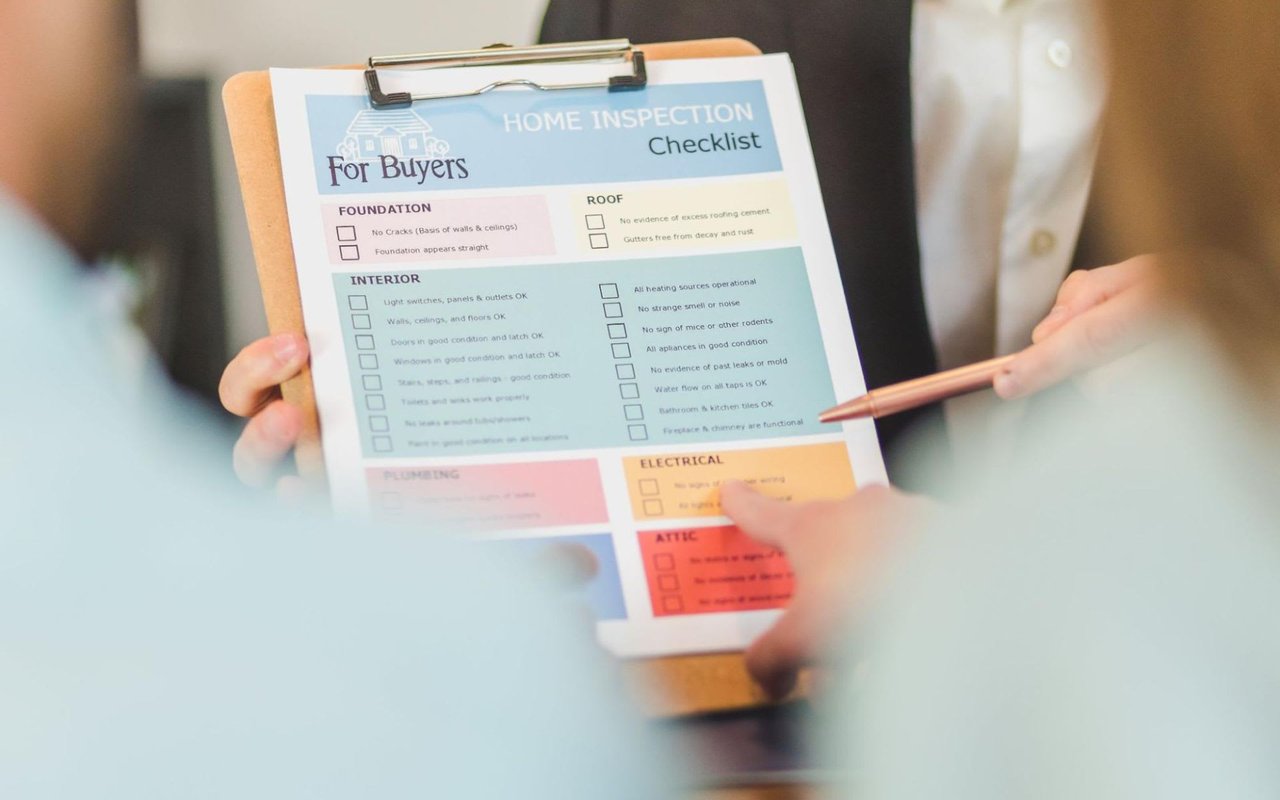
Navigating this important step.

Carol Staab | October 4, 2024
Crafting your dream space with a professional.
Carol Staab has an innovative luxury real estate practice that provides an elite level of concierge service through unparalleled world-class marketing and a hands-on business approach. Her mission is to give her clients an exceptional experience while helping them achieve the best results possible.