SoHo, NY Neighborhood Homes and Luxury Real Estate
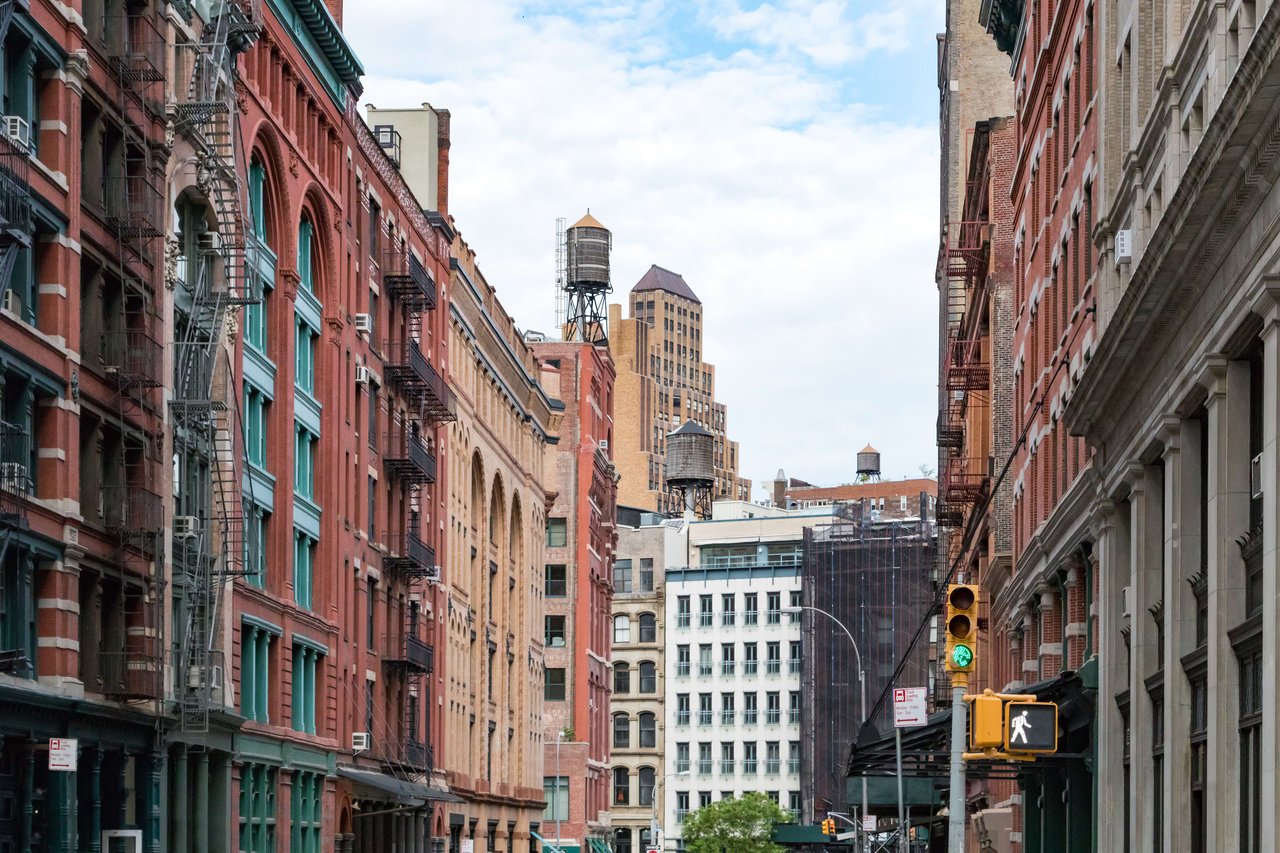
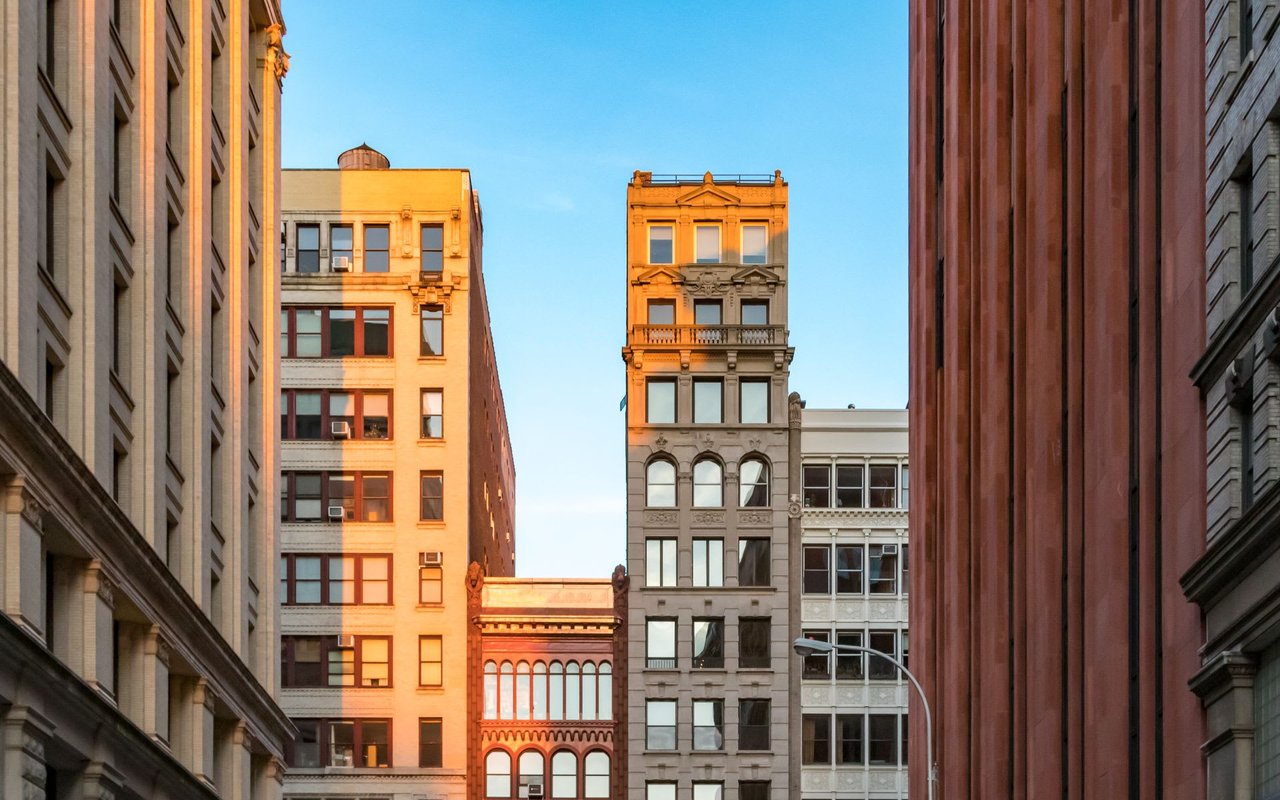
A prime shopping destination, SoHo is lined with cobblestone streets and stunning post-war cast-iron facades.
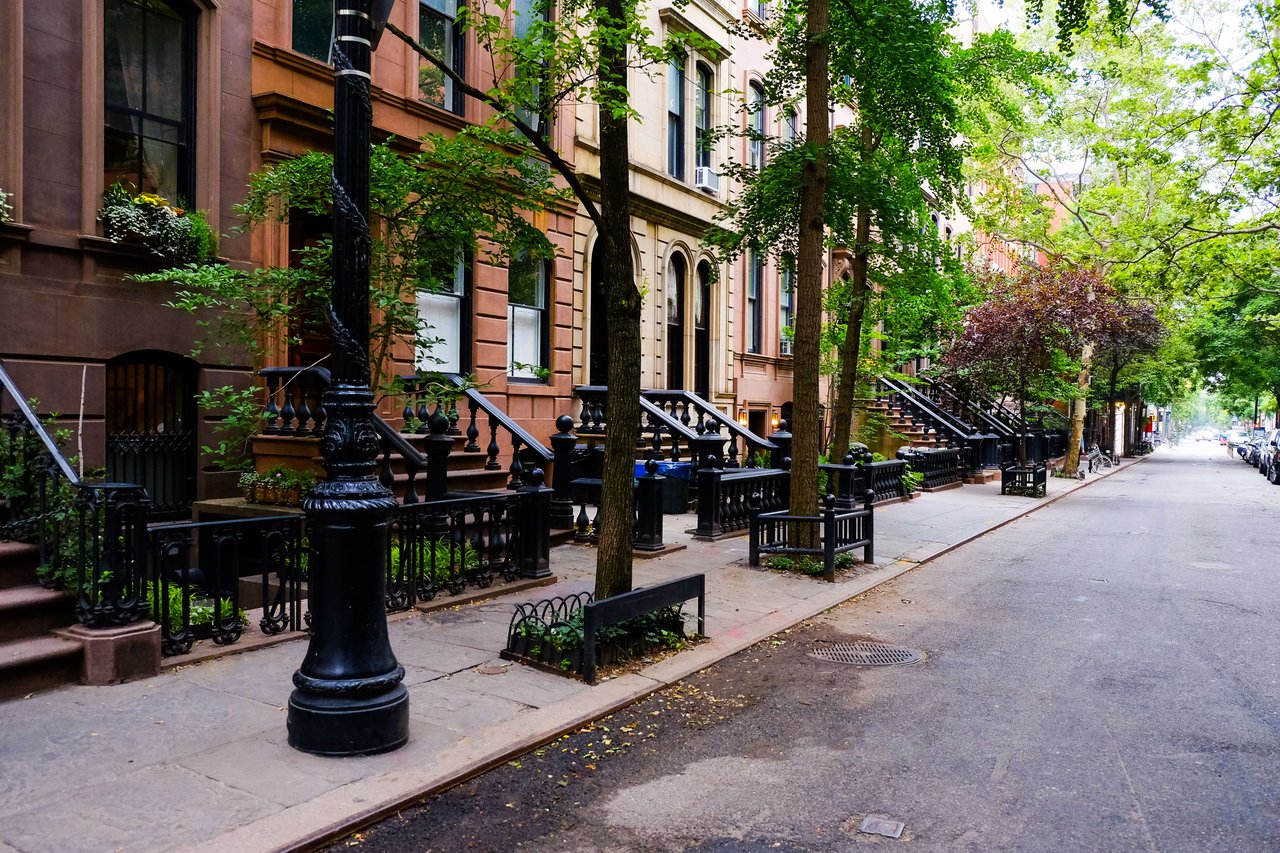
A prime shopping destination, SoHo is lined with cobblestone streets and stunning post-war cast-iron facades.
11,824 people live in SoHo, where the median age is 39 and the average individual income is $169,405. Data provided by the U.S. Census Bureau.
Total Population
Median Age
Population Density Population Density This is the number of people per square mile in a neighborhood.
Average individual Income
SoHo is one of the few Manhattan neighborhoods where the buildings themselves are the main attraction. Behind the cast-iron facades and cobblestone side streets are some of the city's largest and most distinctive homes: full-floor lofts with 12-foot ceilings, oversized windows, and elevators that open directly into the residence.
SoHo lives two lives in one day. On weekend afternoons, Broadway and Prince Street fill with shoppers and visitors. By evening, the interior blocks of Greene, Wooster, and Mercer Streets turn quiet, and the neighborhood feels residential and private. Buyers who understand that rhythm, and choose their block accordingly, tend to love living here.
For buyers, SoHo has a learning curve that most Manhattan neighborhoods don't. Landmark rules, a legacy of artist-only zoning, and a mix of condos and tightly governed co-ops all affect what a home is worth and who can legally live in it. This guide covers what you need to know before you buy.
SoHo stands for South of Houston Street. It sits in Lower Manhattan, between Greenwich Village to the north and Tribeca to the south.
Border | Street | Neighboring Area |
|---|---|---|
North | Houston Street | Greenwich Village and NoHo |
South | Canal Street | Tribeca |
East | Lafayette Street / Crosby Street | Nolita and Little Italy |
West | Sixth Avenue (Avenue of the Americas) | Hudson Square |
The location is a big part of SoHo's value. You can walk to Washington Square Park, the Hudson River waterfront, Tribeca, and the Financial District, and about ten subway lines stop within or along the neighborhood's edges.
SoHo's history explains a lot about its homes today, including why some lofts still carry zoning questions.
In the 1600s, much of this land was farmland granted to formerly enslaved Africans under Dutch rule. By the early 1800s it had become a fashionable residential district of Federal-style rowhouses. As commerce moved north from lower Manhattan in the mid-1800s, those homes gave way to textile warehouses, dry goods stores, and manufacturing lofts. This is when the cast-iron buildings that define SoHo today were built.
After World War II, manufacturing left for the suburbs and outer boroughs. The area emptied out, fires broke out often in vacant warehouses, and firefighters nicknamed it "Hell's Hundred Acres." Robert Moses proposed bulldozing much of it for the Lower Manhattan Expressway.
Artists saved SoHo. Drawn by cheap rent and huge, light-filled floors, painters and sculptors moved into the empty lofts, often illegally. Community activists helped defeat the expressway plan, and in 1971 the city created zoning that let certified artists legally live and work in manufacturing buildings. Galleries followed, and SoHo became the center of the New York art world in the 1970s and 1980s.
As property values rose, many galleries moved to Chelsea, and SoHo became what it is today: one of the world's top shopping districts and one of Manhattan's most expensive places to live, with its historic architecture protected by landmark status.
SoHo has the largest concentration of cast-iron buildings in the world. Most were built between the 1850s and 1890s, when cast iron was the cutting-edge building technology of its day.
Cast iron mattered for three reasons. First, ornate facades in Italianate, French Second Empire, and Classical styles could be mass-produced in foundries and bolted onto buildings for a fraction of the cost of carved stone. Second, iron columns were strong enough to carry heavy loads, so interiors didn't need thick masonry walls. Third, those slender columns allowed tall ceilings and very large windows. That light was needed for 19th-century garment work, then prized by artists, and is now one of the main features buyers pay a premium for.
The SoHo-Cast Iron Historic District was designated by the NYC Landmarks Preservation Commission in 1973 and became a National Historic Landmark in 1978. A few landmarks worth knowing:
What this means for owners: Landmark status protects the look of the neighborhood and limits new development, which supports long-term value. It also means that changing a building's exterior, windows, or rooftop usually requires Landmarks Preservation Commission approval. Budget for extra time and cost on any renovation that touches the building's exterior.
SoHo is consistently one of the most expensive residential markets in New York City. Prices stay high because supply is limited. Landmark rules mean new construction is rare, so most sales are in converted historic buildings or small boutique condos.
Metric | Approximate Range |
|---|---|
Median sale price | $3.3M – $3.5M |
Average price per square foot | $1,900 – $2,100 |
Top-tier penthouses and new condos | Often $3,000+ per square foot |
Median rent (1–2 bedrooms) | $7,000 – $7,500+ per month |
Figures are approximate and change with market conditions. Contact us for current numbers on a specific building or property.
The headline numbers don't tell the whole story. Two SoHo lofts of the same size can be priced very differently based on factors that don't show up on a listing: whether the loft has been legally converted to residential use, whether it's a condo or co-op, the condition of the building's systems, how much light it gets, and which block it's on. A loft on a quiet stretch of Greene Street is a different product from one above a busy Broadway flagship store. Pricing correctly in SoHo depends on understanding these differences building by building.
Most SoHo homes fall into one of three categories. The right choice depends on your budget, how quickly you want to close, and how much flexibility you need after you buy.
Home Type | What to Expect | Buying Process | Best For |
|---|---|---|---|
Historic lofts | 11–15 ft ceilings, oversized windows, exposed brick, cast-iron columns, often a private elevator entry | Can be a condo or co-op; zoning status needs to be checked | Buyers who want original SoHo character and space |
Boutique condominiums | New infill buildings or fully renovated conversions, often with a doorman, gym, and sometimes parking | No board approval interview; subletting is generally permitted | International buyers, investors, and buyers who want a simpler purchase |
Cast-iron co-ops | Small historic buildings, often 5–15 units, sometimes self-managed with few amenities | Full board review, financial disclosure, and an interview; strict sublet and renovation rules | Buyers who plan to live there long-term and want a lower price per square foot |
Co-ops typically cost less per square foot than condos, but they often require a larger down payment (commonly 25% to 50%) and proof of cash reserves after closing. In SoHo's small co-ops, the board is often made up of just a few neighbors, so how your application is prepared and presented can make a real difference.
This is the section most buyers skip, and it can be the most expensive one to overlook.
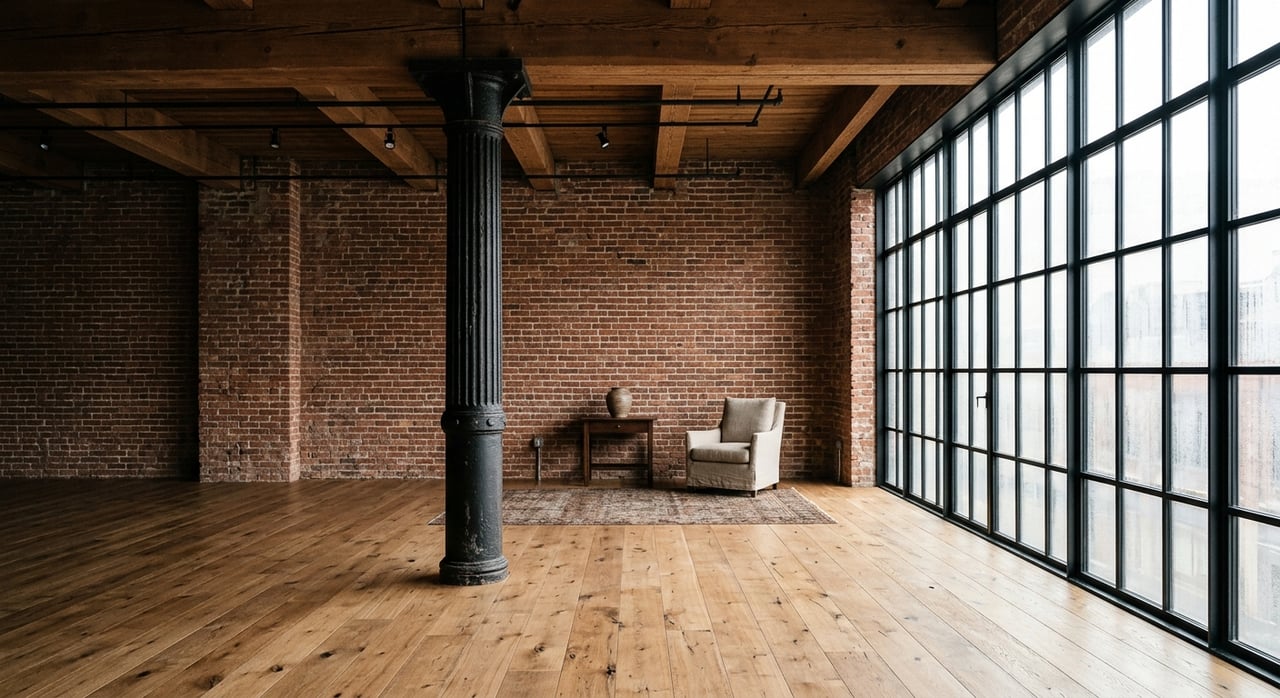
A classic SoHo loft has open floor plates that can exceed 5,000 square feet, with no structural walls dividing the space. Ceilings typically run 11 to 15 feet. Large multi-pane windows, exposed brick, timber beams, and original cast-iron columns are common, and many units have a key-locked elevator that opens directly into the home. Few homes in Manhattan offer this much open space.
In 1971, SoHo was zoned for manufacturing (M1-5A and M1-5B). To allow artists to live legally in these buildings, the city created a special category called Joint Living-Work Quarters for Artists (JLWQA). Under this rule, at least one resident of a JLWQA loft was required to be certified as an artist by the NYC Department of Cultural Affairs.
In practice, many lofts changed hands to non-artists over the decades, which created legal uncertainty for owners and lenders.
The SoHo/NoHo Neighborhood Plan, approved in 2021, rezoned the area and created a path for owners to convert JLWQA lofts to standard residential use by paying a one-time contribution to a city arts fund. Existing certified artists can continue living in their homes.
What this means for buyers: Before you make an offer on a loft, confirm its legal use. Ask whether the unit has already been converted, whether a conversion fee has been paid or will be required, and whether your lender has any conditions tied to zoning status. These answers affect the price, your financing, and how easy the loft will be to resell.
SoHo is one of the world's best-known open-air shopping districts. Each corridor has a distinct character, which also shapes what it's like to live there.
Broadway is the main commercial street, lined with large flagship stores for major international brands, many inside historic cast-iron buildings. It's the busiest part of SoHo, especially on weekends.
Prince and Spring Streets mix contemporary fashion, independent labels, beauty and skincare shops, and fine jewelry. They're lively but more varied and less crowded than Broadway.
Greene, Wooster, and Mercer Streets are quieter, cobblestoned streets home to flagship boutiques for global luxury fashion houses, along with design showrooms and galleries. These blocks are among SoHo's most sought-after residential addresses because they combine the neighborhood's best architecture with less foot traffic.
SoHo's dining scene mixes long-standing institutions with newer spots. A few places locals consider part of the neighborhood's identity:
Beyond these, Thompson, Sullivan, and Mercer Streets are lined with coffee shops and brunch spots, and evenings center on wine bars, hotel lounges like the one at The Mercer, and small cocktail bars. SoHo's nightlife tends toward dinner and drinks rather than clubs, which helps keep most residential blocks calm at night.
Although many large galleries moved to Chelsea in the 1990s, SoHo's art history is still visible in the neighborhood today.
The Judd Foundation at 101 Spring Street is the former home and studio of minimalist artist Donald Judd, kept as he arranged it. It's one of the best surviving examples of how artists lived in SoHo lofts in the 1960s and 1970s, and it's well worth a visit for anyone considering buying a loft.
The Drawing Center (35 Wooster Street) is a nonprofit museum dedicated to drawing. The Leslie-Lohman Museum of Art (26 Wooster Street) focuses on art that explores the LGBTQ+ experience. On SoHo's eastern edge, the Museum of Chinese in America on Centre Street documents the history of Chinese Americans. Smaller galleries and design showrooms are scattered throughout the neighborhood's side streets.
SoHo has a Walk Score of 100, and most daily errands can be done on foot. It's also one of the best-connected neighborhoods in the city for transit.
Station | Lines | Area Served |
|---|---|---|
Prince Street | N, R, W | Central SoHo (Broadway) |
Spring Street | C, E | Western SoHo (Sixth Avenue) |
Spring Street | 6 | Eastern SoHo (Lafayette Street) |
Broadway–Lafayette St / Bleecker St | B, D, F, M, 6 | Northern edge (Houston Street) |
Canal Street | A, C, E, N, Q, R, W, J, Z, 6, 1 | Southern edge (Canal Street) |
Houston Street | 1 | Northwest edge (Varick Street) |
The M1 and M55 buses run north-south, and the M21 runs crosstown along Houston Street. Citi Bike stations are spread throughout the neighborhood.
SoHo is in NYC Geographic School District 2, one of the city's most sought-after public school districts. Zoned schools vary by address, so families should confirm a specific property's zoning with the NYC Department of Education before buying.
For public elementary schools, families in and around SoHo often look at P.S. 130 Hernando De Soto, as well as P.S. 3 and P.S. 41 in Greenwich Village, depending on zoning. For high school, the NYC iSchool is located on SoHo's western edge at 131 Avenue of the Americas and is known for project-based learning. Specialized and selective options nearby include Stuyvesant High School and Millennium High School in Lower Manhattan.
Private schools within easy reach include St. Luke's School and The Village Community School in the West Village, and Léman Manhattan Preparatory School in the Financial District.
If you like SoHo but want to compare options, its neighbors offer different versions of downtown living:
Neighborhood | Direction | Why Buyers Consider It |
|---|---|---|
Tribeca | South | Quieter and more family-oriented, with large warehouse lofts and a strong luxury condo market |
NoHo | North | Small and exclusive, with grand cast-iron buildings and high-end lofts; shares SoHo's zoning history |
Greenwich Village / West Village | North and northwest | Tree-lined streets, townhouses, Washington Square Park, and a lower-rise, more residential feel |
Nolita | East | Narrow streets with independent boutiques, cafés, and prewar walk-up apartments |
Hudson Square | West | Newer condo developments and easy access to Hudson River Park |
For the right buyer, yes. SoHo offers something few other neighborhoods can: very large, characterful homes inside protected historic architecture, right in the center of downtown Manhattan.
The homes are the main draw. Few places in New York offer this combination of space, ceiling height, light, and history. The location is excellent, with about ten subway lines, a perfect Walk Score, and easy access to the Village, Tribeca, and the waterfront. Landmark protections limit new supply, which has historically helped SoHo homes hold their value over the long term.
Weekend crowds on Broadway, Prince, and Spring Streets are real, and delivery trucks and retail activity can make commercial blocks noisy during the day. Everyday costs, from groceries to dining, are high. Buying can also be more complicated than in other neighborhoods, because of loft zoning questions, small co-op boards, and landmark rules on renovations.
SoHo rewards buyers who do their homework. If you choose your block carefully, confirm the loft's legal status, and understand the building's governance before you sign, you'll own one of the most distinctive homes in New York City.
Buying or selling in SoHo requires more than knowing the market. It takes the ability to evaluate each building and property on its own terms. Carol Staab, Senior Global Real Estate Advisor and Licensed Associate Real Estate Broker with Sotheby's International Realty, brings 28 years of Manhattan luxury real estate experience to every transaction. Recognized by RealTrends among the top 1.5% of real estate professionals nationwide and ranked #5 among Sotheby's International Realty individual brokers in New York City, Carol is known as "The Real Estate Doctor" for her ability to identify what's holding a property back and build a strategy to maximize its value. As a former long-time co-op board member, she understands board expectations from the inside, which is a real advantage in SoHo's small, closely governed buildings. She is also the author of The Pulse, her weekly Manhattan luxury market report, which gives clients clear, data-driven insight into where the market is heading. Whether you're preparing to sell a SoHo loft or searching for the right home downtown, contact Carol for a private consultation.
There's plenty to do around SoHo, including shopping, dining, nightlife, parks, and more. Data provided by Walk Score and Yelp.
Explore popular things to do in the area, including The Arrivals Pop Up Shop, Lunya | The Bedroom, and The Hobbyist.
| Name | Category | Distance | Reviews |
Ratings by
Yelp
|
|---|---|---|---|---|
| Shopping | 0.31 miles | 0 reviews | 0/5 stars | |
| Shopping | 0.37 miles | 1 review | 5/5 stars | |
| Shopping | 0.37 miles | 2 reviews | 1/5 stars | |
| Shopping | 0.38 miles | 1 review | 4/5 stars | |
| Active | 0.1 miles | 0 reviews | 0/5 stars | |
| Active | 0.12 miles | 1 review | 3/5 stars | |
| Active | 0.42 miles | 0 reviews | 0/5 stars | |
| Beauty | 0.16 miles | 0 reviews | 0/5 stars | |
|
|
||||
|
|
||||
|
|
||||
|
|
||||
|
|
||||
|
|
SoHo has 6,453 households, with an average household size of 2. Data provided by the U.S. Census Bureau. Here’s what the people living in SoHo do for work — and how long it takes them to get there. Data provided by the U.S. Census Bureau. 11,824 people call SoHo home. The population density is 47,500 and the largest age group is Data provided by the U.S. Census Bureau.
Total Population
Population Density Population Density This is the number of people per square mile in a neighborhood.
Median Age
Men vs Women
Population by Age Group
0-9 Years
10-17 Years
18-24 Years
25-64 Years
65-74 Years
75+ Years
Education Level
Total Households
Average Household Size
Average individual Income
Households with Children
With Children:
Without Children:
Marital Status
Blue vs White Collar Workers
Blue Collar:
White Collar:
October 8, 2026
October 29, 2026
Carol Staab | October 27, 2026
How Professional Listing Photos Help Your Manhattan Home Stand Out Online.
September 24, 2026
October 22, 2026
Carol Staab | October 21, 2026
Match Your Taste to the Architecture of Your Manhattan Home.

Pulse
Carol Staab | August 31, 2026
August 13, 2026
August 27, 2026
September 17, 2026
October 1, 2026
October 15, 2026
August 20, 2026
September 10, 2026
September 3, 2026
Pulse
Carol Staab | October 14, 2026
Pulse
Carol Staab | October 7, 2026
May 21, 2026
Pulse
Carol Staab | September 16, 2026
May 14, 2026

Carol Staab | September 9, 2026
Understanding Mortgage Pre-Approval Before You Buy in the Manhattan Real Estate Market.

Carol Staab | April 17, 2024
‘80s throwback design and natural materials are just two exciting trends to try out in your New York City home.
Pulse
Carol Staab | September 8, 2026
Carol Staab | October 4, 2024
The strategic tips for your success.
Carol Staab | September 2, 2026
On Manhattan’s Most Interesting Art Museums and Galleries.

Carol Staab | August 26, 2026
Green Space Becomes the Ultimate Manhattan Luxury: How Outdoor Gardens and Rooftops Shape Life in Manhattan Homes.
Pulse
Carol Staab | August 24, 2026
Pulse
Carol Staab | August 18, 2026
Pulse
Carol Staab | August 9, 2026
Carol Staab | August 10, 2026
A Loose Outline of How You Might Spend a Day Here.

Carol Staab | August 10, 2026
Simple Color Choices That Reshape How Your Space Feels.
August 6, 2026
August 6, 2026

Carol Staab | August 5, 2026
Design a Reading Retreat That Fits Your Manhattan Home.
Pulse
Carol Staab | July 24, 2026
Carol Staab | July 23, 2026
Manhattanites Have a Special Relationship with Space and Time.

Carol Staab | October 4, 2024
Discover the excitement.
July 23, 2026
Carol Staab | May 5, 2025
Scouring Manhattan’s cafes, from corner shops to well-known chains.
July 16, 2026
July 9, 2026
Carol Staab | July 8, 2026
Your Insider Guide to Buying One of New York City's Most Coveted Properties.
Carol Staab | July 8, 2026
Preserving the Past While Living in the Present.
Pulse
Carol Staab | July 8, 2026

Carol Staab | May 5, 2025
Accomplish your fitness goals efficiently at a Manhattan gym near you.
July 2, 2026
Pulse
Carol Staab | July 1, 2026
Carol Staab | May 5, 2025
Delve into nine of Manhattan’s world-class residential areas.
June 25, 2026

Carol Staab | April 16, 2024
Where you should go when you feel the need for retail therapy.
Pulse
Carol Staab | June 15, 2026
June 18, 2026

Pulse
Carol Staab | June 11, 2026
June 11, 2026
June 4, 2026

Carol Staab | October 4, 2024
Planning your timeline effectively.
Pulse
Carol Staab | May 29, 2026
May 28, 2026
Pulse
May 18, 2026
Pulse
Carol Staab | April 30, 2026

Carol Staab | October 30, 2024
Experience the melting pot of structural design in Manhattan.
Blog
Carol Staab | May 8, 2026
Setting the Stage for a Faster, More Profitable Sale.
Pulse
Carol Staab | April 30, 2026

Pulse
Carol Staab | March 31, 2026
Pulse
Carol Staab | March 23, 2026

Pulse
Carol Staab | February 19, 2026

Pulse
Carol Staab | February 11, 2026
Pulse
Carol Staab | September 3, 2025

Pulse
Carol Staab | September 15, 2025
Pulse
Carol Staab | September 25, 2025
Carol Staab | April 17, 2024
Read on to learn more about creating a compelling space in preparation to sell.

Carol Staab | April 17, 2024
Plan for your retirement with sound real estate and financial choices today.

Carol Staab | October 4, 2024
A Culinary Journey Through Manhattan's Finest Dining Establishments.
Pulse
Carol Staab | September 9, 2025
Pulse
Carol Staab | August 27, 2025

Pulse
Carol Staab | July 29, 2025
Pulse
Carol Staab | August 2, 2025
Pulse
Carol Staab | August 17, 2025
Pulse
Carol Staab | August 10, 2025
Pulse
Carol Staab | July 7, 2025
Pulse
Carol Staab | June 16, 2025

Pulse
Carol Staab | June 18, 2025

Pulse
Carol Staab | June 10, 2025
Pulse
Carol Staab | June 3, 2025
Pulse
Carol Staab | May 14, 2025

Pulse
Carol Staab | May 28, 2025
Pulse
Carol Staab | May 8, 2025

Carol Staab | May 5, 2025
Manhattan’s real estate market offers high potential, but smart investing requires solid strategy, research, and the right connections.
Carol Staab | May 5, 2025
Transform your Manhattan home into a space that blends style and function effortlessly.
Carol Staab | May 5, 2025
Your next chapter awaits.
Carol Staab | May 5, 2025
2025 is your chance to reimagine luxury living in Manhattan. What will your dream space look like?
Carol Staab | May 5, 2025
Your dream Manhattan home awaits.

Carol Staab | May 5, 2025
Winter in Manhattan is just the beginning of your adventure — get ready to embrace the magic.

Carol Staab | May 5, 2025
Breathe easier and live better in your Manhattan home by making air quality a top priority.
Pulse
Carol Staab | April 2, 2025

Pulse
Carol Staab | February 18, 2025

Pulse
Carol Staab | December 30, 2024

Pulse
Carol Staab | December 23, 2024
Pulse
Carol Staab | December 18, 2024

Pulse
Carol Staab | December 10, 2024
Carol Staab has an innovative luxury real estate practice that provides an elite level of concierge service through unparalleled world-class marketing and a hands-on business approach. Her mission is to give her clients an exceptional experience while helping them achieve the best results possible.