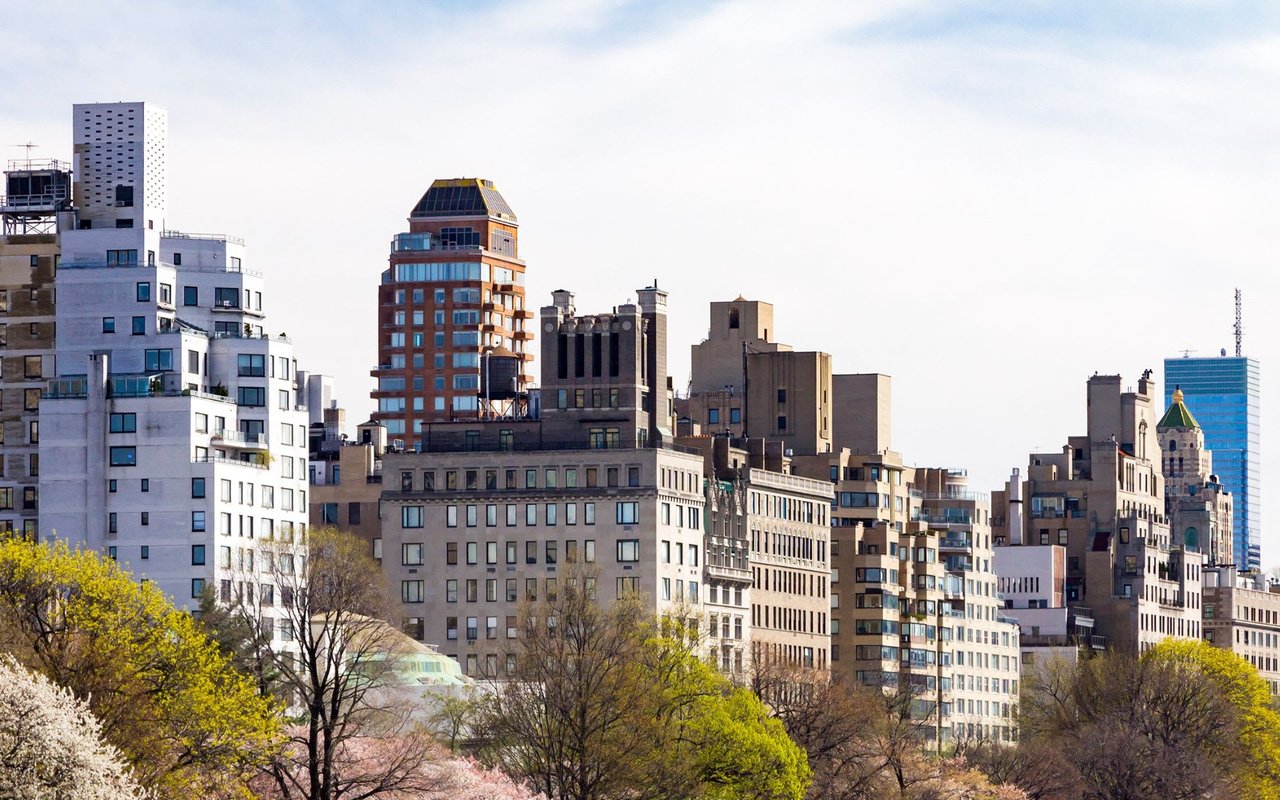
Lincoln Square
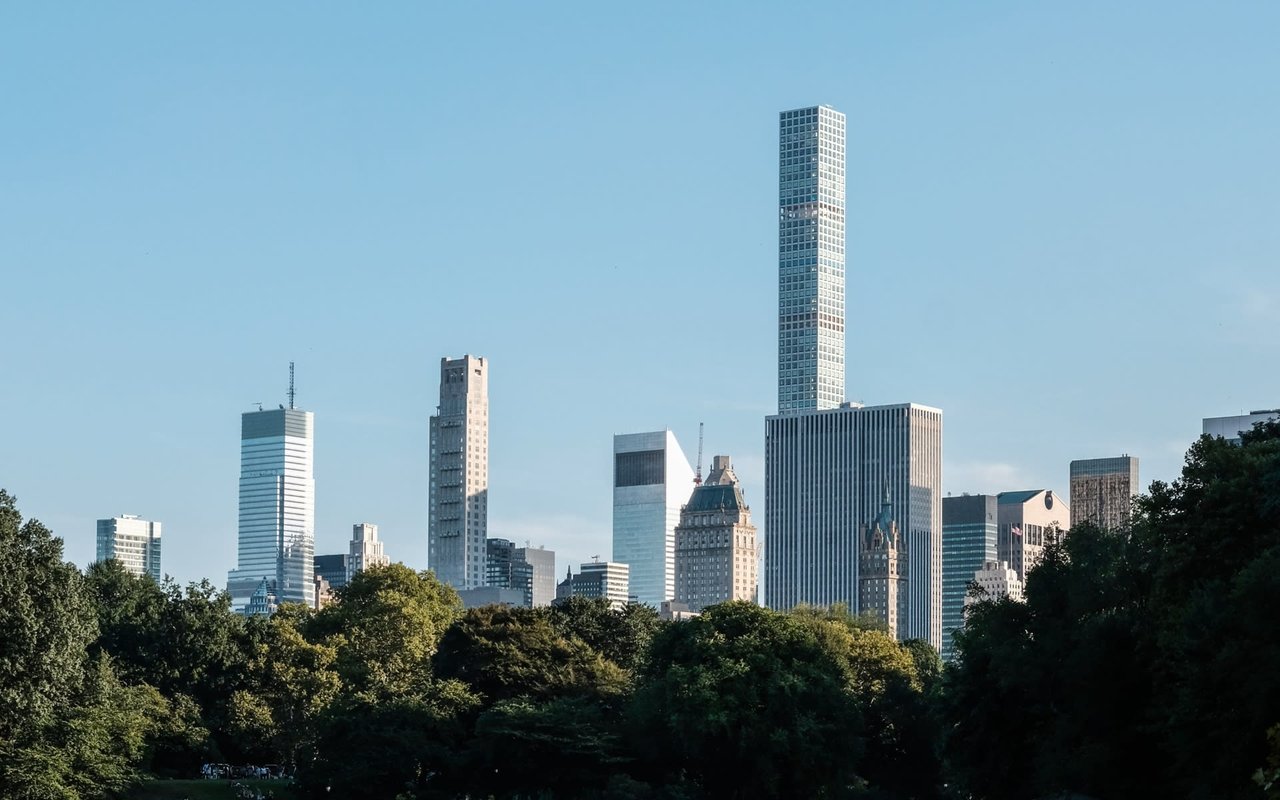
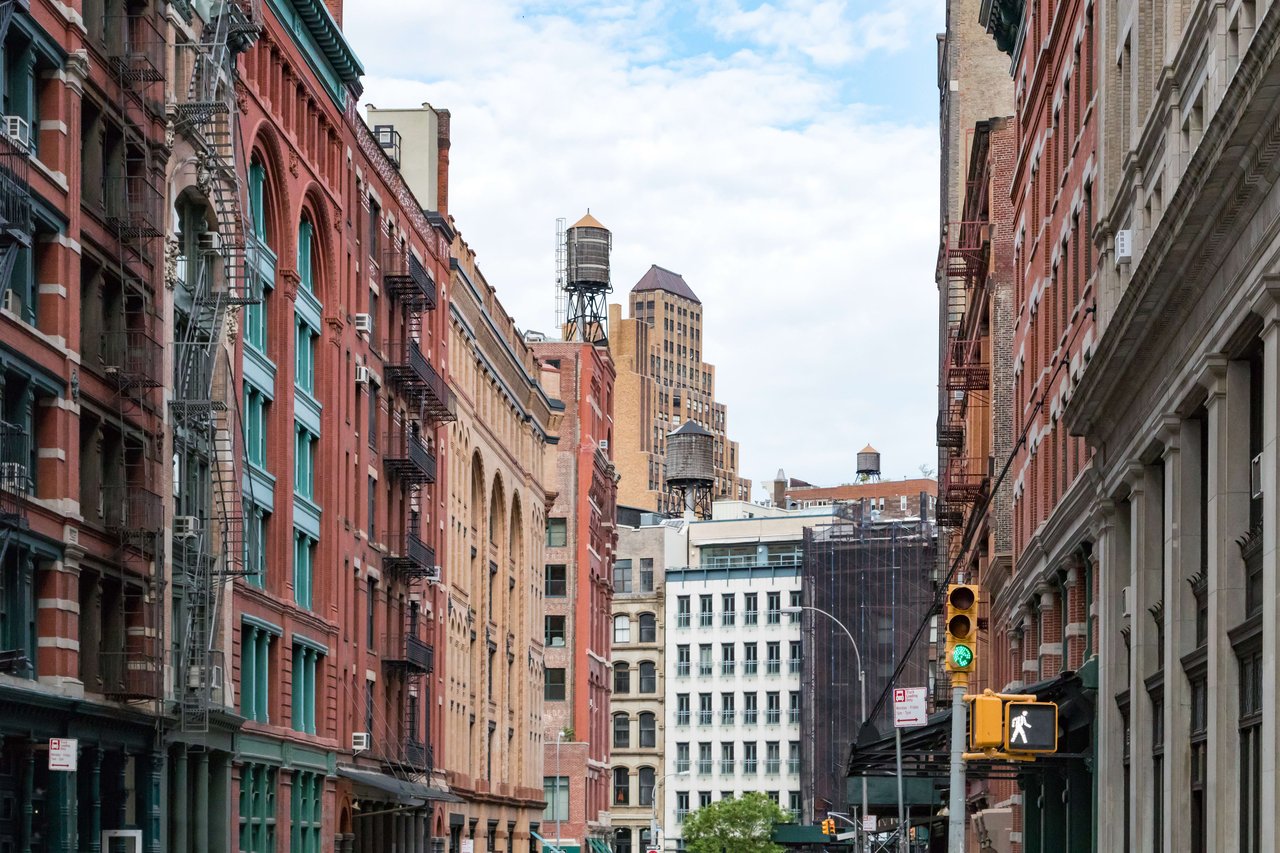
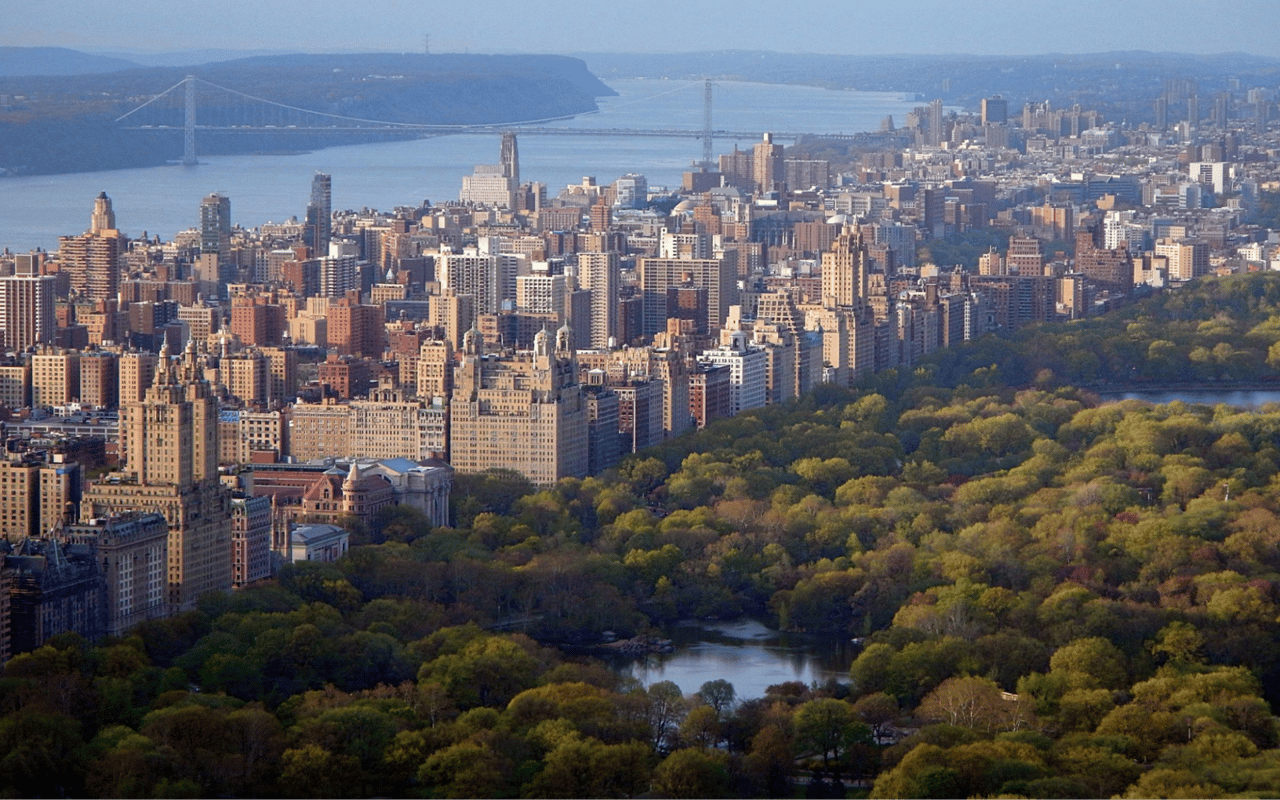
The Lincoln Square neighborhood in New York City is nestled between the green splendor of Central Park and the waters of the Hudson River.
The Lincoln Square neighborhood in New York City is nestled between the green splendor of Central Park and the waters of the Hudson River.
58,704 people live in Lincoln Square, where the median age is 45 and the average individual income is $139,000. Data provided by the U.S. Census Bureau.
Total Population
Median Age
Population Density Population Density This is the number of people per square mile in a neighborhood.
Average individual Income
Lincoln Square is the rare Manhattan neighborhood that feels engineered for a particular kind of life—one lived within walking distance of the Metropolitan Opera, the edge of Central Park, and the Hudson River all at once. Tucked into the southern tip of the Upper West Side, roughly between West 59th and West 72nd Streets where Broadway slices diagonally across Columbus and Amsterdam Avenues, it is at once a world cultural capital and a genuine residential neighborhood where people pick up groceries, walk their dogs, and send their kids to some of the best schools in the city.
What sets Lincoln Square apart is its unusual density of things people actually want: world-class performance, immediate green space, elite education, frictionless transit, and a housing stock that ranges from prewar co-op charm to supertall glass towers. It is polished without being sterile, busy without being frantic. For buyers and renters weighing Manhattan neighborhoods, Lincoln Square offers a specific proposition—cultural prestige and Central Park proximity, delivered in a compact, walkable footprint.
Lincoln Square is now synonymous with high culture and luxury living, but its path here is a dramatic story of mid-century urban transformation—one worth understanding, because it explains why the neighborhood feels the way it does today.
For the first half of the 20th century, the area was known as San Juan Hill, a working-class district with a large African American and Afro-Caribbean population alongside Irish and Italian immigrants. Despite systemic neglect, San Juan Hill was a vibrant community and a crucial incubator for jazz—Thelonious Monk lived here, and the "Charleston" dance was born in its clubs. By the 1940s, city planner Robert Moses had targeted the neighborhood for "urban renewal," and under Title I of the Housing Act of 1949, the area was declared a slum, clearing the path for mass demolition.
In the late 1950s, the heart of San Juan Hill was razed. In a cinematic farewell, directors Jerome Robbins and Robert Wise filmed the opening scenes of the 1961 classic West Side Story on the desolate streets just before the tenements came down—immortalizing the very neighborhood being destroyed. In its place, Moses and a committee led by John D. Rockefeller III envisioned a massive cultural and residential campus that would consolidate New York's premier performing arts institutions into one world-class location.
Decades later, Lincoln Square has become an upscale, bustling stretch of the Upper West Side, its mid-century grit replaced by sleek high-rises, high-end dining, and manicured plazas like Richard Tucker Square. It stands as a masterclass in civic engineering—revered for its cultural contributions, though always tethered to the complex legacy of the community it displaced.
If Lincoln Square is the body, Lincoln Center for the Performing Arts is its beating heart. Spanning 163 acres, it is the anchor institution that defines the neighborhood's identity and global reputation.
Ground broke on the complex in 1959 with a ceremony featuring President Dwight D. Eisenhower, and it was designed by a coalition of the era's most celebrated modernist architects, including Wallace Harrison, Max Abramovitz, and Philip Johnson. The campus centers on the iconic Josie Robertson Plaza, with its revivifying fountain and three travertine palaces: the Metropolitan Opera House at the center, home to the Met Opera and American Ballet Theatre; David Geffen Hall, home to the New York Philharmonic; and the David H. Koch Theater, home to the New York City Ballet.
The center's footprint extends well beyond opera and ballet. It houses eleven resident organizations, among them the Juilliard School and Alice Tully Hall, which inject a constant stream of young, world-class talent into the neighborhood; Jazz at Lincoln Center at Frederick P. Rose Hall inside the Deutsche Bank Center, keeping the area's historic jazz roots alive; and the Film Society of Lincoln Center, which presents the prestigious New York Film Festival each year. Millions of visitors flow through annually, driving a thriving ecosystem of upscale restaurants, boutique hotels, and retail—proof that a dedicated investment in the arts can anchor long-term urban revitalization.
The Lincoln Square market is defined by its prime Upper West Side location, Central Park proximity, and the cultural gravity of Lincoln Center. It is a market of elevated stability and architectural prestige, catering heavily to affluent buyers and renters—while still rewarding those who negotiate with discipline.
The market strikes a balance between premium luxury valuations and deliberate, value-conscious buyer behavior. The median listing price hovers around $1.75 million, while the actual median closed sale price sits closer to $1.3 million—a gap that tells you sellers and buyers are meeting somewhere in the middle. Buyers can expect an average price per square foot of roughly $1,540 to $1,620, fluctuating with Hudson River or Central Park views. The market leans moderately toward buyers, with properties selling on average 2% to 3% below asking (a 97% to 98% sale-to-list ratio), meaning well-capitalized buyers have respectable negotiation leverage.
On inventory, desirable properties still sell efficiently even as transaction volume dips slightly year over year. The average listing spends roughly 80 to 85 days on the market; move-in-ready, accurately priced homes move much faster, while overpriced units linger. Importantly, new development launches across Manhattan have dropped well below the ten-year historical average, so the restricted construction pipeline gives existing luxury resale inventory in Lincoln Square built-in insulation against major price corrections.
Lincoln Square offers a diverse mix of housing, and navigating it well means understanding the real differences in financial requirements, architecture, and lifestyle across three tiers.
Condominiums represent the ultra-luxury segment, concentrated along Broadway, Columbus Avenue, and Riverside Boulevard. Expect high-rise living with sweeping Hudson or Central Park views, and towers like the Millennium Tower or the glass monoliths of Riverside South delivering extensive amenities—24-hour doormen, state-of-the-art fitness centers, pools, and private valets. Condos command a premium (often 20% to 30% higher per square foot than co-ops) and appeal to international buyers, investors who want to rent out units immediately, and anyone who prefers a straightforward transaction without a rigorous board review.
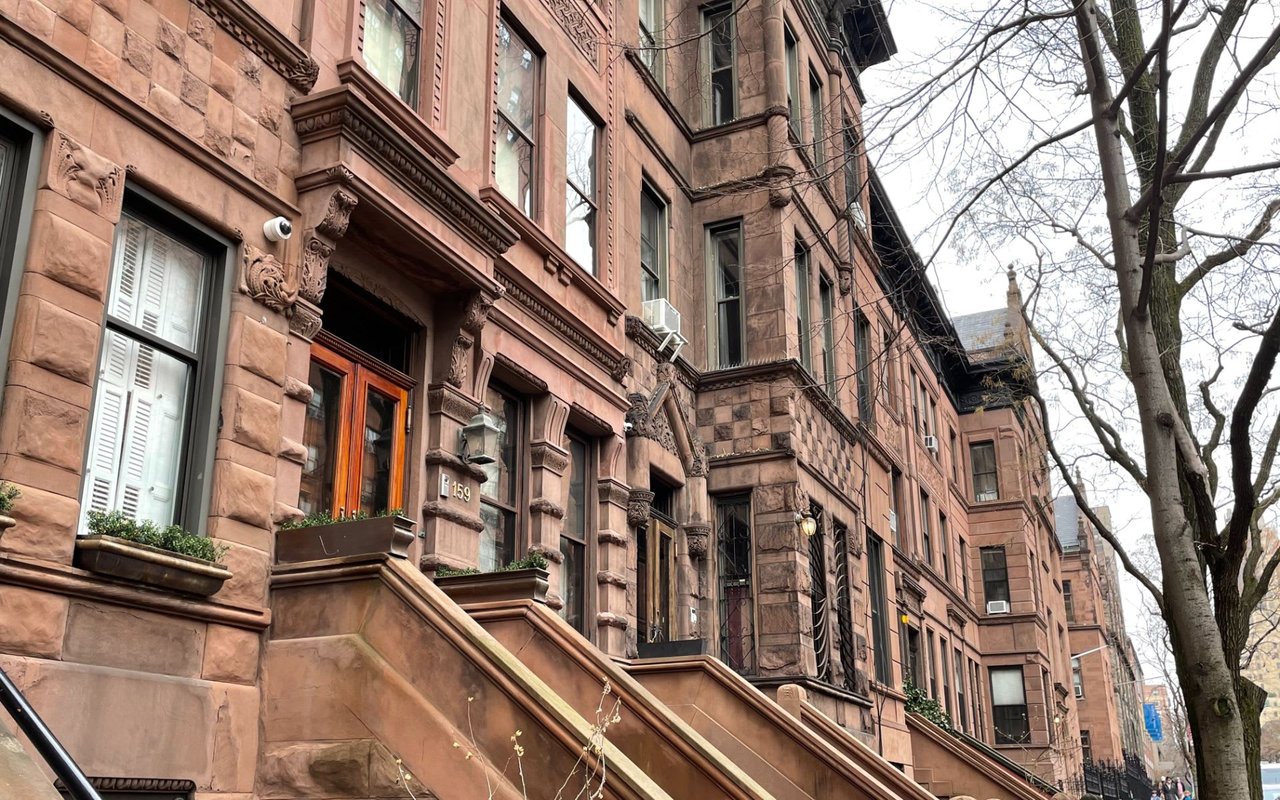
Co-ops are the neighborhood's staple for buyers who want classic Upper West Side architectural charm and stronger baseline value—prewar gems with high ceilings and crown molding, plus mid-century complexes near the Lincoln Center campus. Because buyers across Manhattan increasingly favor the flexibility of condos, co-ops here offer a lower price per square foot and a lower entry point. The catch is the board: expect stringent financial vetting, extensive disclosure, high post-closing liquidity requirements, and strict rules on subletting and pied-à-terre use.
Luxury rentals round out the market and move fast. The median monthly rent sits at a robust $5,700, and high-end doorman buildings dominate, with rooftop terraces, smart-home tech, concierge service, and immediate transit access. With Manhattan vacancy under 2.5%, top units lease quickly and landlords hold firm on price—driven by corporate executives, performing arts professionals, and residents who want the amenity lifestyle without buying in.
Lincoln Square's architecture blends mid-century masterworks, prewar prestige, and ultra-modern glass, and its space constraints make some of these addresses among the most exclusive in Manhattan.
15 Central Park West—"15 CPW"—is the standard-bearer: a limestone masterpiece by Robert A.M. Stern in a New Classical style that echoes the grand prewar apartment houses of the 1920s and 30s, with a rare all-limestone facade. Divided into a 20-story "House" facing Central Park and a 43-story "Tower," it draws global titans, celebrities, and billionaires who demand privacy, scale, and white-glove service.
155 West 68th Street (Dorchester Towers) represents the other pillar of the neighborhood—established, community-centric living. A successful rollout of renovated sponsor units recently made it one of the top-selling buildings in Manhattan by contract volume. With its landmark circular porte-cochère, landscaped rooftop terraces, and proximity to Lincoln Center, it embodies the quintessential full-service Upper West Side lifestyle.
The skyline is also evolving upward, driven heavily by Extell Development along the 66th Street corridor. 50 West 66th Street commands attention with its geometric glass-and-bronze design just blocks from Central Park, and plans have advanced on the former ABC/Disney campus for 77 West 66th Street, a 1,200-foot supertall designed to be the tallest tower in the neighborhood by a wide margin—a clear signal of Lincoln Square's push into ultra-modern verticality.
The culinary scene here is calibrated to the rhythm of the performance calendar. Lincoln Square excels at the pre-theater dinner and the sophisticated late-night nightcap, while keeping high-quality staples for locals.
For an elevated evening—especially before an 8:00 PM curtain—the neighborhood delivers. Lincoln Ristorante, a glass-bound pavilion on the Lincoln Center campus with a grass-lawn roof, offers refined contemporary Italian cuisine overlooking the Henry Moore sculpture pool. Rampoldi New York brings Monégasque elegance and refined French-Italian fusion in a chic, red-lit room explicitly timed for theatergoers, while The Grand Tier Restaurant, set inside the Metropolitan Opera House itself, lets diners enjoy haute cuisine under Chagall murals during intermission.
For something livelier, Broadway and Columbus host neighborhood powerhouses. The Smith, across from the Empire Hotel, is a high-energy American brasserie beloved for raw bar platters, steaks, and pre-show cocktails. P.J. Clarke's on West 63rd Street offers old-school saloon polish—checked tablecloths, famous burgers, a great raw bar—ideal for a post-show drink. Nightlife centers on live music and cocktail lounges rather than clubs: Dizzy's Club at Jazz at Lincoln Center pairs world-class jazz with a breathtaking skyline view through a wall of glass behind the stage, and Westland Roe has quickly become a local favorite for a perfectly poured Guinness or craft cocktail into the early hours.
Lincoln Square's retail runs from a high-density vertical mall to tree-lined street shopping, with a mix that reflects the neighborhood's affluent, wellness-oriented demographic.
The southern anchor is The Shops at Columbus Circle inside the Deutsche Bank Center at 10 Columbus Circle. Its four-story galleria curves along the arc of the circle with luxury and contemporary names like Hugo Boss, Stuart Weitzman, Jo Malone London, Swarovski, and Tumi, refreshed recently with large flagships from Aritzia and Madewell. On the subterranean level sits a 58,000-square-foot Whole Foods Market, consistently one of the highest-grossing grocery locations in the country and a vital anchor for residents.
Heading north, the experience shifts to street-level storefronts. The neighborhood is a hub for premium performance wear, anchored by sprawling multi-level Lululemon and Alo Yoga stores near Lincoln Center, while long-standing home-and-lifestyle institutions like Williams-Sonoma and Pottery Barn hold prominent footprints along Broadway, serving the design needs of the area's luxury owners.
Despite the density, Lincoln Square is exceptionally green—positioned within a dual-corridor oasis flanked by Central Park to the east and the Hudson River to the west, with European-style plazas threaded through the interior.
To the east, Lincoln Square directly borders the southwestern edge of Central Park, with immediate access via Merchants' Gate at Columbus Circle or the West 60s entrances along Central Park West. That means Sheep Meadow, Heckscher Playground, and miles of running loops are effectively a backyard—a genuine value driver for local real estate. To the west along the Hudson lies Riverside Park and its modern extension, Riverside Park South, stretching from 59th to 72nd Street with continuous walking and bike paths, manicured lawns, and historic locomotive exhibits. Its centerpiece, Pier I, is a 1,100-foot pier jutting into the river—a premier sunset spot with an outdoor café, fishing, and summer movie nights.
The interior is shaped by triangular plazas created where Broadway cuts diagonally across the grid. Richard Tucker Park, between West 65th and 66th directly across from Lincoln Center, functions as a bustling neighborhood square and hosts a beloved year-round Greenmarket on Thursdays and Saturdays. Dante Park, at West 63rd and Broadway, is a shaded, tree-lined oasis with café seating and a statue of Dante Alighieri—a people-watching hub and the venue for the neighborhood's free summer concert series.
Lincoln Center is the titan, but Lincoln Square's cultural life extends well beyond it, into independent cinema, specialized museums, and lively outdoor programming.
Film lovers treat the neighborhood as hallowed ground. AMC Lincoln Square 13 houses the largest true IMAX screen in the United States—75.6 feet tall and 101 feet wide—which is why filmmakers like Christopher Nolan target it for monumental 70mm premieres. Film at Lincoln Center, through the Walter Reade Theater and the Elinor Bunin Munroe Film Center, hosts year-round retrospectives, indie premieres, and the internationally celebrated New York Film Festival.
On West 65th Street, the intimate American Folk Art Museum celebrates self-taught and traditional artists, its textiles, quilts, and sculptures offering a grounded, deeply human counterpoint to the grand performing arts across the street. Outdoors, the Lincoln Square BID activates the public plazas aggressively—Dante Park hosts free open-air lunchtime concerts each summer, and December turns the neighborhood into a winter festival hub with community tree lightings and street performances.
Lincoln Square is a genuine educational powerhouse, dense with top public schools, elite private academies, and world-class university campuses.
Among public schools, it is home to some of the most competitive seats in New York City. Fiorello H. LaGuardia High School of Music & Art and Performing Arts—the "Fame" school—sits beside Lincoln Center and admits students through a rigorous audition, balancing heavy academics with conservatory-level training. The Special Music School (P.S. 859) is the only public school in the city to integrate private conservatory-level music instruction directly into the K–12 academic day, and P.S. 199 (Jessie Isador Straus School) is a highly coveted, top-rated elementary school known for strong parental involvement.
On the private side, the Ethical Culture Fieldston School operates a Lower School campus on Central Park West, focused on progressive education from Pre-K onward, while Fusion Academy Lincoln Center offers a fully personalized 1-to-1 model for middle and high school students who need flexible structures. Layered on top is a college-town energy: Fordham University's Lincoln Center campus spans two full blocks and houses its law school, the Gabelli School of Business, and graduate schools of education and social service, while The Juilliard School, woven into the Lincoln Center complex, sends a steady pipeline of world-class young artists into the neighborhood through frequent free and subsidized recitals.
Lincoln Square is a commuter's paradise, with frictionless connections to both Midtown and Wall Street backed by pedestrian-friendly design.
Two major stations handle the bulk of local traffic. 59th Street–Columbus Circle on the southern edge connects to the A, C, B, D, and 1 lines, with instant access to the West Side and express service down to the Financial District. 66th Street–Lincoln Center, at the heart of the community, is served by the 1 local at all times (and the 2 during late nights) and features underground exits leading straight into Lincoln Center institutions like Juilliard—so theatergoers and students can bypass bad weather entirely.
Commute times are notably short: Columbus Circle to Times Square runs just 3 to 5 minutes, and a trip to Fulton Street in Lower Manhattan averages roughly 15 to 20 minutes on the express lines. For surface transit, the M66 and M72 cross-town buses link directly to the Upper East Side through Central Park. And with a Walk Score of 99, the neighborhood minimizes the need for a car altogether—the diagonal cut of Broadway creates wide sidewalks and pedestrian islands, and residents routinely accomplish every daily errand on foot.
The people here make up a highly educated, affluent, and culturally engaged cross-section of New Yorkers, and the local lifestyle blends corporate drive with a deep appreciation for the arts and wellness.
Financially, the neighborhood is elite: average annual household income sits around $255,000, with median individual income near $139,000. It is also one of the most credentialed enclaves in Manhattan—over 80% of adult residents hold a bachelor's degree or higher, and an astonishing 43% hold a master's or doctorate. The median age skews mature at 41 to 45, and the community splits roughly 58% single or roommate households (young executives, Juilliard and Fordham students, retirees) and 42% families drawn by the schools and parks.
The daily rhythm balances ambition and leisure. Around 98% of the working population holds white-collar professional, legal, financial, or administrative roles, many walking to work in Midtown or working from high-rise home offices over the Hudson. The neighborhood also attracts affluent retirees and empty nesters who move here specifically to live within walking distance of the Met Opera and the Philharmonic. On weekends, residents pick up heirloom tomatoes at the Richard Tucker Park Greenmarket, grab smoothies after a workout, and hold pre-theater reservations along Columbus Avenue. In short, it is a neighborhood that values sophistication, safety, convenience, and quiet luxury.
If you are weighing a move in or around Lincoln Square—whether you are positioning a residence for sale or trying to secure the right home in a market where every building has its own board dynamics, pricing history, and nuances—it helps to work with someone who understands Manhattan luxury at this level. Carol Staab is a Licensed Associate Real Estate Broker at Sotheby's International Realty, ranked by RealTrends among the top 1.5% of agents nationally, with 28 years in Manhattan luxury real estate and more than $190M in solo closed sales, including a dual-sided $28.4M sale at The Ritz-Carlton Residences on Central Park South.
Known as "The Real Estate Doctor" for solving what holds high-value properties back from their true worth, she pairs building-level intelligence and data-driven pricing with the world-class marketing reach of the Sotheby's global network.
As the creator of The Pulse, her weekly $4M+ Manhattan luxury market intelligence report followed by CEOs, founders, and global investors, Carol brings a clear-eyed read on where the market truly stands. If you are considering a move in this segment, you are welcome to reach out to Carol Staab for a private, no-pressure conversation about your Manhattan luxury property.
There's plenty to do around Lincoln Square, including shopping, dining, nightlife, parks, and more. Data provided by Walk Score and Yelp.
Explore popular things to do in the area, including Piel Feliz Skincare.
Lincoln Square has 30,383 households, with an average household size of 2. Data provided by the U.S. Census Bureau. Here’s what the people living in Lincoln Square do for work — and how long it takes them to get there. Data provided by the U.S. Census Bureau. 58,704 people call Lincoln Square home. The population density is 150,488 and the largest age group is Data provided by the U.S. Census Bureau.
Total Population
Population Density Population Density This is the number of people per square mile in a neighborhood.
Median Age
Men vs Women
Population by Age Group
0-9 Years
10-17 Years
18-24 Years
25-64 Years
65-74 Years
75+ Years
Education Level
Total Households
Average Household Size
Average individual Income
Households with Children
With Children:
Without Children:
Marital Status
Blue vs White Collar Workers
Blue Collar:
White Collar:
September 24, 2026
Pulse
Carol Staab | September 16, 2026
May 14, 2026
September 17, 2026

Carol Staab | September 9, 2026
Understanding Mortgage Pre-Approval Before You Buy in the Manhattan Real Estate Market.

Carol Staab | April 17, 2024
‘80s throwback design and natural materials are just two exciting trends to try out in your New York City home.
September 10, 2026
Pulse
Carol Staab | September 8, 2026
Carol Staab | October 4, 2024
The strategic tips for your success.
September 3, 2026
Carol Staab | September 2, 2026
On Manhattan’s Most Interesting Art Museums and Galleries.
Pulse
Carol Staab | August 31, 2026
August 27, 2026

Carol Staab | August 26, 2026
Green Space Becomes the Ultimate Manhattan Luxury: How Outdoor Gardens and Rooftops Shape Life in Manhattan Homes.
Pulse
Carol Staab | August 24, 2026
August 20, 2026
Pulse
Carol Staab | August 18, 2026
Pulse
Carol Staab | August 9, 2026
August 13, 2026
Carol Staab | August 10, 2026
A Loose Outline of How You Might Spend a Day Here.

Carol Staab | August 10, 2026
Simple Color Choices That Reshape How Your Space Feels.
August 6, 2026
August 6, 2026

Carol Staab | August 5, 2026
Design a Reading Retreat That Fits Your Manhattan Home.
Pulse
Carol Staab | July 24, 2026
Carol Staab | July 23, 2026
Manhattanites Have a Special Relationship with Space and Time.

Carol Staab | October 4, 2024
Discover the excitement.
July 23, 2026
Carol Staab | May 5, 2025
Scouring Manhattan’s cafes, from corner shops to well-known chains.
July 16, 2026
July 9, 2026
Carol Staab | July 8, 2026
Your Insider Guide to Buying One of New York City's Most Coveted Properties.
Carol Staab | July 8, 2026
Preserving the Past While Living in the Present.
Pulse
Carol Staab | July 8, 2026

Carol Staab | May 5, 2025
Accomplish your fitness goals efficiently at a Manhattan gym near you.
July 2, 2026
Pulse
Carol Staab | July 1, 2026
Carol Staab | May 5, 2025
Delve into nine of Manhattan’s world-class residential areas.
June 25, 2026

Carol Staab | April 16, 2024
Where you should go when you feel the need for retail therapy.
Pulse
Carol Staab | June 15, 2026
June 18, 2026
Pulse
Carol Staab | June 11, 2026
June 11, 2026
June 4, 2026

Carol Staab | October 4, 2024
Planning your timeline effectively.
Pulse
Carol Staab | May 29, 2026
May 28, 2026
May 21, 2026
Pulse
May 18, 2026
Pulse
Carol Staab | April 30, 2026
Carol Staab | October 30, 2024
Experience the melting pot of structural design in Manhattan.
Blog
Carol Staab | May 8, 2026
Setting the Stage for a Faster, More Profitable Sale.
Pulse
Carol Staab | April 30, 2026

Pulse
Carol Staab | March 31, 2026
Pulse
Carol Staab | March 23, 2026

Pulse
Carol Staab | February 19, 2026
Pulse
Carol Staab | February 11, 2026
Pulse
Carol Staab | September 3, 2025
Pulse
Carol Staab | September 15, 2025
Pulse
Carol Staab | September 25, 2025
Carol Staab | April 17, 2024
Read on to learn more about creating a compelling space in preparation to sell.
Carol Staab | April 17, 2024
Plan for your retirement with sound real estate and financial choices today.
Carol Staab | October 4, 2024
A Culinary Journey Through Manhattan's Finest Dining Establishments.
Pulse
Carol Staab | September 9, 2025
Pulse
Carol Staab | August 27, 2025
Pulse
Carol Staab | July 29, 2025
Pulse
Carol Staab | August 2, 2025
Pulse
Carol Staab | August 17, 2025
Pulse
Carol Staab | August 10, 2025
Pulse
Carol Staab | July 7, 2025
Pulse
Carol Staab | June 16, 2025

Pulse
Carol Staab | June 18, 2025

Pulse
Carol Staab | June 10, 2025
Pulse
Carol Staab | June 3, 2025
Pulse
Carol Staab | May 14, 2025

Pulse
Carol Staab | May 28, 2025
Pulse
Carol Staab | May 8, 2025

Carol Staab | May 5, 2025
Manhattan’s real estate market offers high potential, but smart investing requires solid strategy, research, and the right connections.
Carol Staab | May 5, 2025
Transform your Manhattan home into a space that blends style and function effortlessly.
Carol Staab | May 5, 2025
Your next chapter awaits.
Carol Staab | May 5, 2025
2025 is your chance to reimagine luxury living in Manhattan. What will your dream space look like?
Carol Staab | May 5, 2025
Your dream Manhattan home awaits.

Carol Staab | May 5, 2025
Winter in Manhattan is just the beginning of your adventure — get ready to embrace the magic.

Carol Staab | May 5, 2025
Breathe easier and live better in your Manhattan home by making air quality a top priority.
Pulse
Carol Staab | April 2, 2025

Pulse
Carol Staab | February 18, 2025

Pulse
Carol Staab | December 30, 2024

Pulse
Carol Staab | December 23, 2024
Pulse
Carol Staab | December 18, 2024

Pulse
Carol Staab | December 10, 2024
Pulse
Carol Staab | December 3, 2024
Pulse
Carol Staab | November 26, 2024
Pulse
Carol Staab | November 20, 2024
Pulse
Carol Staab | November 12, 2024
Pulse
Carol Staab | November 5, 2024
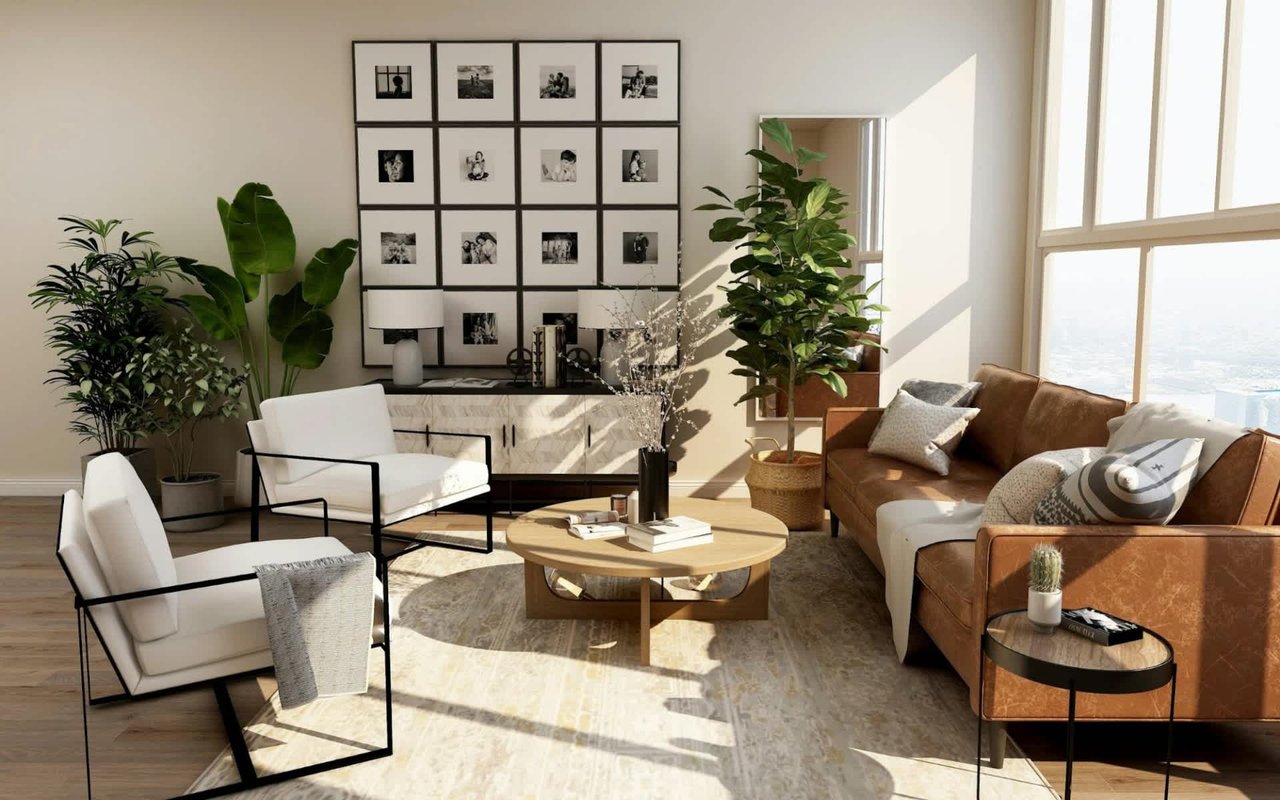
Carol Staab | October 30, 2024
Elevate your Manhattan condo with thoughtful upgrades that blend style, function, and urban sophistication.
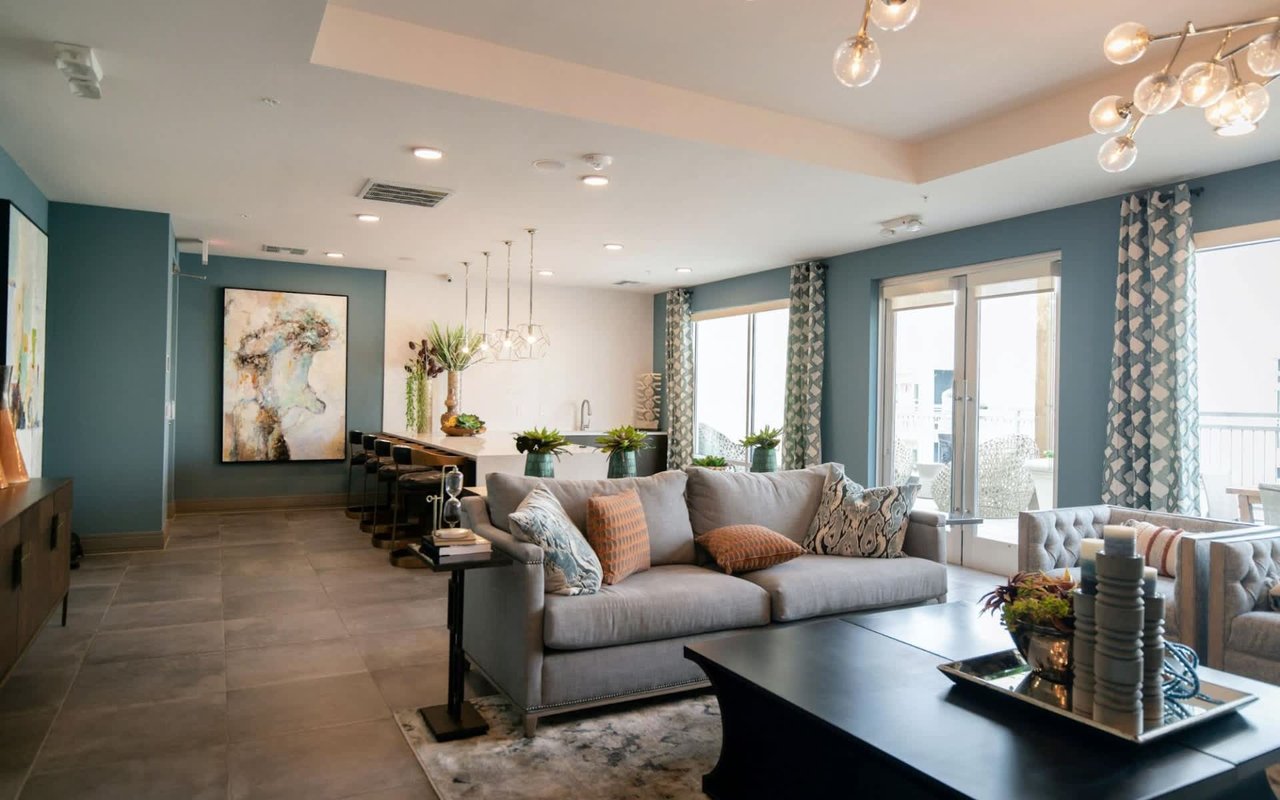
Carol Staab | October 30, 2024
Achieve homeownership in the West Village with confidence.
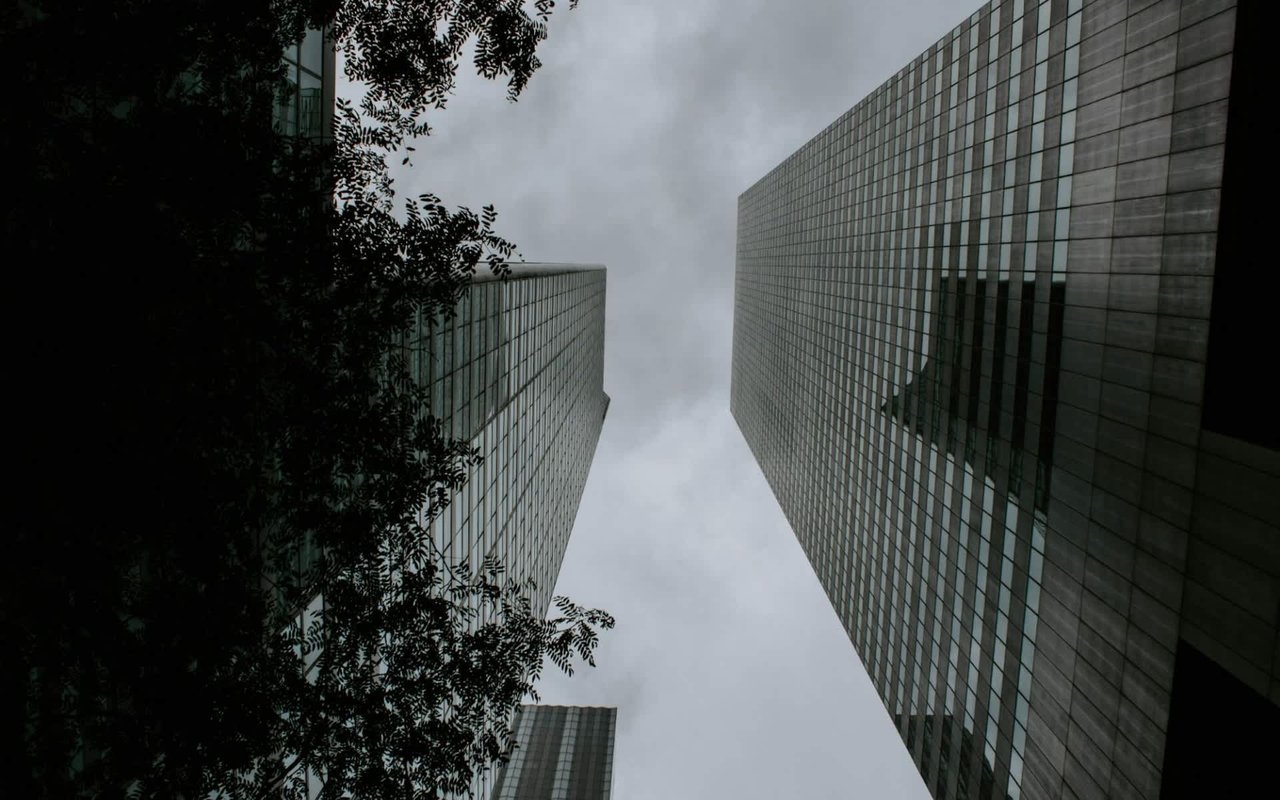
Carol Staab | October 30, 2024
Elevate your living experience with a high-rise condo in Manhattan.

Carol Staab | October 30, 2024
Helping you achieve success.
Carol Staab has an innovative luxury real estate practice that provides an elite level of concierge service through unparalleled world-class marketing and a hands-on business approach. Her mission is to give her clients an exceptional experience while helping them achieve the best results possible.