Welcome to Upper West Side
Prestigious, culturally rich neighborhood in the heart of an iconic city
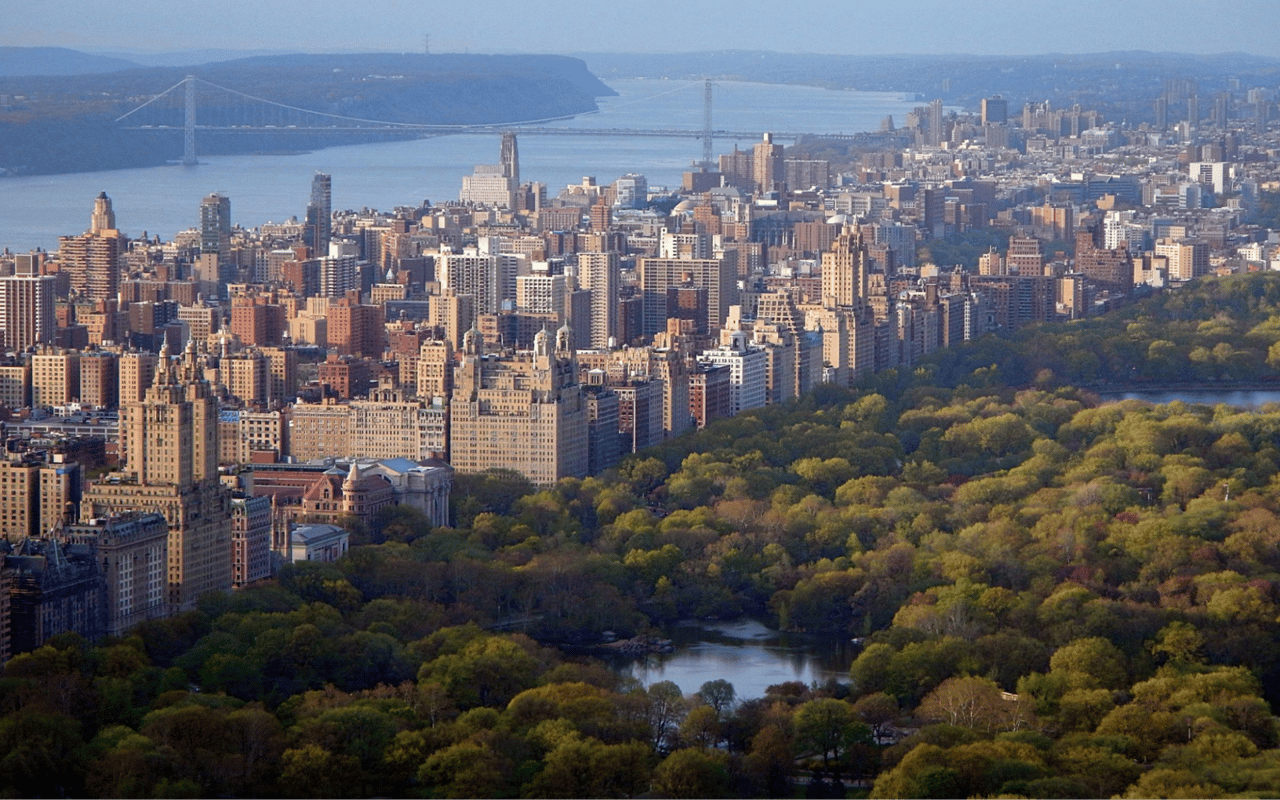
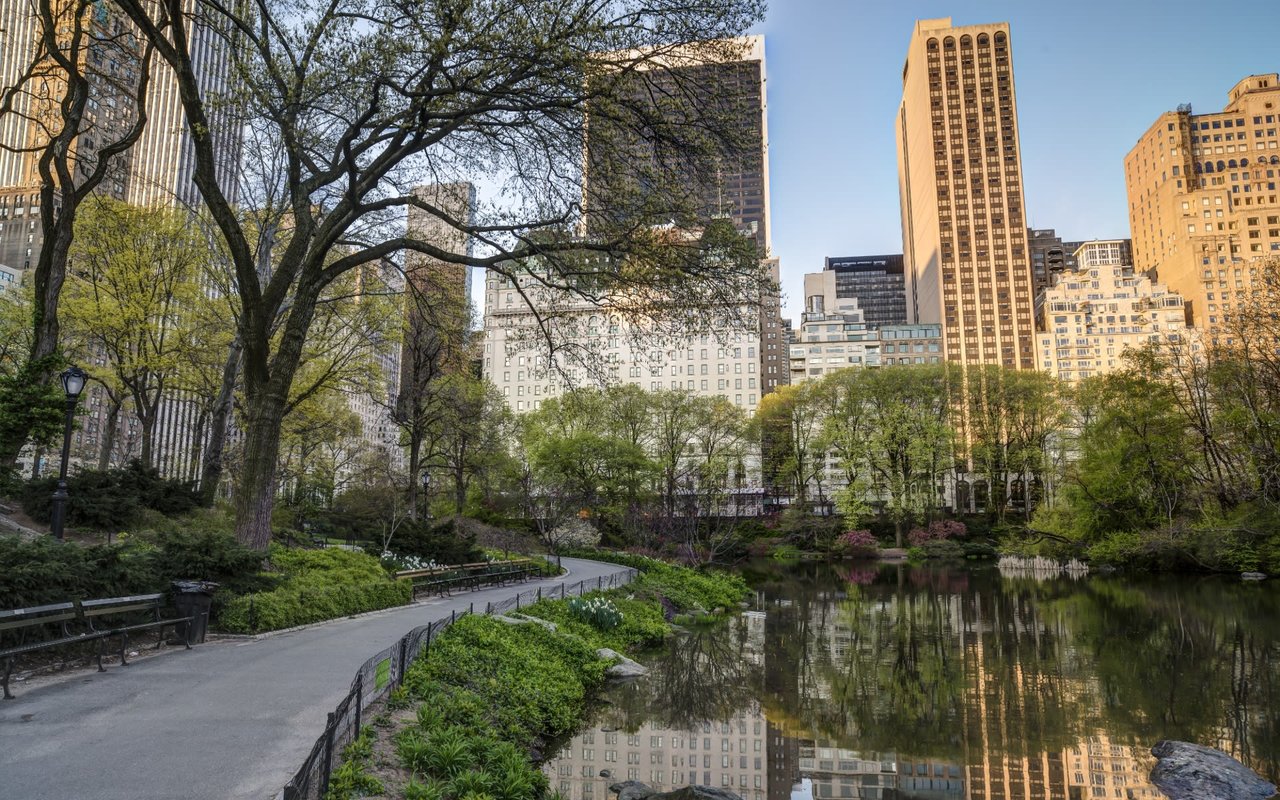
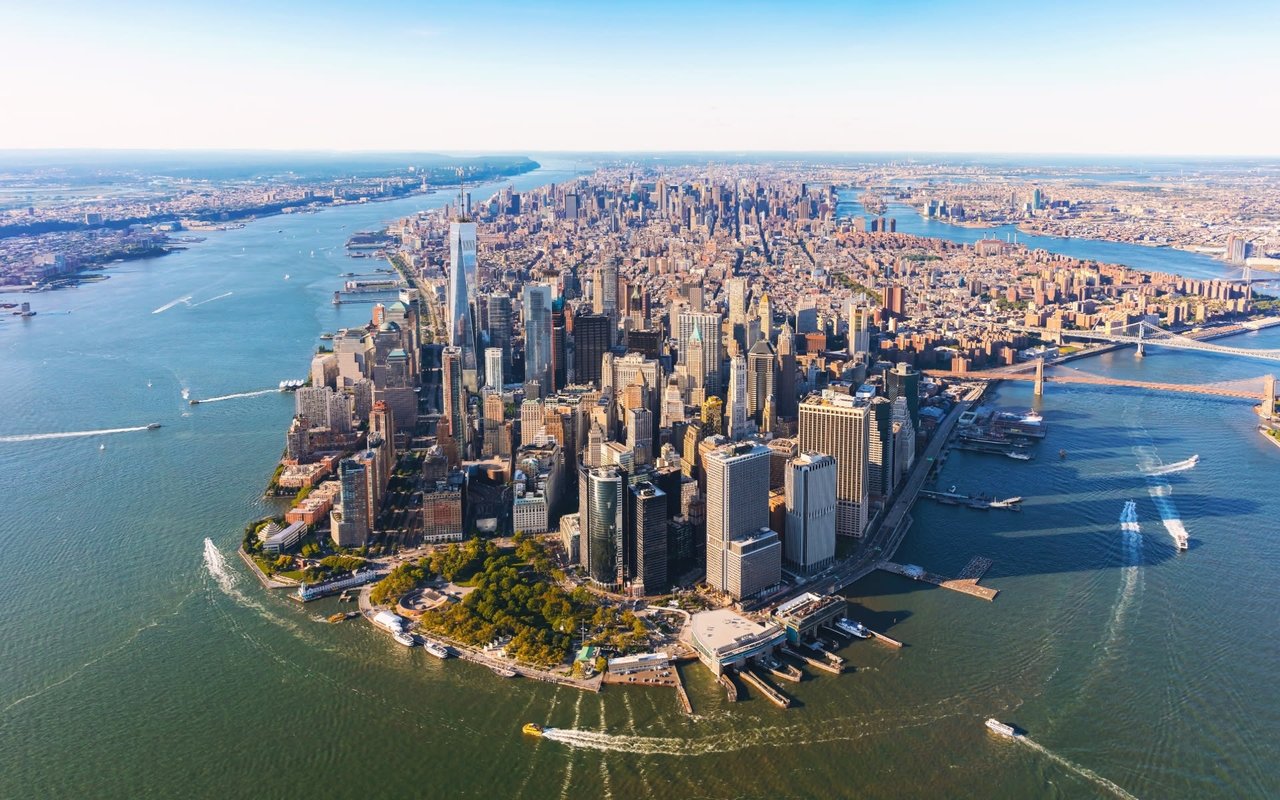
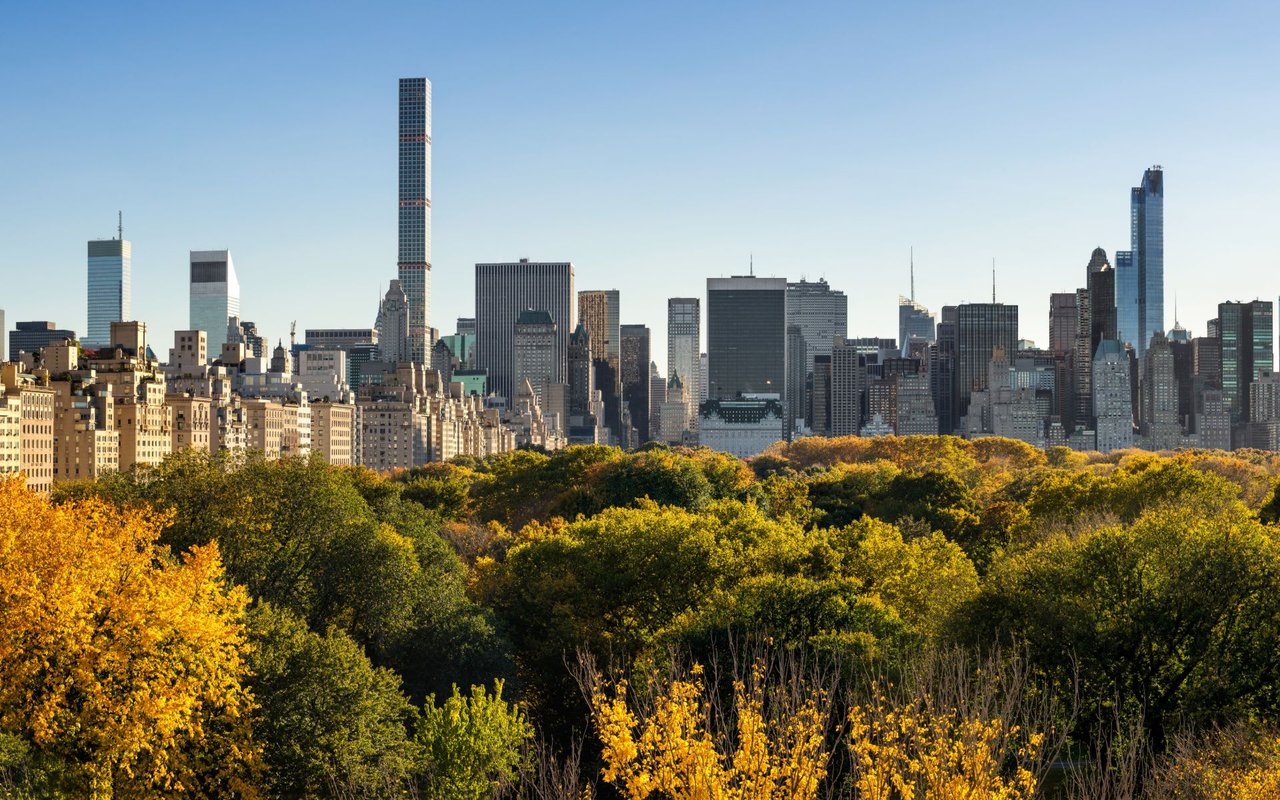
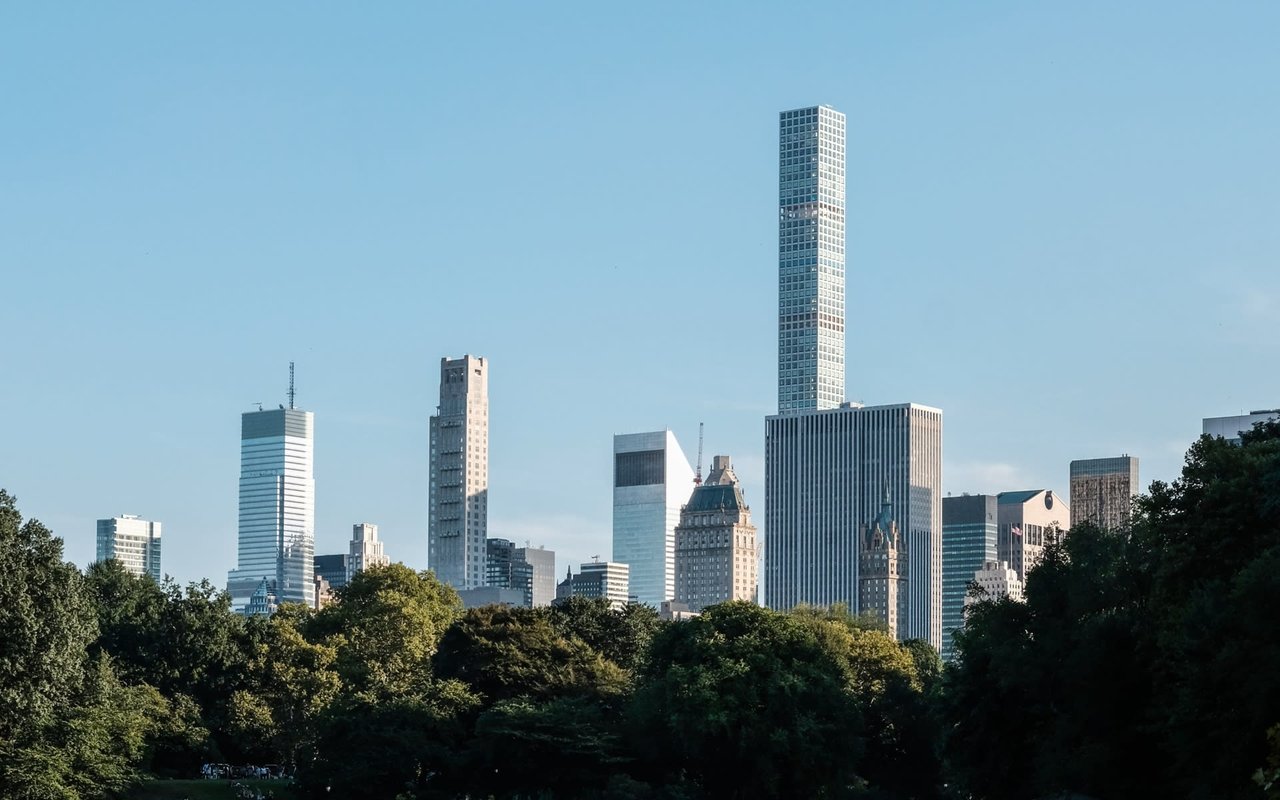
The Upper West Side is a true gem of New York City. From its stunning views of the Hudson River and Central Park to its wealth of cultural offerings, there are countless things to love about this neighborhood. One of the best things about the Upper West Side is its location just minutes away from some of the city's top attractions. It’s also known as a creative cultural hub while also maintaining a sense of intimacy and peace usually reserved for small-town suburbs. Those who call the Upper West Side home are incredibly lucky to have the best of the city at their fingertips.
History
The
Upper West Side’s historical roots trace back to the 17th century, when it was part of the Dutch colony of New Amsterdam, later evolving from rural farmland and estates into a refined urban enclave. Its transformation accelerated in the late 19th century with the expansion of the New York Central Railroad and the construction of Riverside Drive and West End Avenue, which were masterplanned under the influence of landscape architect Frederick Law Olmsted, co-designer of Central Park.
The development of the Dakota Building in 1884, one of the city’s first luxury apartment buildings, signaled a shift from single-family mansions to grand multi-family residences.
The Dakota, designed by Henry Janeway Hardenbergh, also architect of the Plaza Hotel, remains a landmark and symbol of UWS prestige. The arrival of the
Interborough Rapid Transit (IRT) subway in 1904 further fueled growth, leading to a boom in residential construction that blended Beaux-Arts, Neo-Renaissance, and Art Deco styles.
Landmark estates and institutions, like the American Museum of Natural History and Columbia University just to the north, cemented the Upper West Side's identity as a cultural and intellectual haven. Historic preservation efforts in the 1960s and 70s, led by local activists, helped protect the neighborhood’s architectural fabric during times of citywide change.
Local Culture
The Upper West Side exudes a cultured, intellectually driven, and community-centered atmosphere. Known for its deep ties to the arts, academia, and progressive activism, the neighborhood balances refinement with accessibility. Residents range from authors and filmmakers to educators, families, and longtime locals who embody the area’s thoughtful and understated tone.
The influence of
Lincoln Center for the Performing Arts is central to UWS culture. As home to the New York Philharmonic, the Metropolitan Opera, and New York City Ballet, it anchors the neighborhood’s reputation as a world-class arts district. Yet, culture also flourishes at the grassroots level through independent theaters like the Symphony Space, literary events at Book Culture, and rotating exhibits at the American Folk Art Museum.
The UWS also nurtures a strong nonprofit and civic presence. Organizations like
Goddard Riverside Community Center and
The West Side Campaign Against Hunger reflect the neighborhood’s commitment to equity, education, and outreach. Seasonal events like the New York Film Festival and Winter’s Eve at Lincoln Square bring neighbors together, reinforcing a communal spirit that blends intellectual vibrancy with warmth and tradition.
Local Attractions
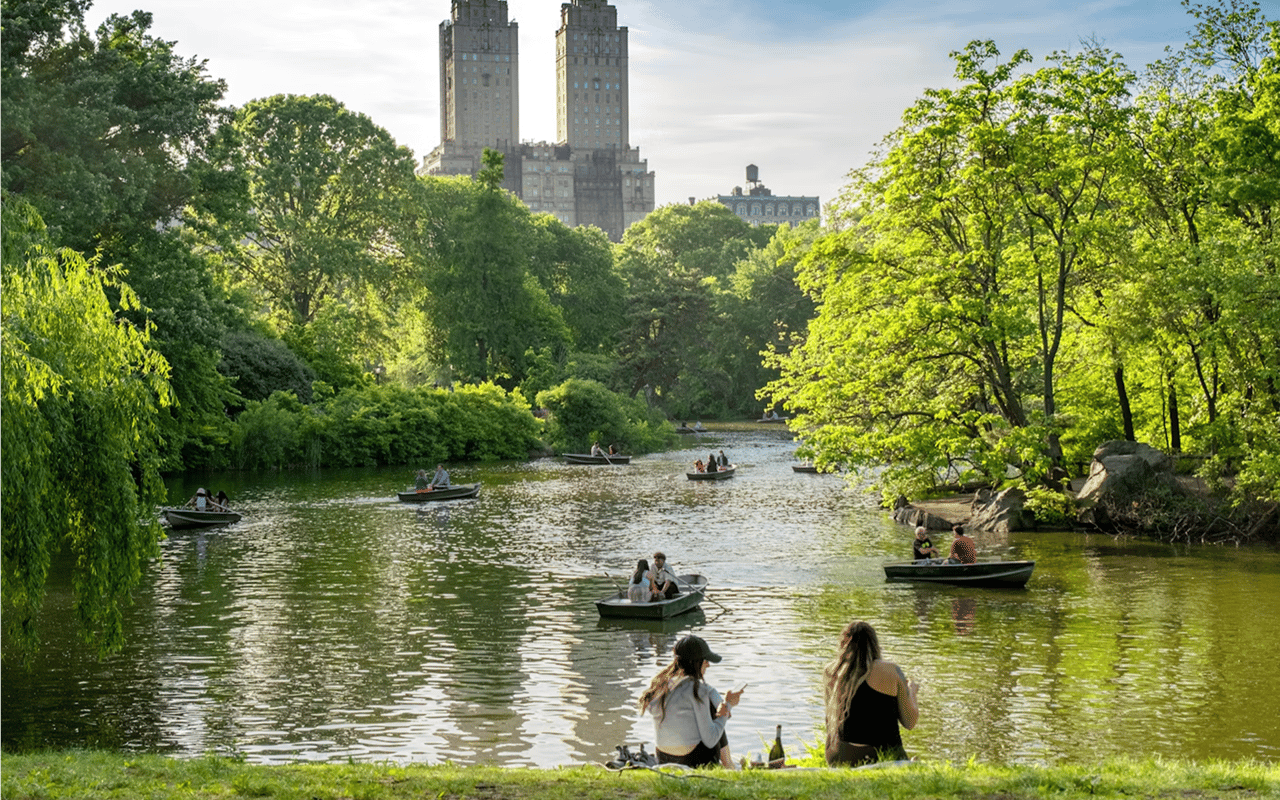
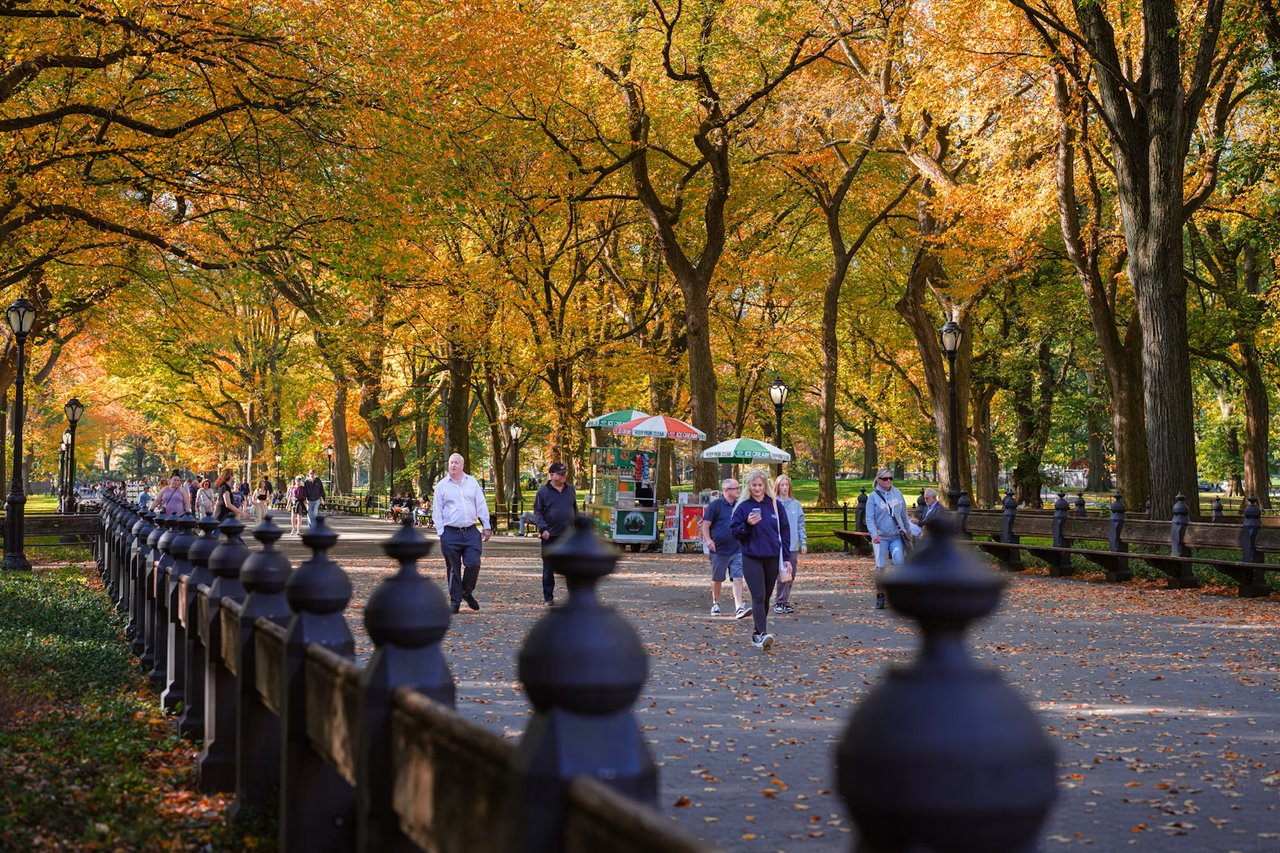
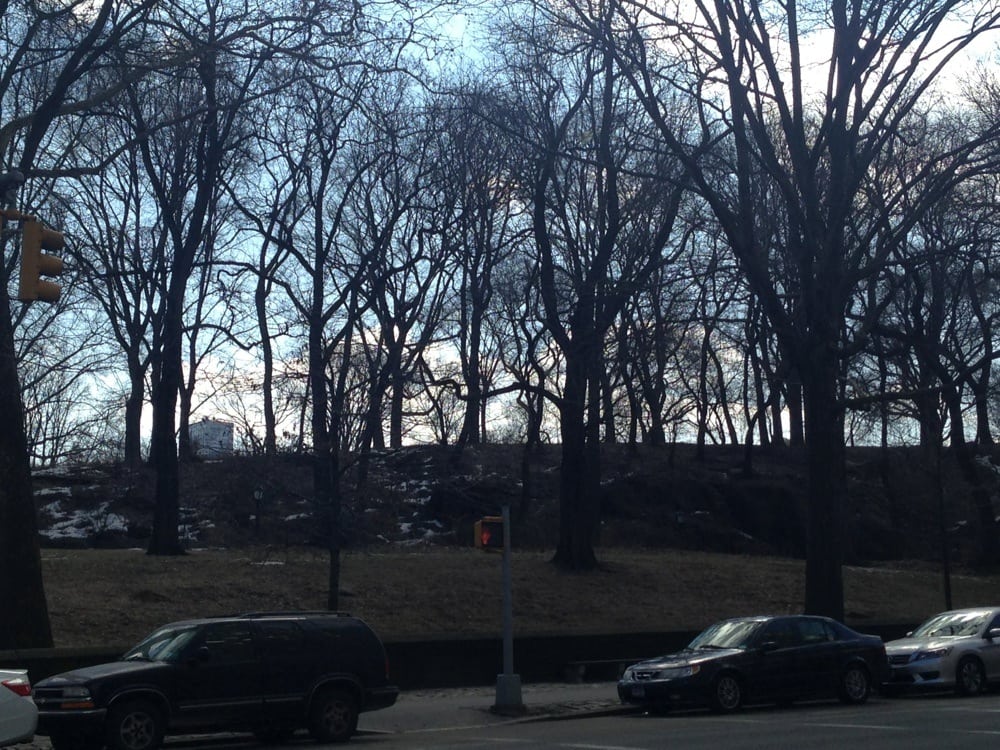
The Upper West Side also features iconic landmarks, green spaces, and cultural destinations that define its lifestyle. Flanked by Central Park to the east and Riverside Park to the west, residents enjoy unmatched access to nature in the heart of Manhattan.
Central Park’s Great Lawn,
Sheep Meadow, and the
Jacqueline Kennedy Onassis Reservoir are daily backdrops for joggers, families, and dog walkers. Meanwhile, Riverside Park, designed by Frederick Law Olmsted, offers a serene waterfront escape, complete with bike paths, community gardens, and riverfront views.
Cultural landmarks anchor the neighborhood’s identity. The
American Museum of Natural History is a global treasure, drawing millions with its dinosaur fossils, planetarium, and exhibitions. Lincoln Center for the Performing Arts stands as a beacon for music, dance, and theater, hosting world-renowned performances year-round. The Beacon Theatre, a historic venue on Broadway, adds to the area’s live entertainment appeal with concerts and comedy shows in a grand Art Deco setting.
While the UWS isn’t known for beaches or golf clubs, its proximity to the Hudson River Greenway and West Side piers provides waterfront leisure, from kayaking and sailing to scenic promenades. The
79th Street Boat Basin is a unique marina where locals dock and dine with a view. Together, these attractions offer an elegant yet approachable lifestyle rooted in culture, nature, and neighborhood charm.
Dining & Entertainment
The Upper West Side balances refined dining with cherished neighborhood favorites, offering a culinary and entertainment scene rooted in authenticity and taste. Fine dining establishments like
Cafe Luxembourg, known for its timeless French-American menu and classic ambiance, and
Bar Boulud, a Daniel Boulud creation specializing in charcuterie and wine, anchor the neighborhood’s luxury food culture. For contemporary New American fare,
The Milling Room offers seasonal dishes in a soaring, skylit dining room that exemplifies understated elegance.
Local favorites reflect the area’s unpretentious charm.
Jacob’s Pickles draws loyal crowds with its Southern comfort food and craft beer.
Zabar’s, the legendary Jewish deli and gourmet market, is a cultural institution in itself.
Levain Bakery, famous for its oversized cookies, sees lines out the door daily. The neighborhood’s café culture is equally rich, with cozy corners like Bluestone Lane and Birch Coffee serving as hubs for locals and creatives alike.
On the entertainment front, the Lincoln Center remains the crown jewel, hosting world-class performances across the Metropolitan Opera, New York City Ballet, and David Geffen Hall. The
Beacon Theatre offers intimate concerts and major acts in a landmark setting. For film lovers, AMC Lincoln Square 13 provides blockbusters and IMAX screenings, while Film at Lincoln Center curates independent and global cinema. Together, the dining and entertainment options on the UWS reflect its cultured, relaxed, and refined character.
Parks & Recreation
Outdoor living is central to the Upper West Side lifestyle, with two major parks (Central Park and Riverside Park) defining the neighborhood’s boundaries. These green spaces offer expansive opportunities for recreation, fitness, and relaxation just steps from home.
Central Park provides a diverse range of activities. Residents enjoy hiking-style trails through the
Ramble, scenic loops for jogging and biking, and access to the
Bridle Path, a historic equestrian trail that runs along the park’s western edge. Fields like the Great Lawn and North Meadow host everything from weekend soccer games to summer concerts, while playgrounds and open lawns welcome families year-round.
To the west, Riverside Park offers a quieter, riverfront experience. The
Hudson River Greenway supports biking, walking, and running with uninterrupted views. Community spaces such as Riverside Clay Tennis Courts and the Skatepark at 108th Street cater to active lifestyles, while 79th Street Boat Basin supports kayaking and waterfront lounging. Though Manhattan lacks traditional beaches, the Pier I promenade and Riverside South Park offer sunset views and open-air seating ideal for leisure and socializing.
Altogether, the Upper West Side’s parks and recreation options embody its balance of natural beauty and urban convenience, making it ideal for those who value an active, outdoor-centered life.
Schools & Education
The Upper West Side is highly regarded for its strong educational offerings, making it a top choice for families seeking academic excellence and well-rounded development. The neighborhood falls primarily within District 3, one of Manhattan’s most competitive public school districts, home to high-performing institutions such as
P.S. 199 Jessie Isador Straus and
P.S. 87 William Sherman, both of which consistently rank well in citywide assessments.
Middle and high school options are equally respected. The
Anderson School (P.S. 334), a citywide gifted and talented program, and
The Computer School are sought-after for their rigorous academics.
Beacon High School, a selective public high school with a focus on inquiry-based learning, attracts students from across the city.
The Upper West Side also offers a prestigious lineup of private and independent schools.
Collegiate School, one of the oldest independent schools in the U.S., and
Trinity School, consistently ranked among the top private schools nationwide, both offer exceptional K–12 education. Other notable institutions include The Dwight School, Calhoun School, and The Heschel School, each with distinct educational philosophies and strong reputations.
With access to
Columbia University just north of the neighborhood and an environment that values intellectual engagement, the Upper West Side provides a robust foundation for academic success across all levels.
Commute & Accessibility
The Upper West Side offers excellent connectivity, making it highly desirable for professionals and families alike. The neighborhood is well-served by multiple subway lines, including 1, 2, 3, and B, C. These subway lines provide commuters with fast access to Midtown, Downtown, and other boroughs. Commute times to Midtown Manhattan average 15–20 minutes, while Downtown can be reached in roughly 25–30 minutes by train.
For drivers, major thoroughfares such as Broadway, Amsterdam Avenue, and West End Avenue provide smooth north-south travel. The Henry Hudson Parkway runs along the western edge of the neighborhood, offering direct access to Upper Manhattan, the Bronx, and points north. Interstate 87 and I-95 are accessible via nearby connections for regional travel.
Airports are also within reasonable distance: LaGuardia Airport is about 25–35 minutes by car, JFK International about 45–60 minutes, and Newark Liberty International roughly 40–50 minutes, depending on traffic. For cyclists, the Hudson River Greenway provides a scenic and efficient bike route linking the UWS to downtown Manhattan and beyond.Real Estate in Upper West Side
Real Estate in Upper West Side
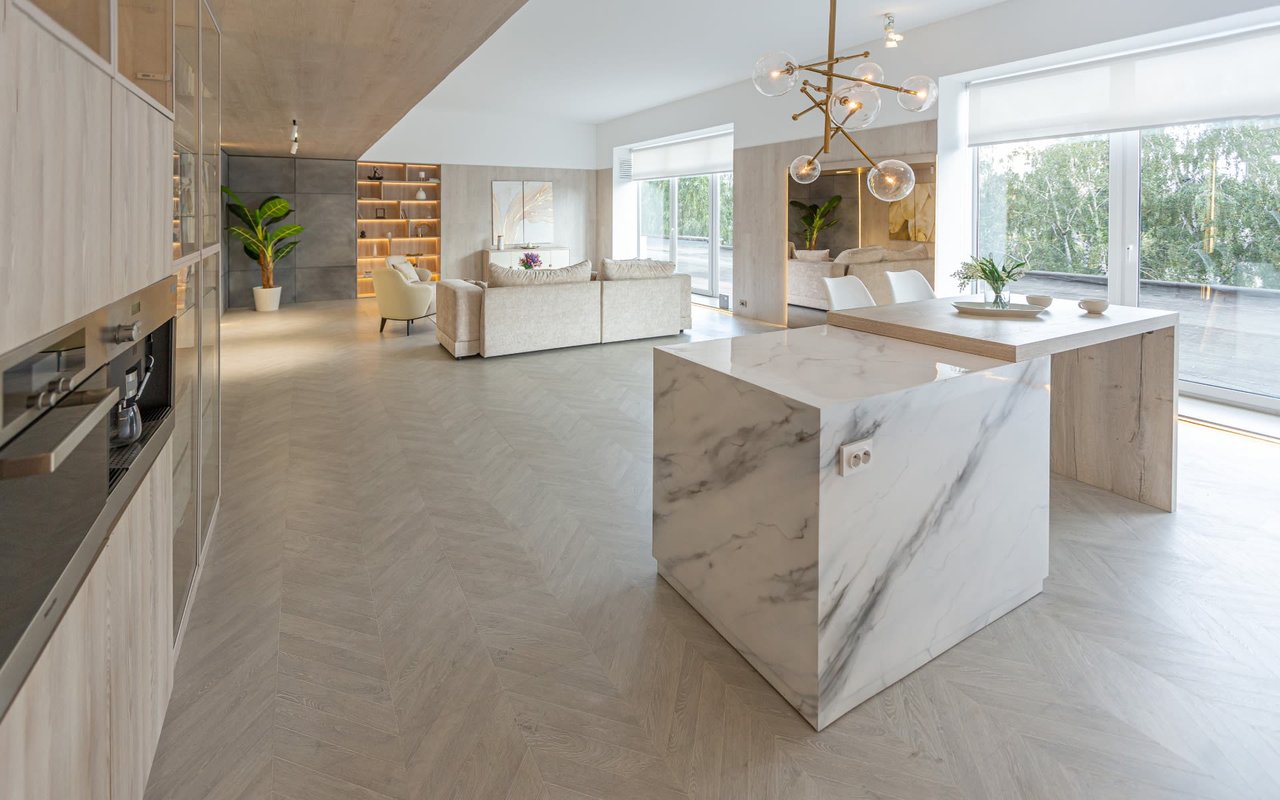
The Upper West Side offers a refined blend of historic charm and modern convenience, with real estate options ranging from classic pre-war co-ops and townhouses to full-service condos and new luxury developments. Whether you're drawn to the tree-lined elegance of West End Avenue, the vibrancy of Broadway, or the serene blocks near Riverside Drive, the neighborhood provides a broad range of inventory to suit varying lifestyles and needs.
With its excellent schools, cultural amenities, and enduring appeal, the Upper West Side remains one of Manhattan’s most stable and coveted real estate markets.
Buying and Renting Tips
For Buyers:
Work with a broker who specializes in pre-war co-ops, as board approval processes can be rigorous and time-consuming. Most buildings on the Upper West Side require substantial financial reserves—typically 2-3 years of maintenance fees in liquid assets post-closing—along with low debt-to-income ratios. Be prepared for lengthy application packages including personal references, financial statements, and board interviews.
Timing matters. Spring and fall see the most inventory, while summer can offer less competition. Buildings with Central Park or Riverside Park views command significant premiums, sometimes 20-30% above comparable units without views. Consider whether the premium aligns with your priorities and budget.
If you're considering a townhouse or brownstone, budget for ongoing maintenance and potential landmark designation restrictions. Many blocks between West 67th and West 89th Streets fall within historic districts, which can limit exterior modifications but preserve neighborhood character.
For Renters:
Rental inventory is most plentiful from May through September, when turnover is highest. Landlords typically require annual income of 40 times the monthly rent, along with credit checks and references. Many buildings have strict pet policies, so clarify restrictions upfront if you have animals.
Rent-stabilized apartments still exist in older buildings, particularly along Broadway and Amsterdam Avenue. These offer long-term value but may come with fewer amenities. Newer developments near Lincoln Square offer concessions during slower months—watch for deals on broker fees or first month free.
Ground-floor and basement units are significantly less expensive but may sacrifice light and quiet. Buildings on major corridors like Broadway experience more noise, while side streets between avenues offer greater tranquility. Visit properties at different times of day to assess traffic, light, and neighborhood activity.
Relocation Tips
Before You Arrive:
Research your preferred micro-neighborhood carefully. West End Avenue offers quiet, family-friendly blocks; Broadway provides walkability and retail density; Riverside Drive emphasizes green space and serenity. Each corridor has a distinct personality. Visit at different times—weekday mornings, weekend afternoons, and evenings—to understand the rhythm.
If you have school-age children, tour schools early and understand zoning boundaries. District 3 schools are in high demand, and some families apply to multiple public and private options simultaneously. Request information sessions at schools like P.S. 87, P.S. 199, or private institutions well in advance of your move.
Secure housing early. Competitive co-op boards can take 4-8 weeks to approve applications, and rental competition is fierce. Factor in time for paperwork, reference checks, and potential negotiations.
Upon Arrival:
Establish local accounts immediately. Sign up for Zabar's mailing list, get library cards at the Columbus or Bloomingdale branches of the New York Public Library, and register for community programs through Goddard Riverside or the JCC Manhattan. These connections ease the transition and build your network.
Explore your transportation options. Familiarize yourself with subway lines (1, 2, 3, B, C) and bus routes (M7, M11, M104) that serve the neighborhood. Many residents also bike—consider the Hudson River Greenway as a commuting option if you work downtown.
Join neighborhood groups on social media platforms or apps like Nextdoor to stay informed about local events, service recommendations, and community issues. The Upper West Side has an active civic culture, and residents are generally welcoming to newcomers seeking advice.
Introduce yourself to doormen, building staff, and local shopkeepers. The UWS values long-term relationships, and small gestures—learning names, supporting local businesses, participating in building events—go a long way in establishing yourself as part of the community.
Factors to Consider When Buying
Co-op vs. Condo Considerations:
Co-ops dominate the Upper West Side and typically have lower purchase prices than condos but higher monthly maintenance fees. These fees cover property taxes, building staff, insurance, and underlying mortgages. Review the building's financial statements carefully—assess reserve funds, pending assessments, and the percentage of sponsor-owned or rented units, which can affect board stability and financing options.
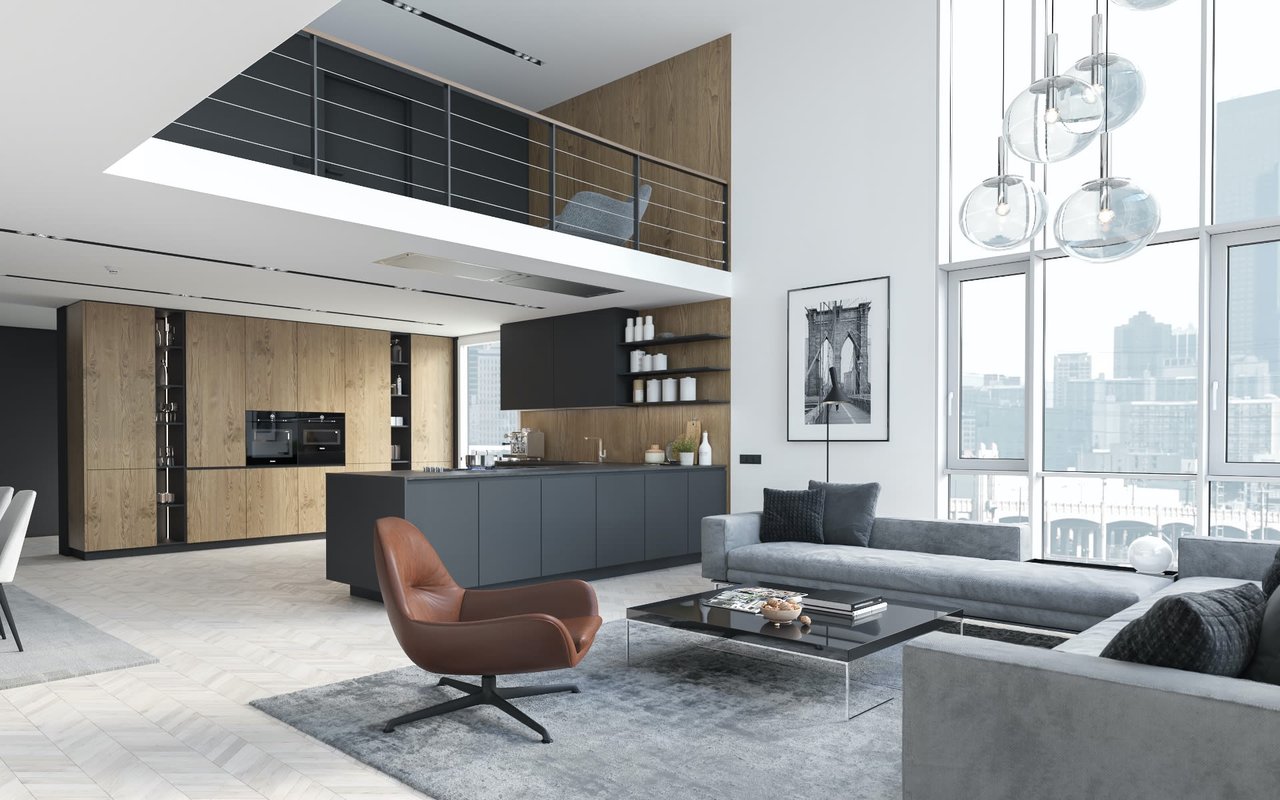
Condos offer more flexibility with renting and subletting but come at a premium. They're ideal for buyers who travel frequently, may relocate, or want fewer restrictions. New developments near Lincoln Square often include amenities like gyms, roof decks, and concierge services that older co-ops lack.
Property Age and Condition:
Most Upper West Side buildings date from the early 20th century. Inquire about recent capital improvements—roof replacements, façade work, elevator modernization, and HVAC updates. Buildings with deferred maintenance may face special assessments that can add thousands of dollars annually to your costs.
Landmarked buildings and those in historic districts offer architectural charm but may restrict renovations. Confirm alteration policies with the co-op board or condo association before purchasing if you plan significant interior changes.
Parking and Storage:
Parking is limited and expensive. Monthly garage rates range from $400-$700, and some buildings offer indoor parking for additional fees or waitlists. If you own a car, confirm availability before committing. Street parking requires permits and patience, especially during street cleaning days.
Storage is equally competitive. Many buildings have basement storage for bikes, seasonal items, and luggage, but spaces fill quickly. Private storage facilities exist nearby but add to monthly expenses.
Noise and Environmental Factors:
Proximity to major streets (Broadway, Amsterdam, Columbus) brings noise from traffic, delivery trucks, and nightlife. Upper floors mitigate some sound, but windows facing courtyards or side streets offer the most peace. Buildings near subway lines (especially express stops) may experience vibrations.
Flood risk is minimal on the Upper West Side given its elevation, but basement and ground-floor units near Riverside Park or along low-lying streets should confirm drainage systems and insurance coverage. Wildfire risk is nonexistent in Manhattan.
School Zoning:
School zones are hyperlocal and can significantly affect property values. Confirm your address falls within your desired school's catchment area. Some families buy in specific zones (P.S. 199, P.S. 87) specifically for school access, and demand in these zones drives prices upward.
Market Speed and Competition:
Well-priced units in desirable buildings move quickly, often within weeks. Lowball offers rarely succeed. Work with a knowledgeable broker who understands building reputations, board preferences, and recent comparable sales. Be prepared to act decisively when the right property appears.
Factors to Consider When Selling
Seasonality:
Spring (March-June) and early fall (September-October) are peak selling seasons. Families target spring to coordinate with school calendars, while fall attracts buyers who missed summer vacations. Listing during these windows maximizes visibility and competitive offers.
Winter listings (November-February) face less competition but also fewer buyers. However, winter buyers tend to be more serious and motivated, which can lead to faster closings. Summer slowdowns (July-August) occur as buyers vacation, though pricing aggressively during this period can attract serious prospects.
Pricing Strategy:
Overpricing is the most common mistake. Upper West Side buyers are sophisticated and compare listings rigorously. Price within 5-10% of recent comparable sales in your building or block. Buildings with strong financials, recent updates, and low flip taxes command premiums.
Underpricing slightly can generate bidding wars, especially for well-maintained, move-in-ready units. Work with your broker to analyze absorption rates, days on market, and price per square foot trends within your specific corridor (West End vs. Broadway vs. Riverside Drive).
Staging and Presentation:
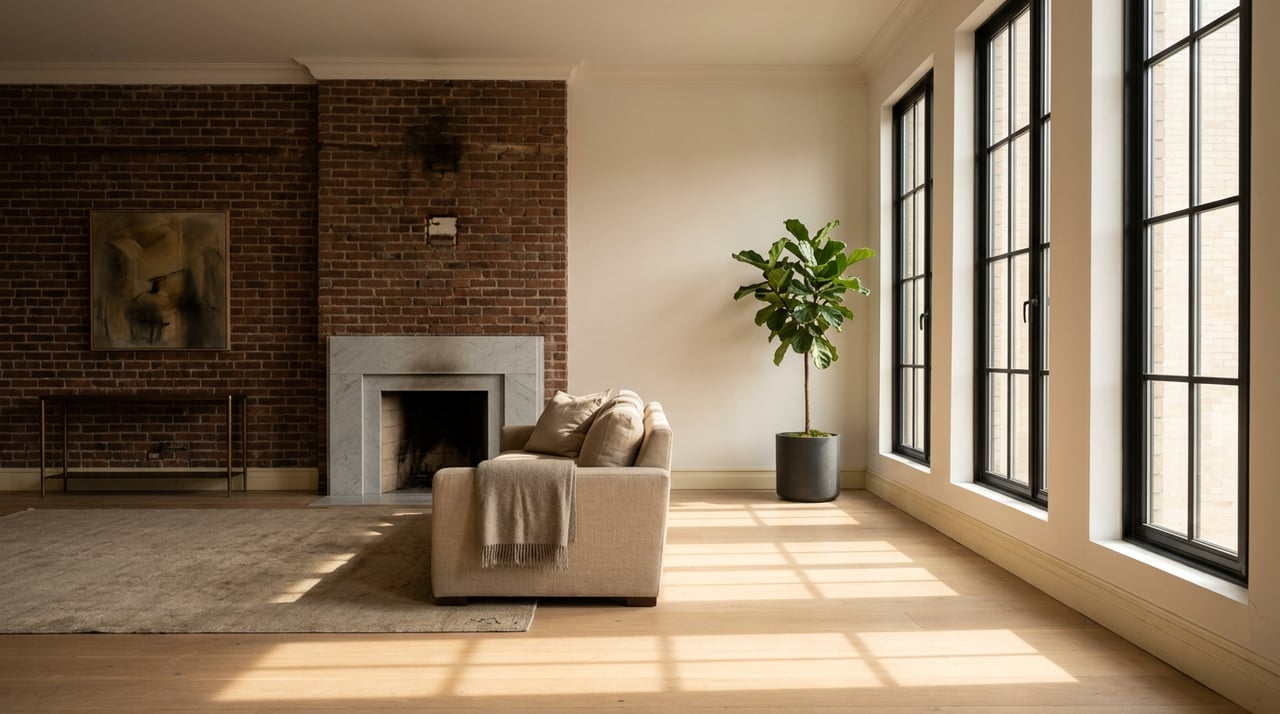
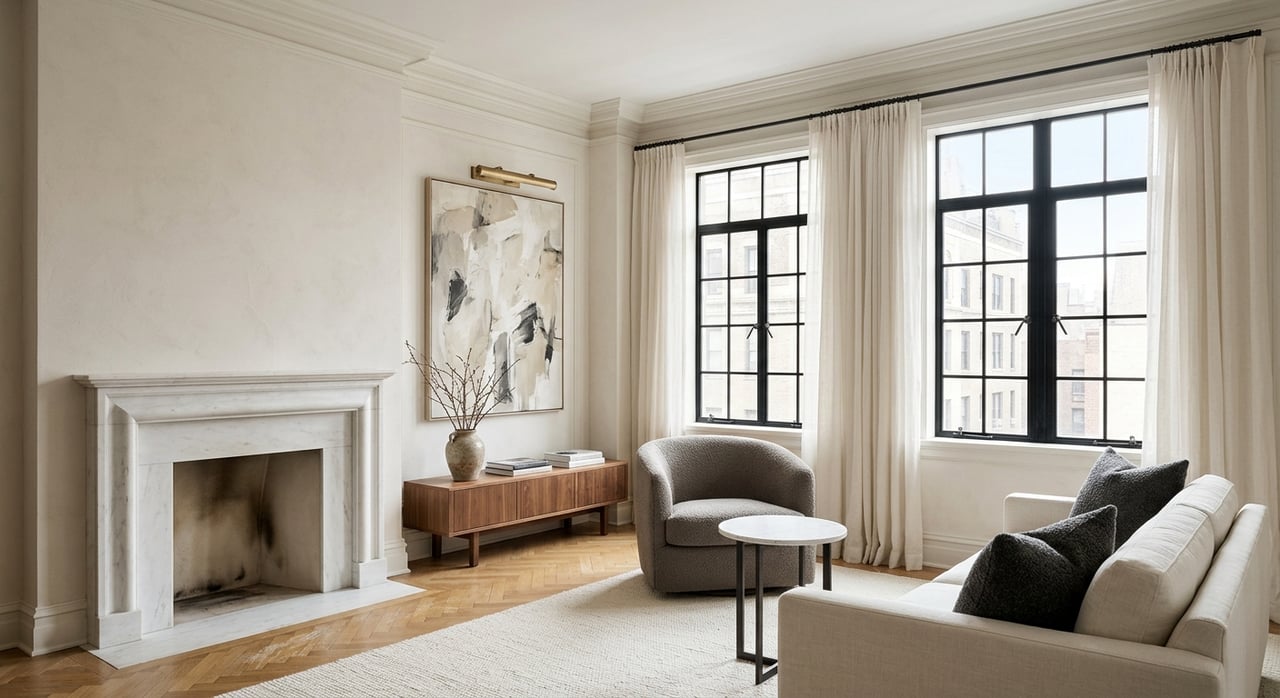
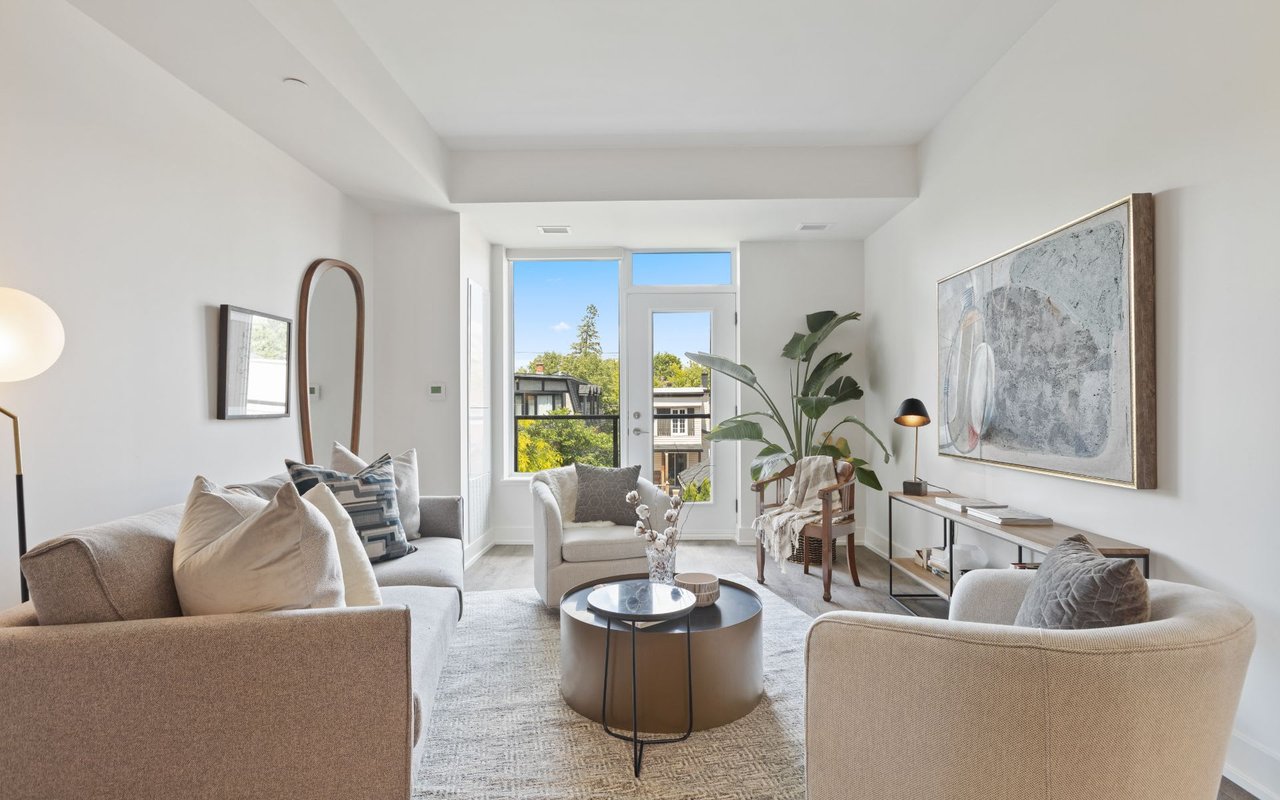
Staging matters significantly in pre-war buildings, where room layouts and finishes may feel dated. Neutral palettes, decluttered spaces, and modern lighting help buyers envision themselves in the home. Highlight original details—moldings, hardwood floors, high ceilings—while minimizing wear.
Professional photography is essential. Emphasize views (park, river, skyline) and natural light. Virtual tours became standard during COVID and remain expected, especially for out-of-town buyers or initial screenings.
Buyer Demographics:
Your typical buyer is a family seeking space and schools, a professional downsizing from a larger home, or a longtime New Yorker trading up. Tailor your marketing accordingly. Emphasize proximity to parks, schools, and cultural institutions. Highlight storage, outdoor space, and building amenities if available.
International buyers are less common on the UWS than in areas like Midtown or Downtown, but they do appear for trophy properties on Central Park West or landmark buildings with name recognition.
Upgrades That Add Value:
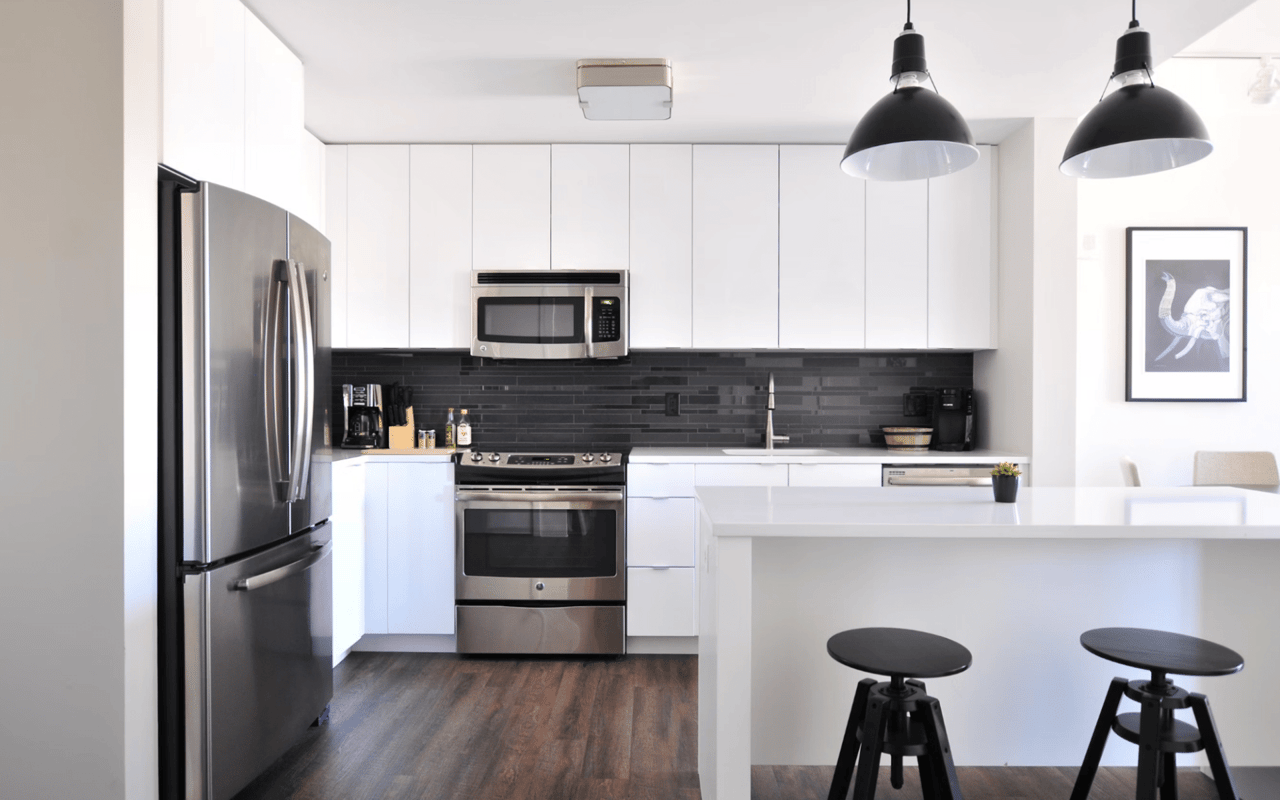
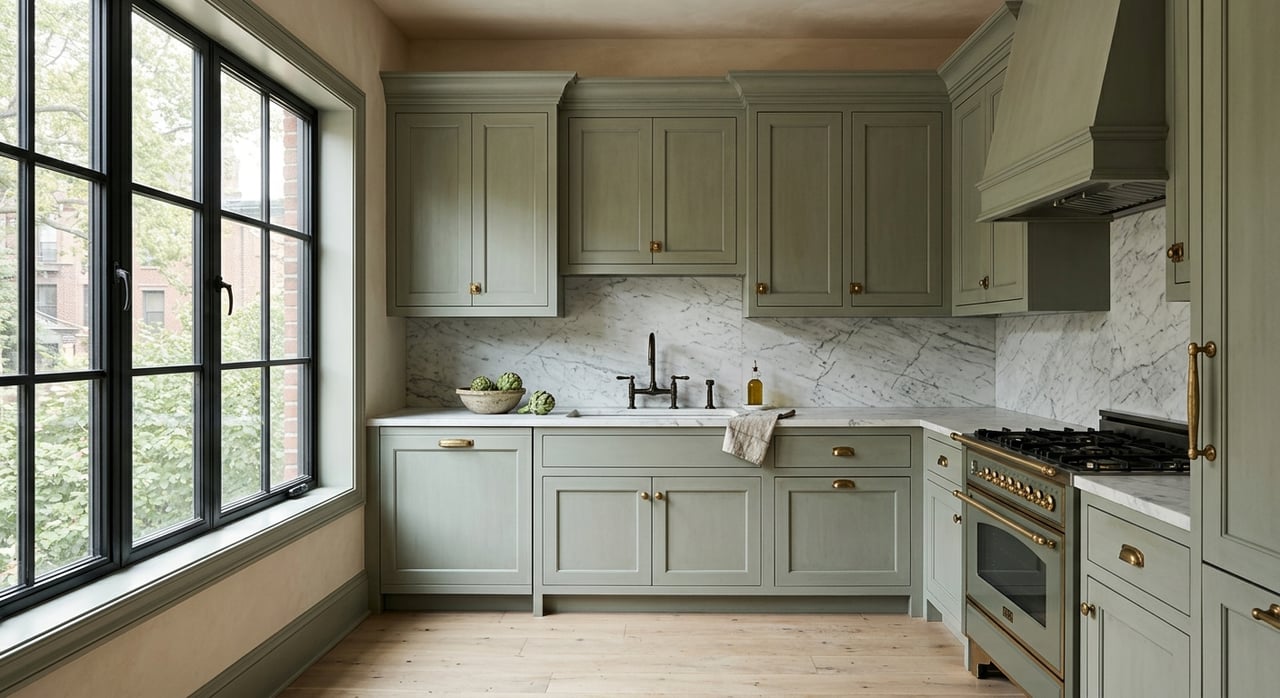
Kitchen and bathroom renovations yield the highest returns, especially when original fixtures are outdated. Modern appliances, stone countertops, and updated cabinetry appeal to buyers unwilling to undertake immediate renovations.
Central air conditioning or in-unit washer-dryers significantly increase desirability, as many pre-war buildings lack these. If your building allows it and you've installed these, highlight them prominently.
Adding closet space, built-ins, or optimizing layouts also resonates with buyers. Hardwood floor refinishing, fresh paint, and updated lighting are cost-effective improvements that enhance showings.
Avoid over-personalizing or niche renovations that don't align with neighborhood aesthetics. Ultra-modern, industrial, or overly bold design choices can alienate traditional UWS buyers who value classic elegance.
Co-op Board Considerations:
If selling a co-op, understand your building's board reputation. Buildings with notoriously difficult boards may deter buyers or slow sales. Communicate openly with your broker about board requirements, interview processes, and approval timelines so buyers know what to expect.
Some boards have flip taxes (1-3% of sale price), transfer fees, or restrictions on financing that affect net proceeds. Factor these into your pricing and negotiation strategy from the outset.
Architectural Styles in Upper West Side
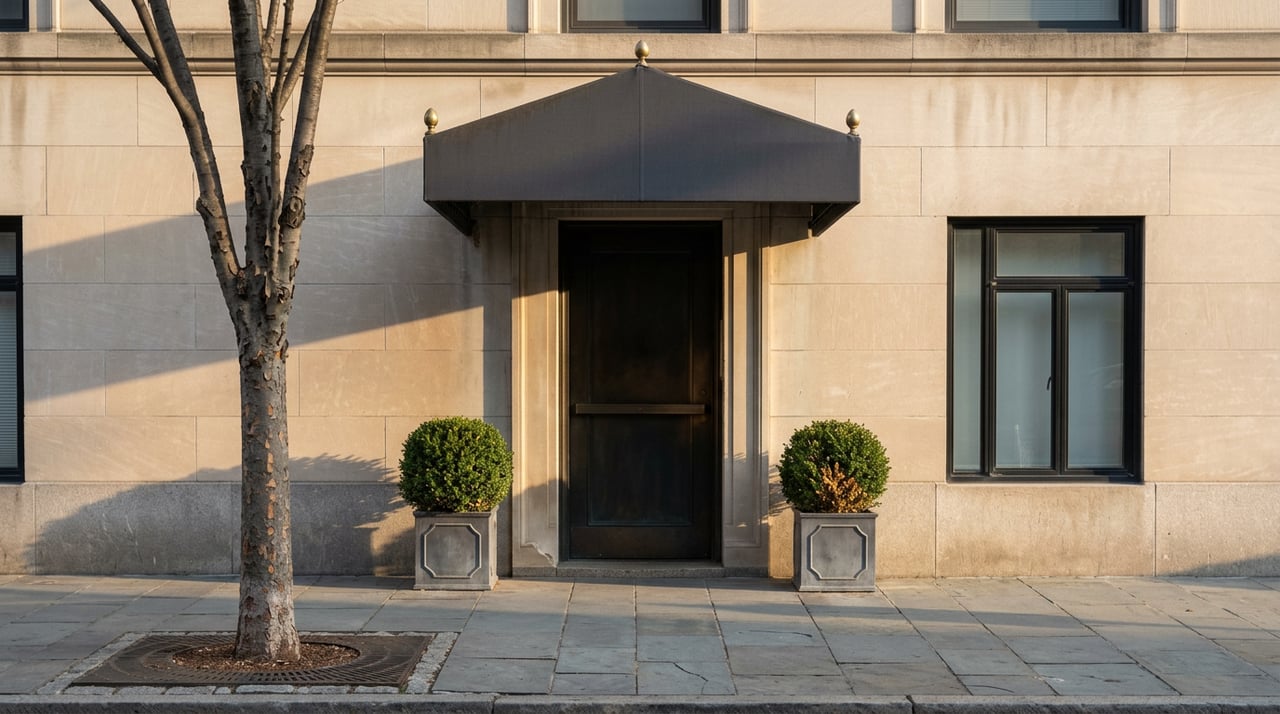
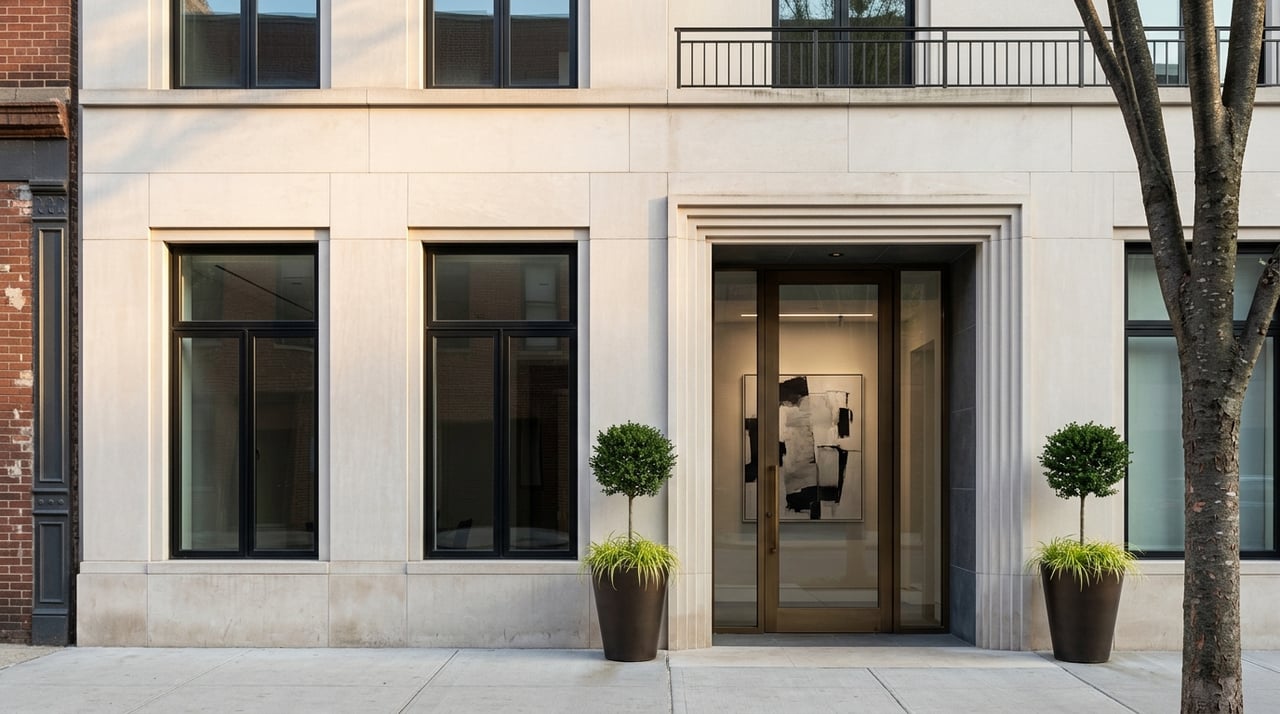
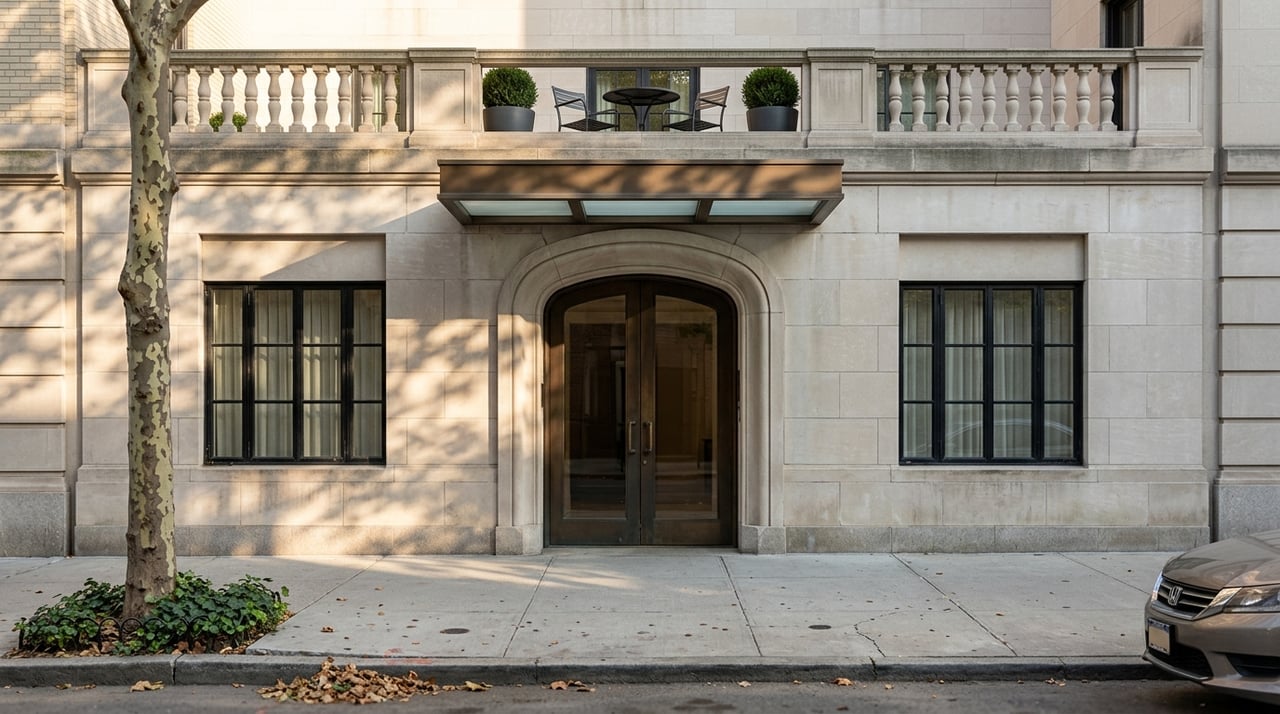
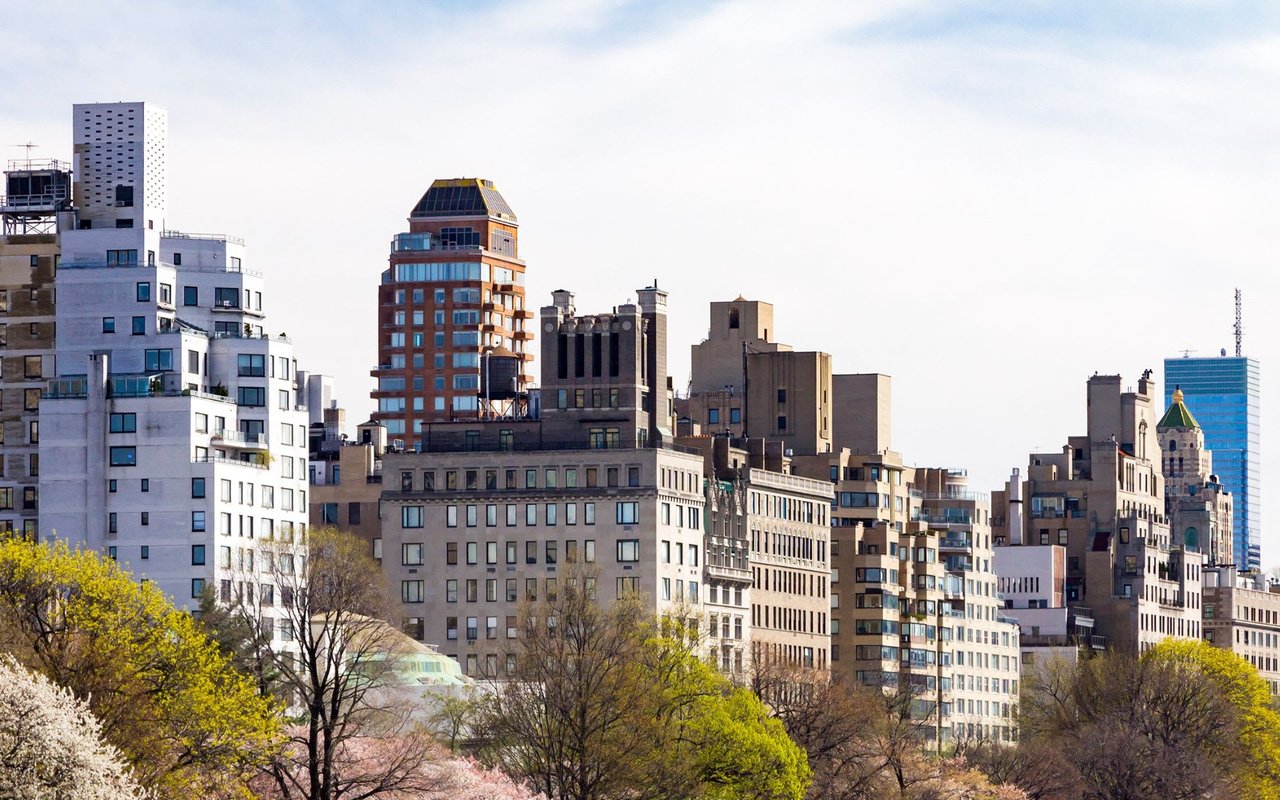
The Upper West Side features a rich architectural wonders that reflects over a century of design evolution. Iconic pre-war buildings dominate much of the streetscape, especially along West End Avenue, where Beaux-Arts, Neo-Renaissance, and Art Deco styles define the classic co-op lifestyle. Many of these residences were designed by noted architects such as Emery Roth, Rosario Candela, and Schwartz & Gross, whose work shaped early 20th-century Manhattan luxury living.
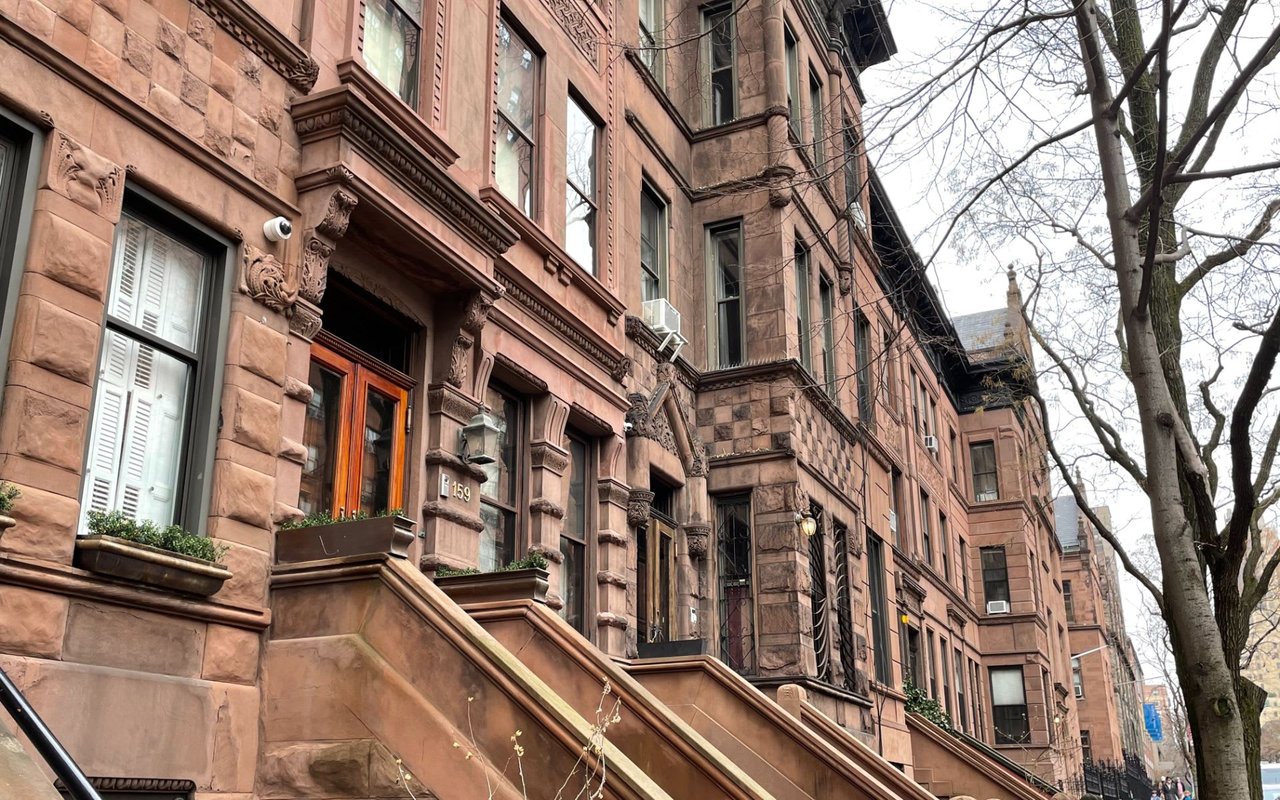
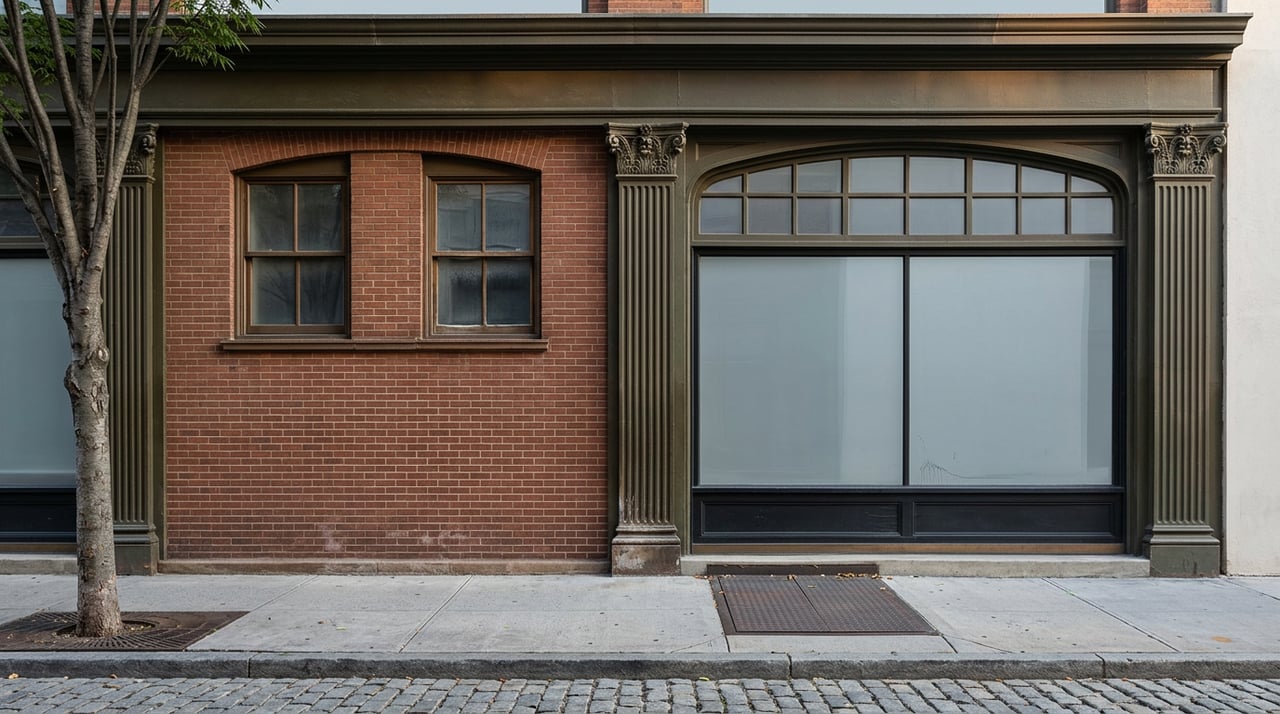
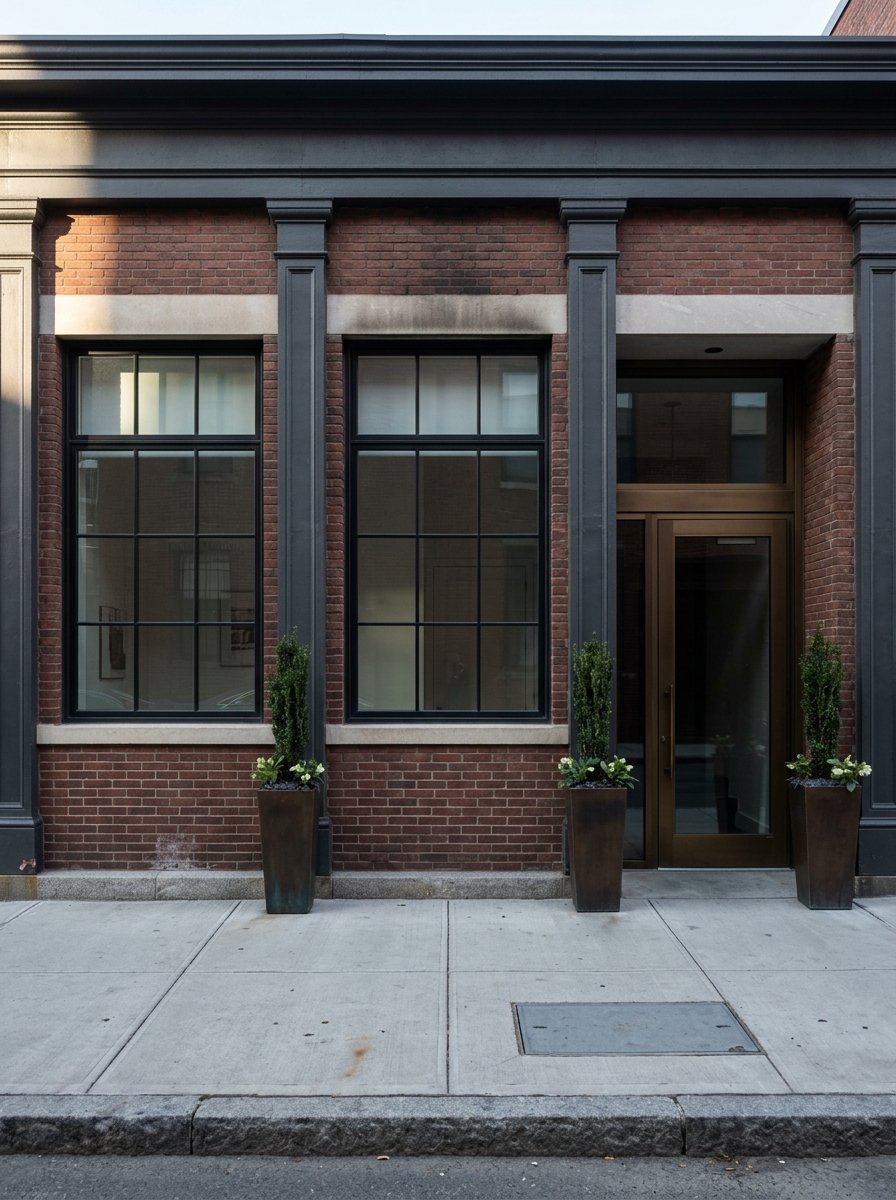
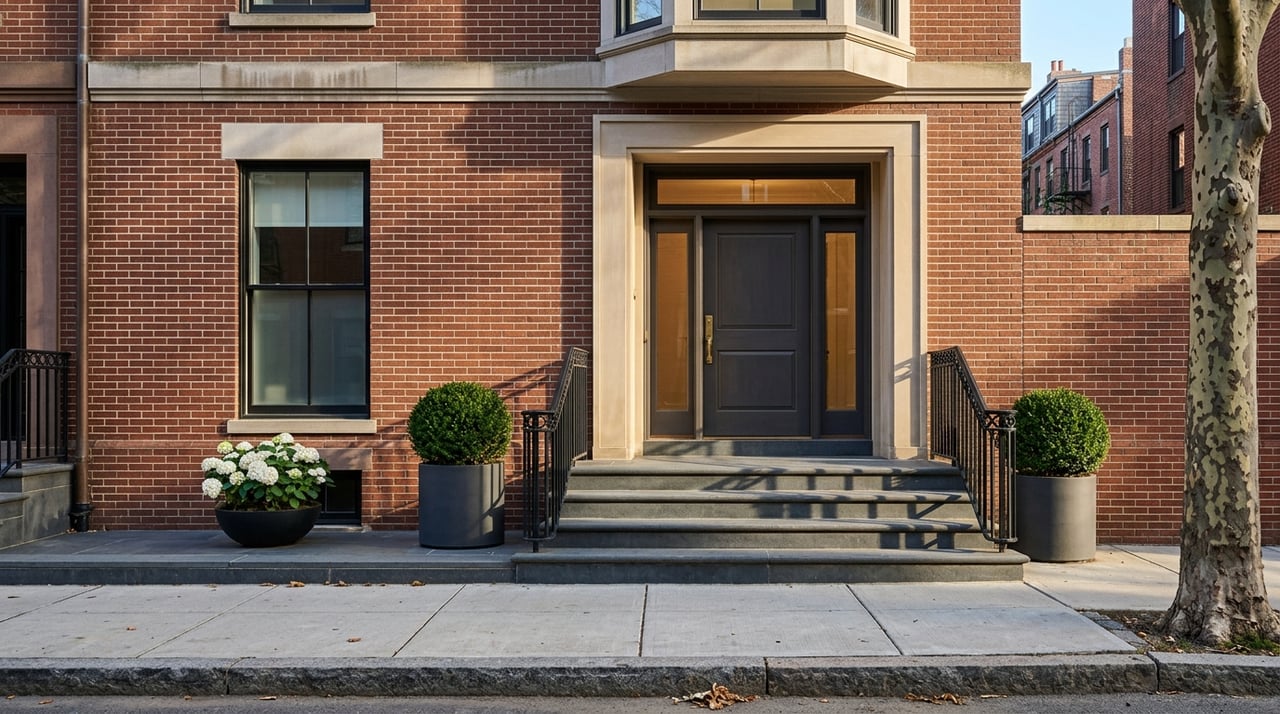
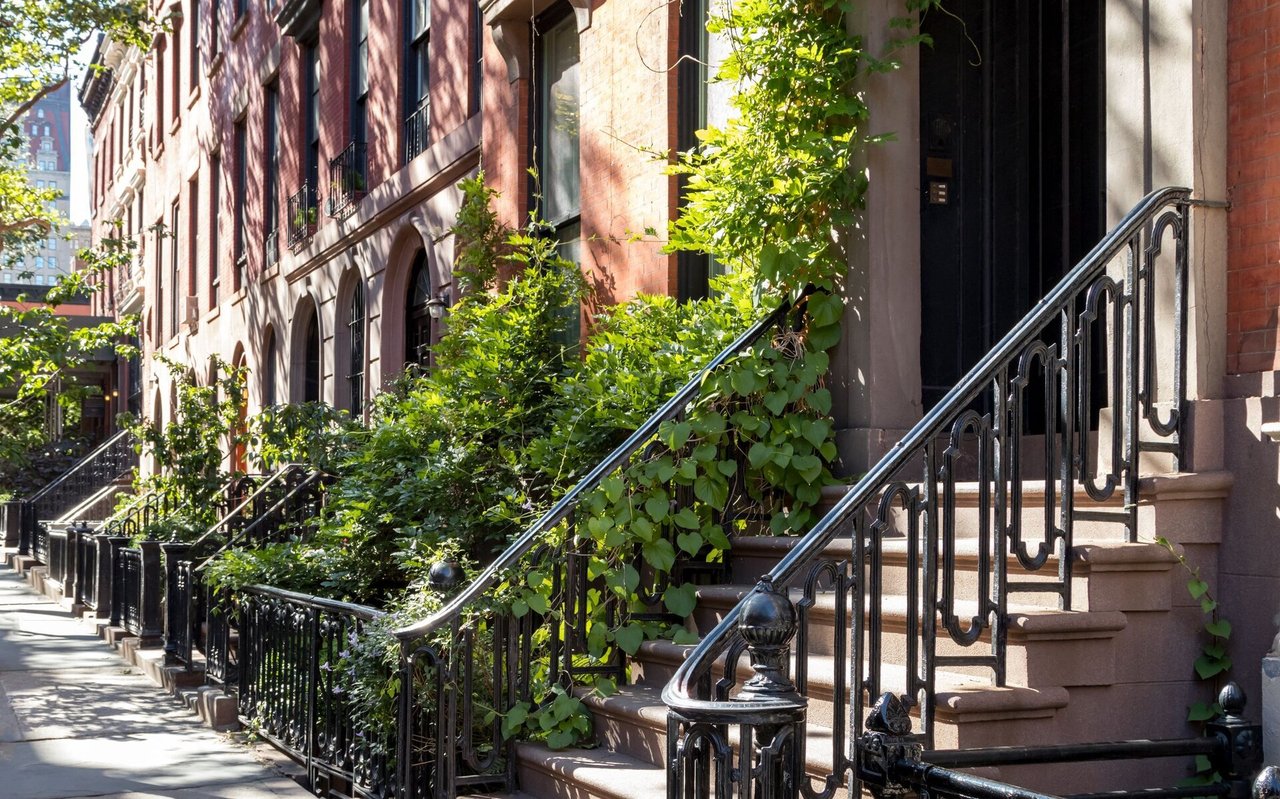
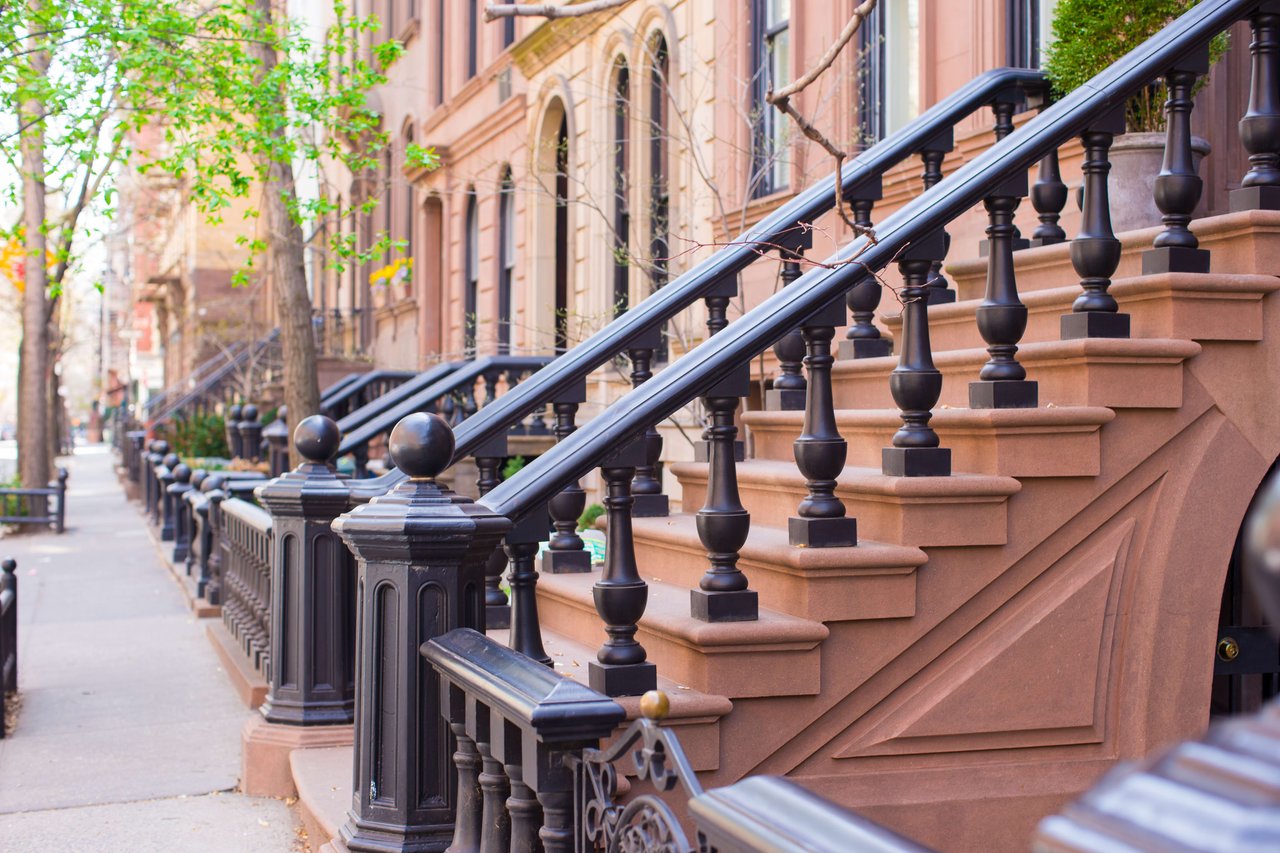
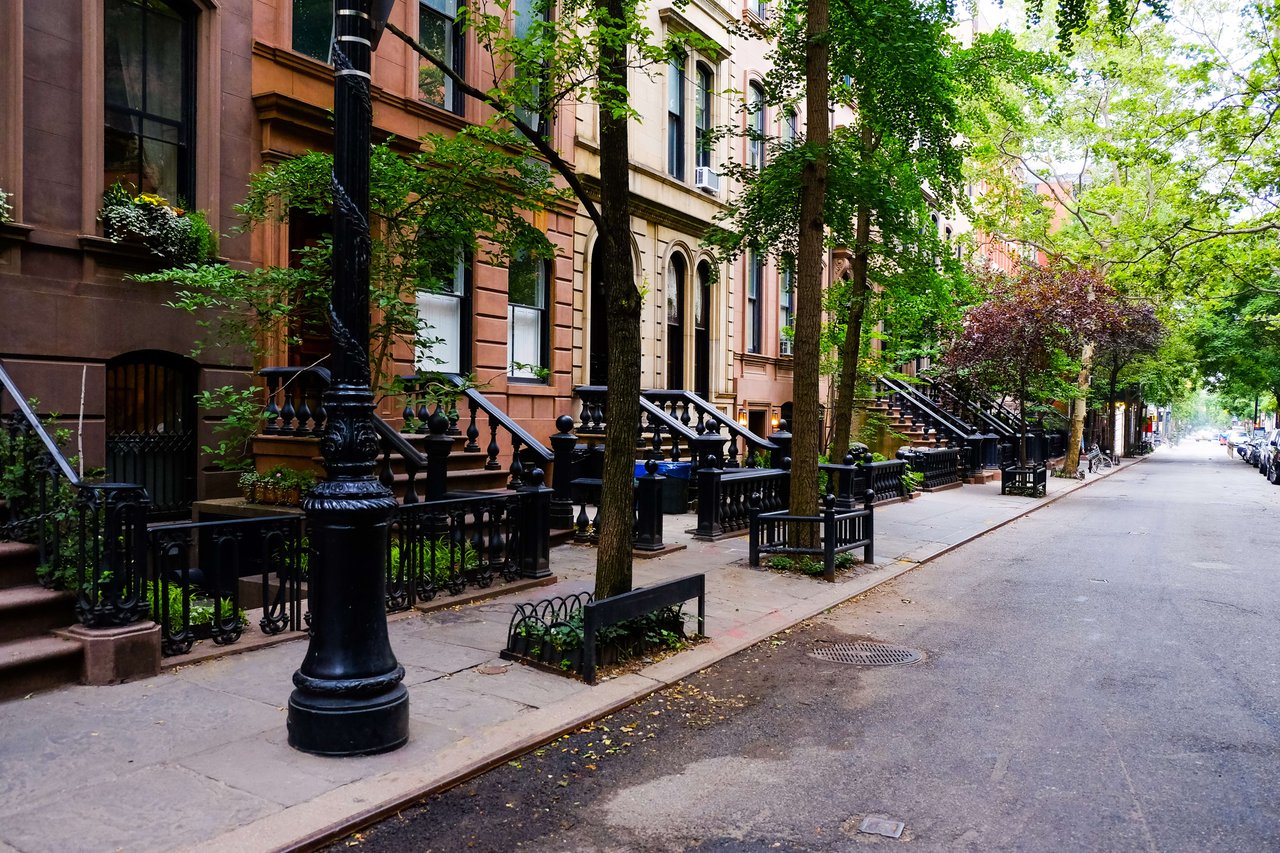
Townhouses and brownstones, especially around West 70s to 80s, showcase Romanesque Revival, Queen Anne, and Neo-Grec designs with intricate stonework, stoops, and cornices. Along Central Park West, grand residential buildings like The Dakota and The San Remo (designed by Candela) exemplify Renaissance Revival and twin-towered setbacks, a signature of pre-war grandeur.
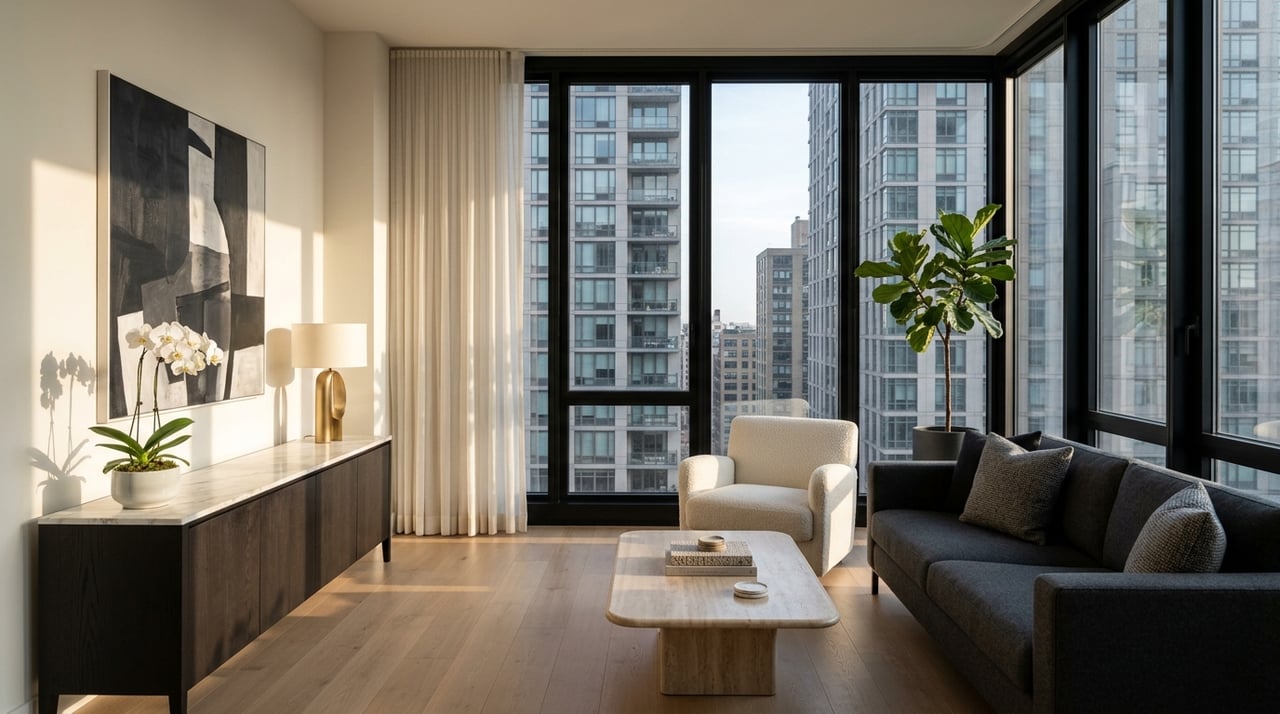
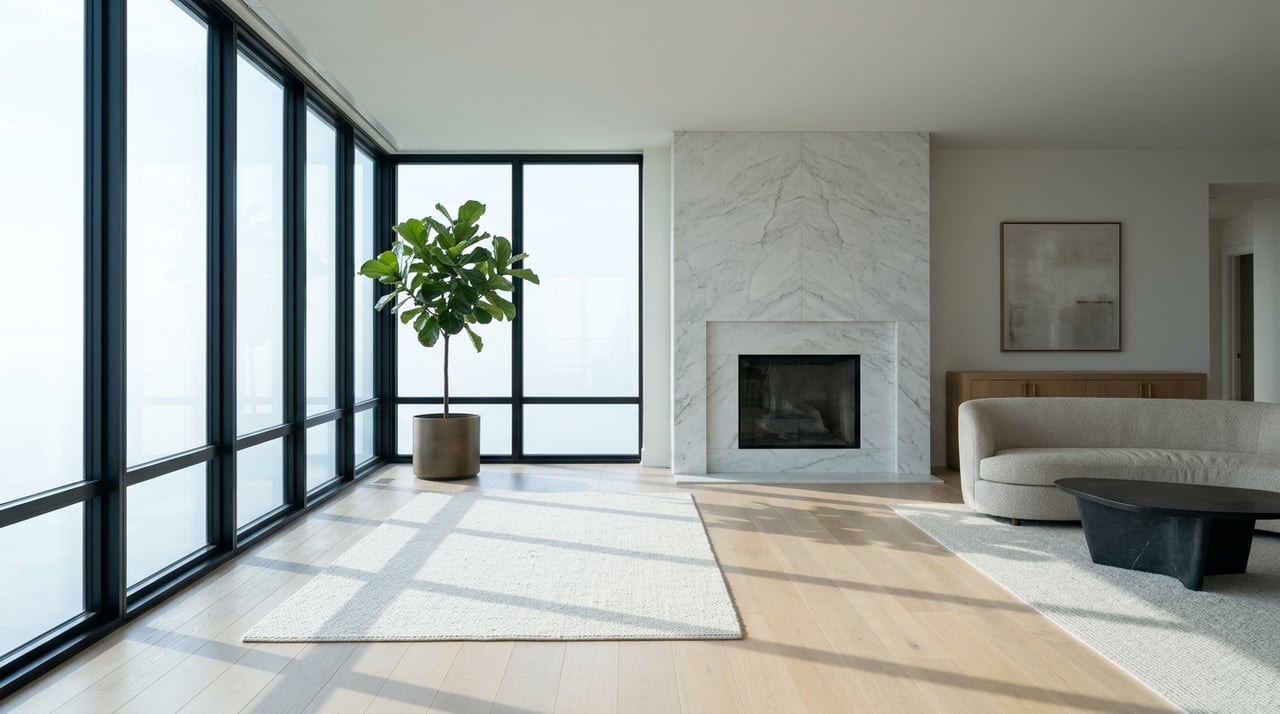
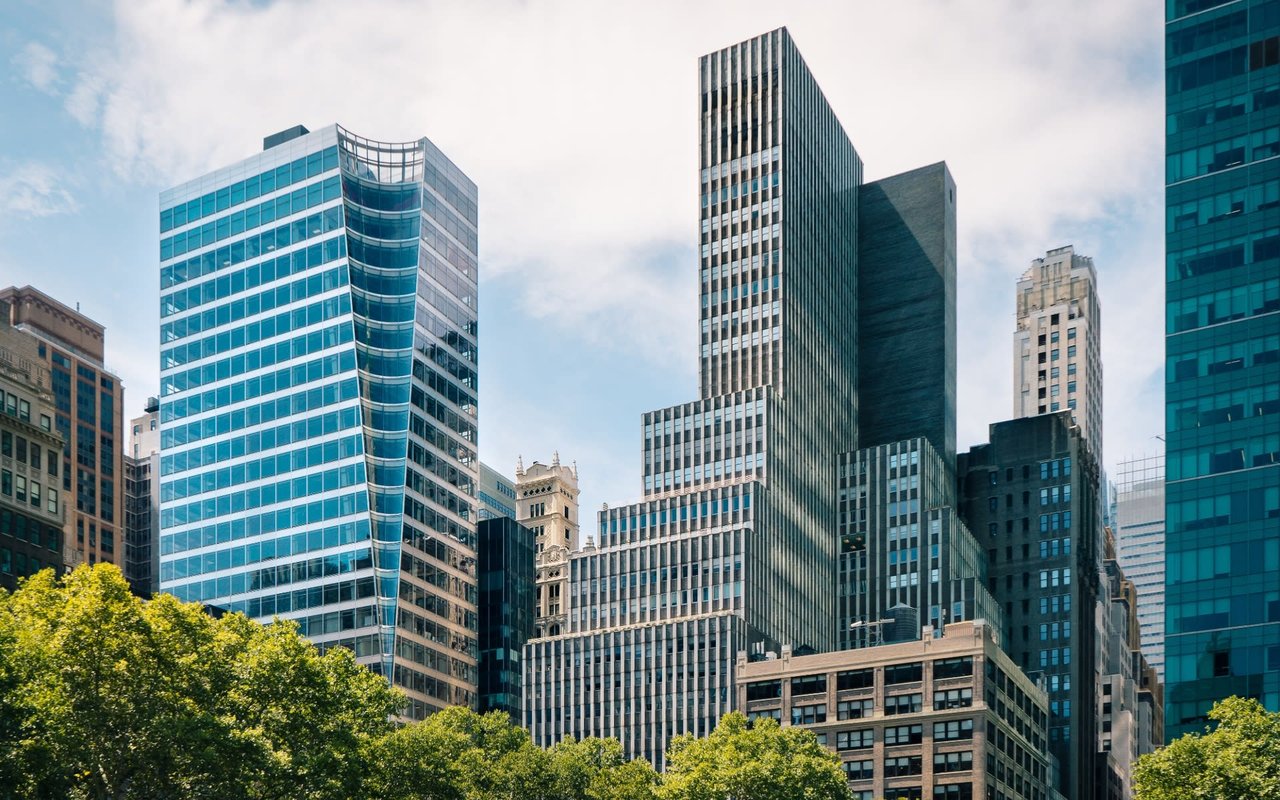
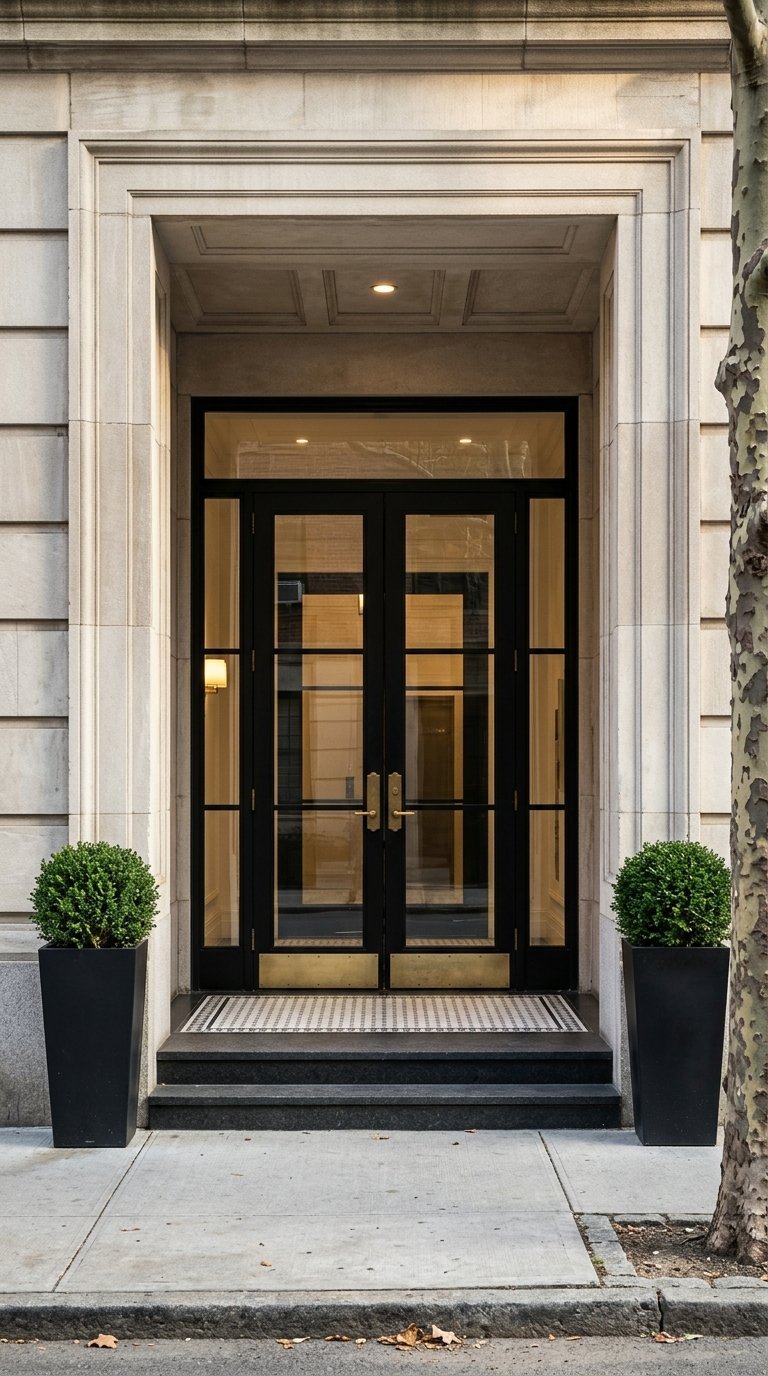
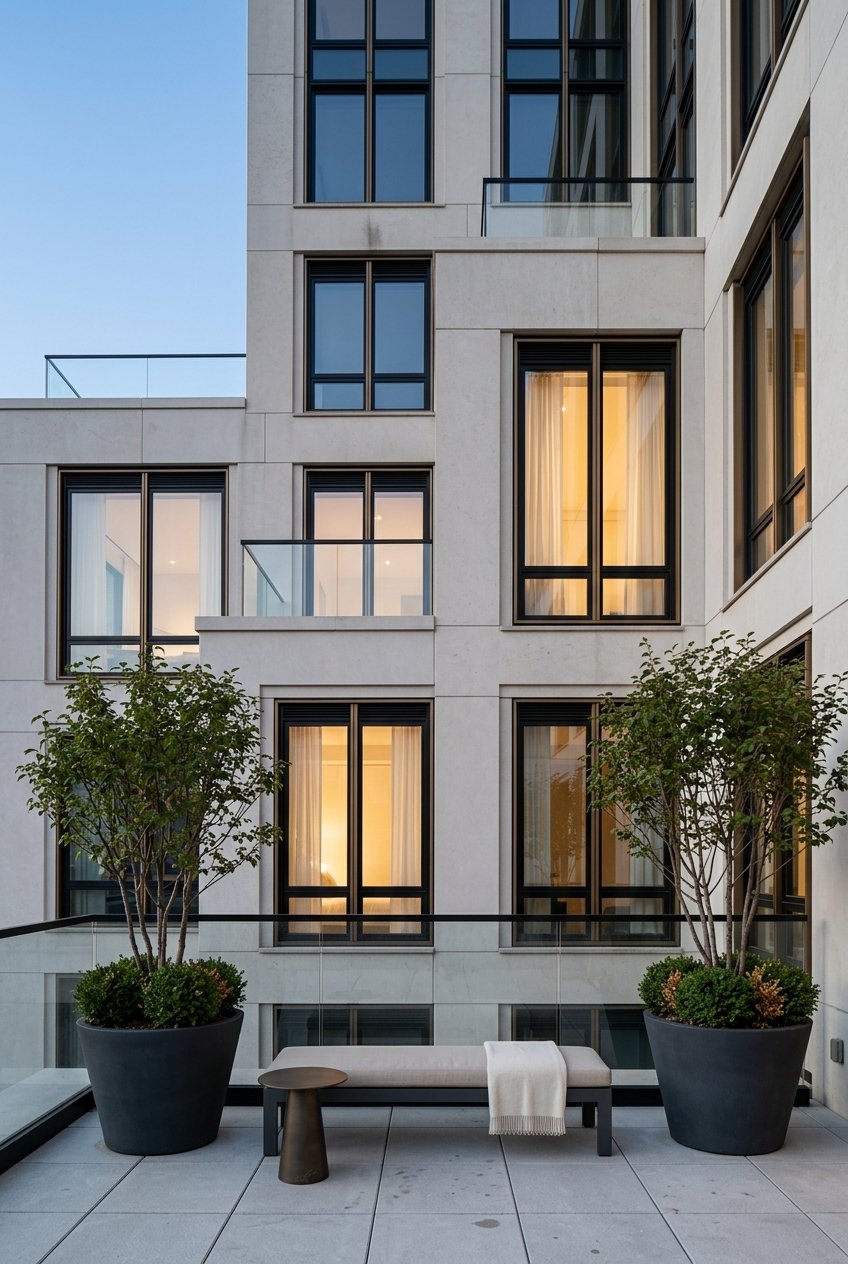
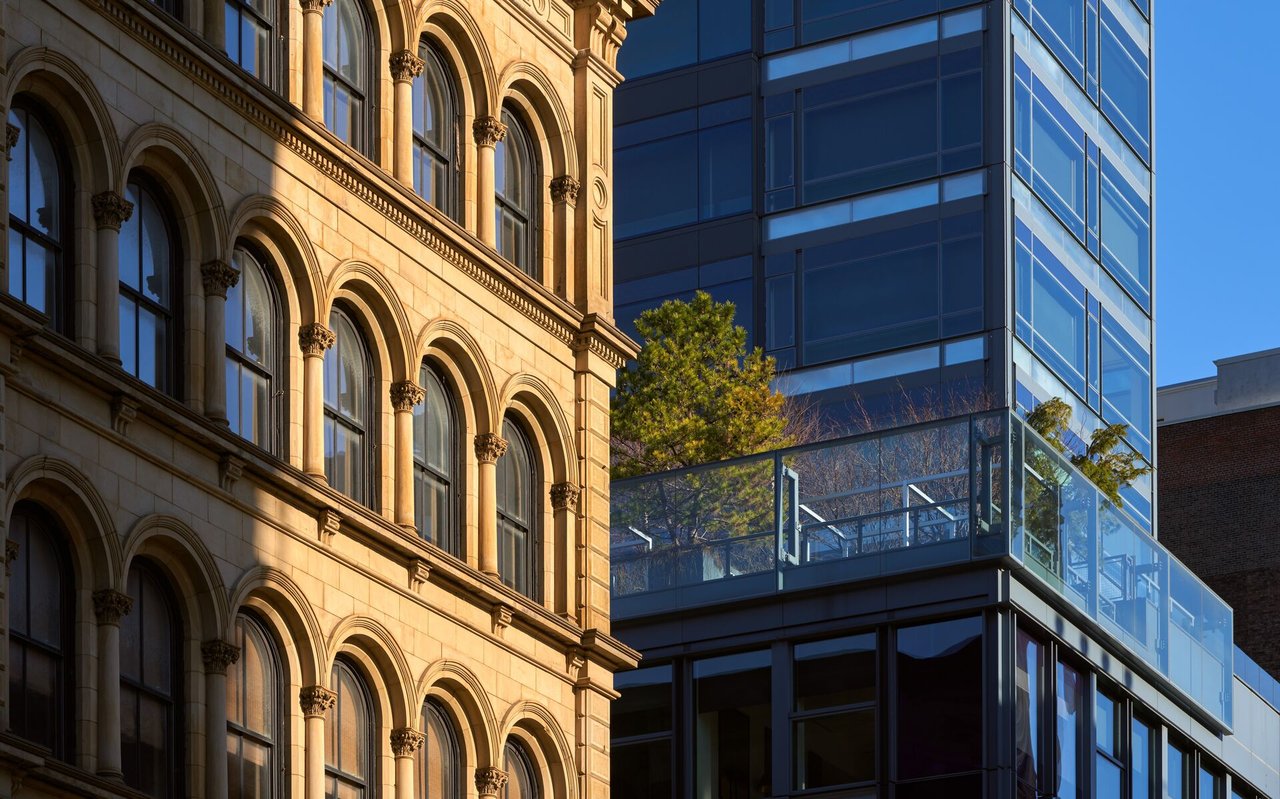
In recent decades, the neighborhood has also welcomed contemporary glass towers and contextual infill developments, particularly near Lincoln Square, blending modern materials with historic scale. This architectural diversity supports a wide range of style-based buyer preferences, from heritage charm to modern minimalism.
Most Coveted Streets & Estates
The Upper West Side is home to some of Manhattan’s most desirable micro-locations, each with its own character and cachet. Central Park West is the crown jewel, lined with landmark buildings like The Dakota, The Eldorado, and The Beresford, offering sweeping park views and historic prestige. Residences here attract celebrities, executives, and longtime New Yorkers seeking exclusivity.
West End Avenue is favored for its quiet elegance and consistent pre-war architecture, appealing to those who value classic design and community feel. Riverside Drive offers a more tranquil, scenic setting with river views and access to Riverside Park, ideal for buyers prioritizing green space and privacy.
Among the most coveted streets are West 67th Street, known as the “Artists’ Colony” for its historic artist studio buildings; West 76th and West 78th Streets, celebrated for their architectural continuity; and West 80s between Columbus and Amsterdam, offering brownstone-lined blocks with a tight-knit, residential vibe.
Who Is the Upper West Side For?
The Upper West Side appeals to those seeking a balanced urban lifestyle rooted in culture, community, and classic New York charm. It's ideal for:
- Families, thanks to top-rated schools, abundant parks, and a safe, residential atmosphere.
- Professionals, who value easy access to Midtown, a quiet home base, and refined local amenities.
- Academics and creatives, drawn to nearby institutions like Columbia University and Lincoln Center.
- Longtime New Yorkers, who appreciate the neighborhood's stability, heritage architecture, and civic-minded culture.
Whether you're raising a family, pursuing a career, or simply craving a well-rounded neighborhood with timeless appeal, the Upper West Side offers a welcoming, livable experience.