Billionaire's Row Manhattan, NY Luxury Real Estate
Billionaire's Row, located in midtown Manhattan, New York, is a neighborhood famous for its luxurious high-rise buildings and celebrity residents.
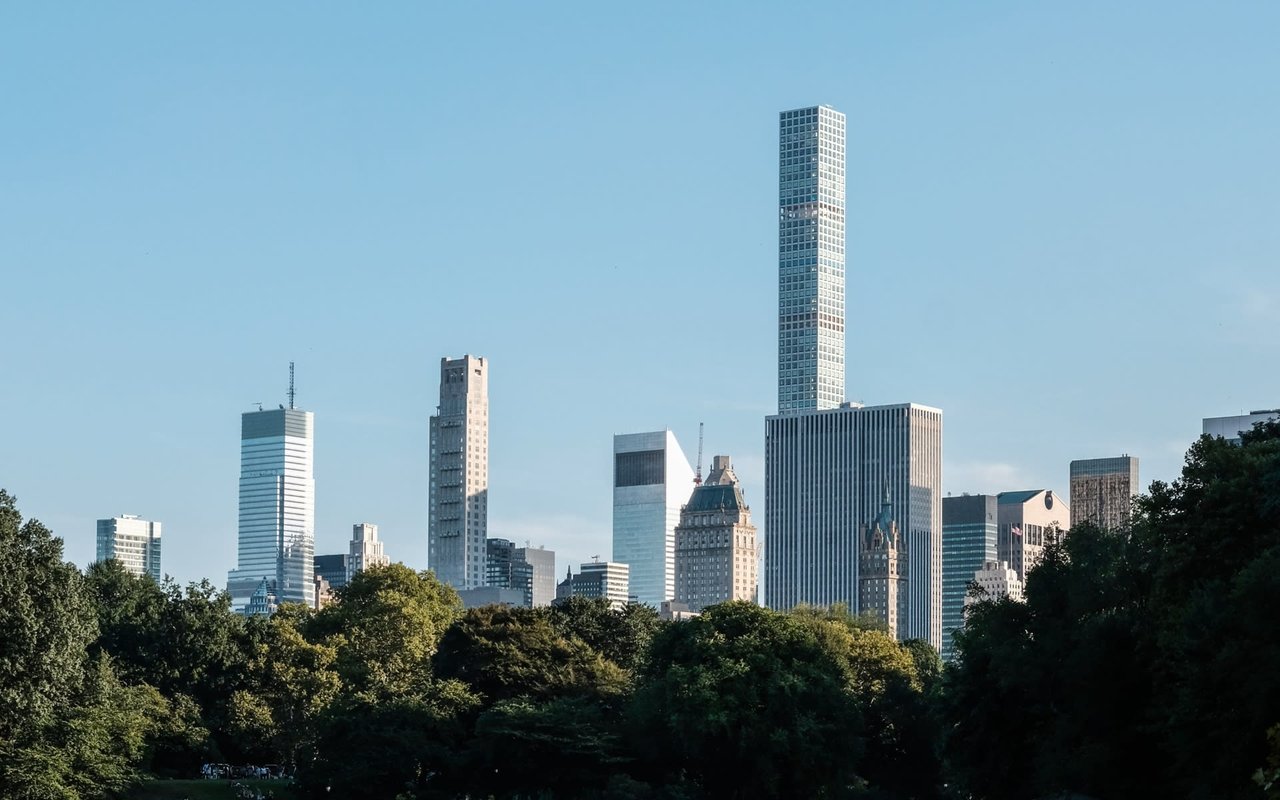
Billionaire's Row, located in midtown Manhattan, New York, is a neighborhood famous for its luxurious high-rise buildings and celebrity residents.
315,772 people live in Billionaire’s Row, where the median age is 39 and the average individual income is $123,164. Data provided by the U.S. Census Bureau.
Total Population
Median Age
Population Density Population Density This is the number of people per square mile in a neighborhood.
Average individual Income
Lavish city living among luxury skyscrapers and unparalleled amenities
Billionaire's Row is not a neighborhood in the traditional sense — there are no bodegas, no corner playgrounds, no regulars at the local diner. It is something far rarer: a vertical enclave, a skyline statement, and a global financial instrument wrapped in glass and limestone, all concentrated along the southern edge of Central Park on and around 57th Street in Midtown Manhattan.
The term refers to a cluster of "supertall" residential skyscrapers — towers exceeding 1,000 feet — that began reshaping New York's skyline in earnest around 2014. What makes this corridor unlike any other address on earth is the convergence of extreme altitude, extreme scarcity, and extreme proximity to one of the world's great urban parks. You are not simply buying an apartment here. You are buying a position — physically, financially, and socially — at the very top of one of the most competitive real estate markets in history.
For many owners, these residences function as pieds-à-terre: secondary homes and safe-haven assets that hold value across economic cycles. For a smaller, growing segment, they are becoming something more — a genuine full-time address in the cultural and financial center of the world.
Billionaire's Row runs along West 57th Street in Midtown Manhattan, stretching roughly from Columbus Circle in the west to Park Avenue in the east, hugging the southern edge of Central Park. It is not an officially designated district but a corridor defined by its supertall residential towers — and its single most valuable geographic asset is that it sits directly on the park's southern border, at the seam between Midtown and the Upper East Side.
To orient yourself on a map: Central Park lies to the north, its 59th Street gates just steps from the primary buildings. Columbus Circle and the Deutsche Bank Center anchor the western end, opening toward the Hudson River and Lincoln Center. Fifth and Madison Avenues run along the eastern edge, where the corridor bleeds into the Upper East Side's Museum Mile. And Midtown's business core sits immediately to the south. The two subway stations that bookend the Row — 57th St–7th Ave and 59th St–Columbus Circle — trace its width almost exactly.
The address most people picture — 220 Central Park South, Central Park Tower, 111 West 57th, 432 Park Avenue — falls within this compact stretch, which is why "57th Street" and "Billionaire's Row" are often used interchangeably.
Billionaire's Row apartments sit at the intersection of Midtown and Midtown West, with the corridor's western towers around Columbus Circle falling squarely within Midtown West and its eastern buildings toward Fifth Avenue reading as classic Midtown Manhattan. For buyers searching by neighborhood rather than by building, this is the practical answer: the supertall residences on and around 57th Street are Midtown apartments in the truest sense — walking distance to Central Park, Carnegie Hall, MoMA, and the Fifth Avenue retail spine.
The apartments themselves range from two-bedroom residences beginning around $5M to full-floor and duplex trophy units well into nine figures. The buildings closest to Columbus Circle — Central Park Tower, 220 Central Park South, and the Deutsche Bank Center residences — occupy the Midtown West end of the corridor, while 432 Park Avenue and 53 West 53 anchor the eastern, more traditionally Midtown side. The Architecture and Real Estate sections below break down what distinguishes each building and where the current value sits.
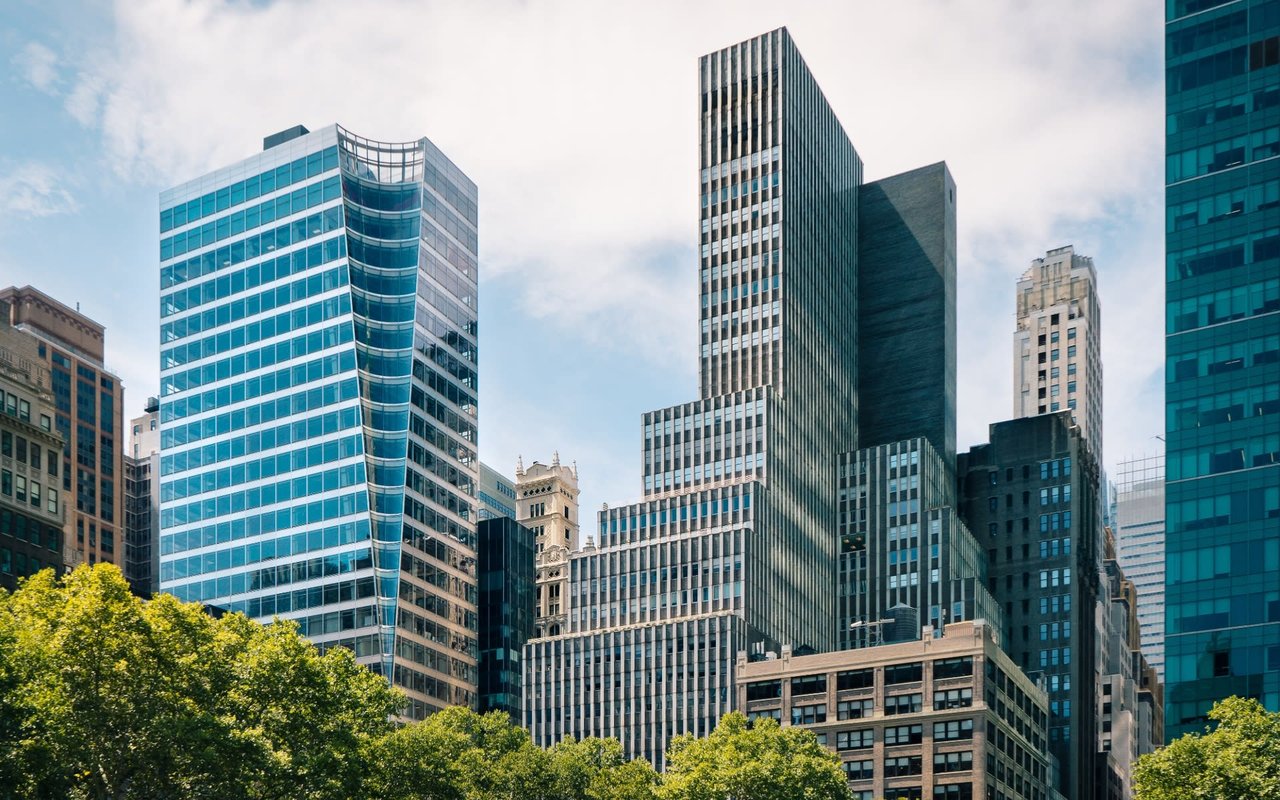
The towers of Billionaire's Row represent the most concentrated display of supertall residential architecture anywhere on the planet. Each one is distinct, and understanding their differences matters whether you are buying for lifestyle or investment.
The Iconic Four — and what sets them apart:
Building | Height | Architect | Defining Character |
|---|---|---|---|
Central Park Tower | 1,550 ft | Adrian Smith + Gordon Gill | World's tallest residential building; floor-to-ceiling glass, maximalist views |
111 West 57th (Steinway Tower) | 1,428 ft | SHoP Architects | World's thinnest skyscraper; terra-cotta and bronze façade over historic Steinway Hall |
432 Park Avenue | 1,396 ft | Rafael Viñoly | Pure geometric minimalism; inspired by a 1905 Joseph Hoffmann trash can |
220 Central Park South | 952 ft | Robert A.M. Stern | Alabama limestone, pre-war elegance — the antithesis of glass modernism |
Beyond these anchors, 53 West 53 (the MoMA Tower), designed by Jean Nouvel, features a dramatic exterior diagrid structure that tapers as it rises above the Museum of Modern Art — making it the corridor's most visually complex building from street level.
What enables these pencil-thin towers to stand at all is a combination of engineering solutions invisible to residents but essential to their safety and comfort. Tuned Mass Dampers — counterweights of several hundred tons suspended near the top of each tower — move in opposition to wind forces, neutralizing sway. 432 Park Avenue takes a different approach, using open "blow-through" mechanical floors every 12 stories that allow wind to pass directly through the structure rather than push against it. All of these buildings rely on ultra-high-strength concrete cores (up to 14,000 psi) rather than conventional steel framing.
Two architectural philosophies compete for dominance along the corridor. The first is High-Tech Modernism — maximum glass, sculptural profiles, sky presence. The second is New Classicism — limestone, symmetry, craftsmanship, and what Robert A.M. Stern calls "timelessness." Both have their buyers, and the choice between them often reveals something about the buyer's broader relationship with New York.
The speculative frenzy of the mid-2010s has given way to what I'd describe as a mature trophy market. The initial inventory wave from the construction boom has largely been absorbed. Re-sales are now common. Negotiating room — once unthinkable — exists again. That shift, for the right buyer, represents opportunity.
Entry price for a two-bedroom unit typically begins around $5M to $10M, with pricing generally running $5,000 to $10,000+ per square foot. The ceiling remains stratospheric: the $238 million penthouse sale at 220 Central Park South in 2019 still holds the U.S. record, and several off-market combination units in 2025–2026 have reportedly approached the $200M range.
The Midtown West towers around Columbus Circle and the Midtown buildings toward Fifth Avenue trade at different rhythms — the glass supertalls draw the tech and AI capital, while the limestone addresses attract buyers prioritizing pre-war discretion. Comparable trophy inventory just east of the corridor helps calibrate value across the broader prime market: a residence like this Park Avenue garden triplex illustrates how classic Upper East Side pricing relates to the supertall premium buyers pay for altitude and park frontage.
A meaningful structural shift is underway on the buying side. The era of anonymous foreign shell companies has faced increasing legal scrutiny, and the buyer profile has evolved:
The most significant market development of 2026 is the Pied-à-Terre Tax, formally advanced by Governor Hochul and city leadership this spring. The surcharge targets secondary residences valued at $5M or more — specifically designed to pressure owners who don't pay NYC income tax. Estimates put its annual revenue potential at $500M. Whether this meaningfully changes vacancy patterns remains to be seen; current estimates suggest that on any given night, up to 40–50% of units in some towers sit empty.
On the rental side, demand has surged. Ultra-high-net-worth individuals are increasingly opting to rent at $50,000 to $150,000 per month rather than absorb the tax exposure of ownership — a trend worth watching for both buyers and investors.
Living on Billionaire's Row in 2026 is less about luxury in the conventional sense and more about frictionlessness — the complete elimination of inconvenience from daily life.
The amenity competition between buildings has produced what can only be described as vertical private clubs. Central Park Tower's The Central Park Club occupies the 100th floor — a grand ballroom, private bar, and dining room that holds the distinction of being the highest private club in the world. At 111 West 57th, residents have access to indoor padel courts. Across the corridor, cryotherapy chambers, infrared saunas, and on-call medical suites for private IV therapy and physical therapy have become standard in the top buildings.
Service standards are calibrated to five-star hotel benchmarks — and in the case of Aman New York in the Crown Building, they literally are five-star hotel staff. Private porte-cochères on 58th Street allow residents to arrive and depart without ever appearing on 57th Street. Service elevators and back-of-house corridors mean housekeepers, chefs, and maintenance staff move invisibly through the building, never crossing paths with residents in public spaces.
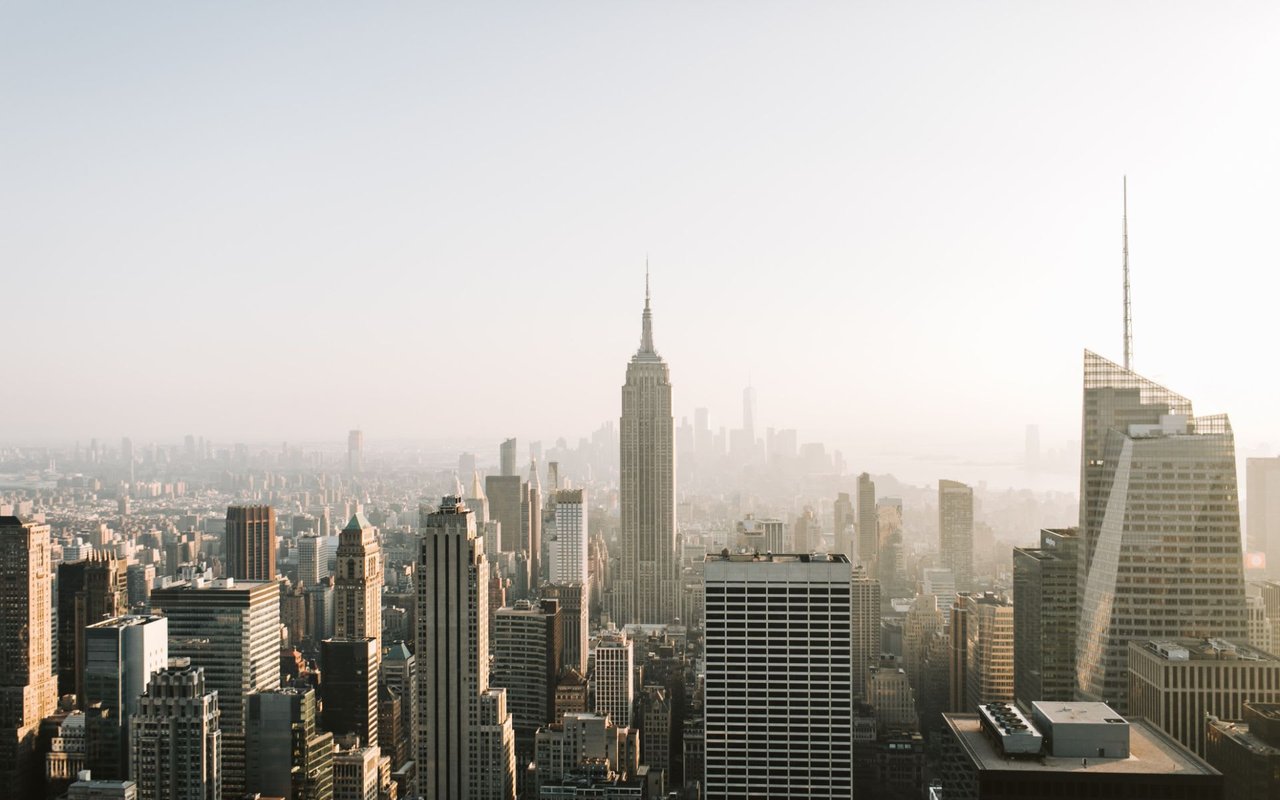
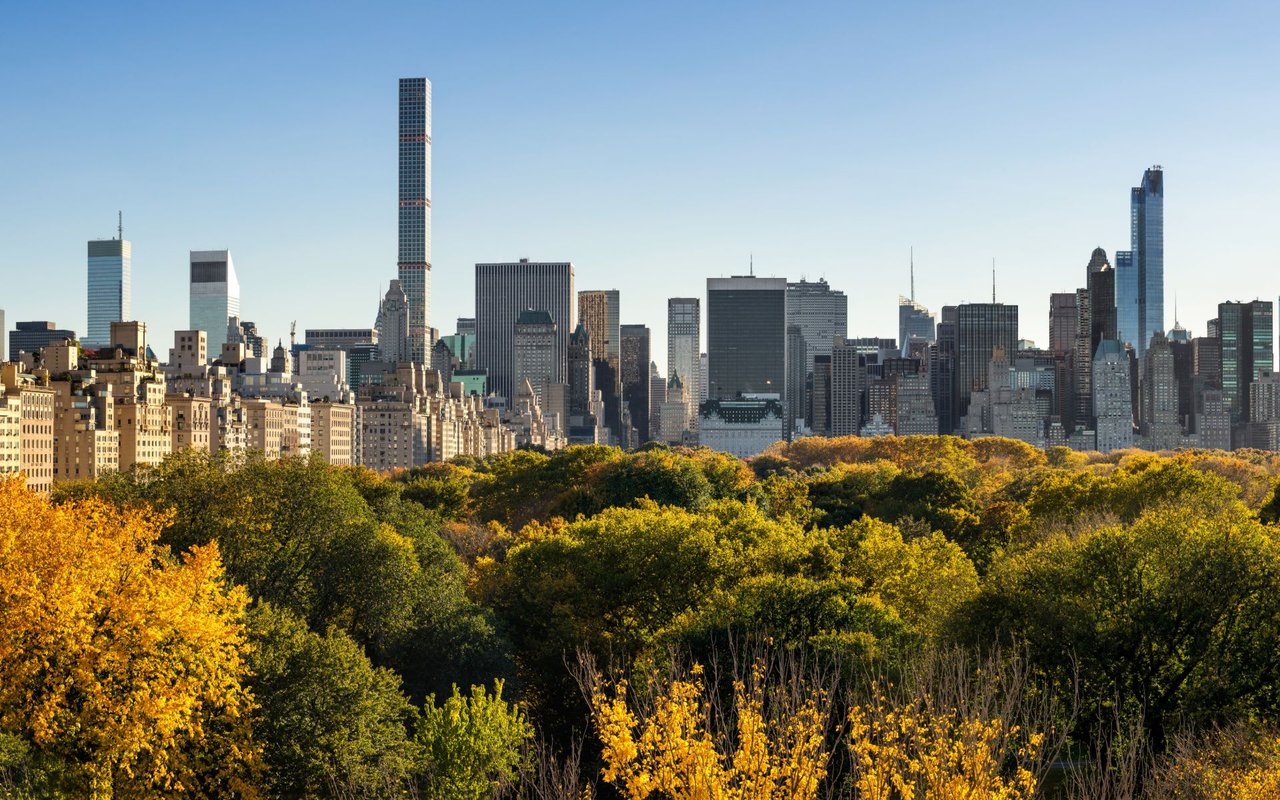
The views deserve separate mention. From floors 80 and above, Central Park resolves into a perfectly rectangular garden laid out below you. On clear days at the top of Central Park Tower or 432 Park, you can see the Atlantic Ocean and the hills of Pennsylvania. The Empire State Building and the Chrysler Building become peers, not giants. Residents don't look at the skyline — they look across it.
Security has evolved significantly. Most buildings now use biometric elevator access — facial recognition or palm-vein scanning that automatically routes residents to their floor. Many units include signal-shielded safe rooms, and several buildings offer unmarked secondary lobby entrances for high-profile residents who need to bypass the main concierge desk entirely.
The 2022 opening of Aman New York, with only 22 residences, added a new dimension to the corridor — proving that for some buyers, exclusivity trumps altitude. Its quiet limestone presence in the Crown Building is as much a statement as any supertall.
Position is everything on the Row, and the position here is nearly unmatched in Manhattan. The southern gates of Central Park at 59th Street are steps away from the primary buildings. Carnegie Hall sits at the base of several towers. MoMA is a two-block walk south. Columbus Circle — the corridor's functional hub and the heart of Midtown West — anchors the western end with the Deutsche Bank Center, Whole Foods, luxury retail, and a gateway to Lincoln Center 12 minutes on foot.
Moving east, the corridor bleeds seamlessly into the Upper East Side's older, more institutional luxury — Fifth Avenue, Museum Mile, and the city's most competitive private school landscape. Buyers who love the park proximity but prefer pre-war scale often look just beyond the supertalls to residences like this 30 East 85th Street home, a short walk from the corridor's eastern end. Moving south, the Row connects directly to Midtown's business core, which is part of why the address works equally well as a Midtown pied-à-terre and a full-time base.
Transit access is exceptional for a corridor of this wealth level. The 57th St–7th Ave station (N, Q, R, W) and the 59th St–Columbus Circle station (1, A, B, C, D) bookend the Row, giving it a transit score of 100 and a walkability score of 99. Most residents don't use the subway, but the optionality matters, and building staff and service workers rely on it entirely.
The shadow issue remains unresolved and politically charged. On winter afternoons, the shadows of the supertalls stretch nearly halfway through Central Park — reaching as far north as the Sheep Meadow. It is a legitimate quality-of-life concern for park users and one that has fueled ongoing regulatory debate at the city level.
The density of world-class dining within a five-minute walk of Billionaire's Row is genuinely difficult to replicate anywhere else in the world.
Masa at the Deutsche Bank Center remains one of the most expensive dining experiences on the planet — well over $900 per person — while Thomas Keller's Per Se occupies the floor above it with arguably the best view of Central Park from any restaurant in the city. Le Bernardin, Eric Ripert's seafood institution on 51st Street, has been a staple of the 57th Street elite for decades. Jean-Georges at 1 Central Park West continues to anchor the "power lunch" circuit.
Within the corridor itself, Arva (Italian) and Nama (Japanese Washoku) at Aman New York have emerged as the preferred destinations for residents who value discretion over visibility — dining in a hotel setting that the public can access in theory but rarely finds.
For those visiting rather than residing, the most compelling access point to the Billionaire's Row atmosphere is The Garden at Aman New York — a 7,000-square-foot outdoor terrace on the 14th floor with fire pits and a retractable glass roof. The Jazz Club at Aman, a subterranean speakeasy below it, has become the premier late-night destination. The Ty Bar at the Four Seasons (57 East 57th) rounds out the options for high-stakes, high-discretion meetings.
A short walk north, Bemelmans Bar at The Carlyle — with its hand-painted murals and decades of social history — remains the emotional soul of the broader neighborhood.
Culturally, the Row is extraordinary. Carnegie Hall is literally adjacent to several towers (the residents of 111 West 57th live above what was once the Steinway Hall complex). Lincoln Center — home to the Met Opera, the New York Philharmonic, and NYCB — is 12 minutes on foot. MoMA is two blocks south, and the 53W53 tower integrates three new gallery levels directly into its base.
For shopping, Nordstrom's NYC flagship occupies the base of Central Park Tower. Bergdorf Goodman, Tiffany & Co., Hermès, Chanel, and Goyard are all within a five-minute walk on Fifth and Madison Avenues. A notable 2026 trend: many luxury brands have vacated traditional storefronts in favor of by-appointment-only private salons on upper floors, catering specifically to Row residents who prefer to shop away from tourist traffic.
Central Park is, functionally, the backyard of Billionaire's Row — 843 acres of managed green space at the front door. The southern entrance at 59th Street is the primary access point, leading quickly to the Wollman Rink (still operating through late April in 2026), the Pond, and the quiet walking paths of the Hallett Nature Sanctuary — the closest "off-the-tourist-grid" zone for morning walks.
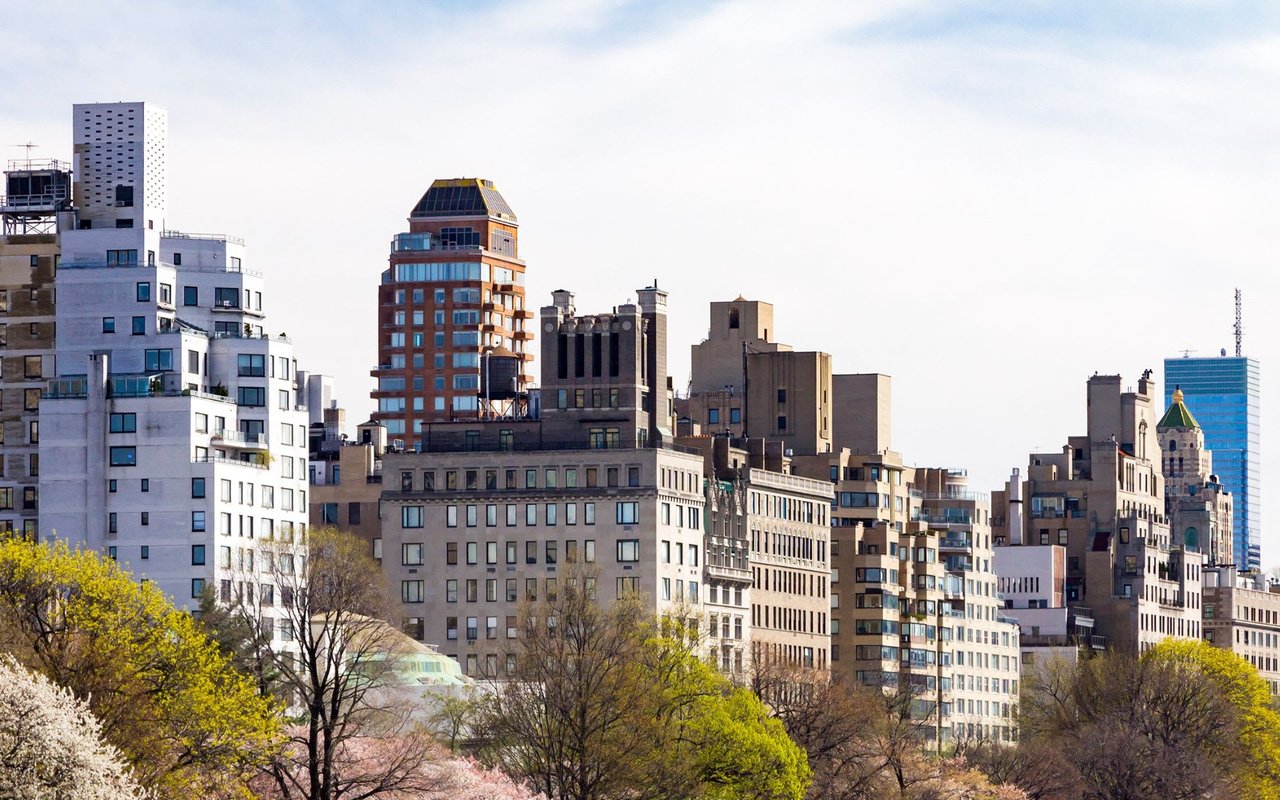
From the upper floors, residents track the seasons by the park's canopy. Right now, in mid-April, cherry blossoms are in peak bloom. By October, the same view turns deep amber and red. It is one of the few genuinely organic experiences available at this altitude.
The western edge of the corridor has seen meaningful green expansion. Pier 97, at the foot of 57th Street on the Hudson River, opened recently as what I'd call the Row's waterfront living room — a sunset plaza, destination playground, and landscaped public space that provides a vital connection to the river. Pier 57's rooftop park, nearly two acres, offers one of the city's only reverse views of the supertall skyline from the water.
A significant 2026 infrastructure development: the 72nd Street Transformation has introduced a two-way protected bike lane creating what the city calls a "Green Loop" — a continuous protected cycling route from the Hudson River through Central Park to the East Side. For residents who actually use the neighborhood at ground level, it meaningfully improves the experience.
If you are looking for a neighborhood in the warm, organic sense — neighbors who know your name, a local coffee shop where you're a regular — Billionaire's Row is not it. The architecture is deliberately designed to prevent casual encounters. Private elevators open directly into individual foyers. You can live in a building for years without ever seeing the person one floor above you.
The buildings are most "populated" during clustered global events: the UN General Assembly in September, New York Fashion Week, and the winter holidays. Estimates suggest that in some towers, fewer than 25% of units are primary residences on any given night. The 2026 Pied-à-Terre Tax is the most serious regulatory attempt yet to change that calculus — and whether it moves the needle or simply becomes another carrying cost for people who can absorb it remains an open and genuinely interesting question.
The dominant demographics are finance (hedge fund founders, private equity leaders), tech and AI executives relocating from the West Coast, entertainment figures, and sovereign wealth from Gulf States and Europe. Ken Griffin's purchase at 220 Central Park South is the defining reference point for the finance contingent. The AI and tech wave is newer, and it's actively shaping which buildings see the most transactional activity.
The only real community that forms here happens in residents-only dining rooms and lounges — controlled environments where the ultra-wealthy network on their own terms. For many residents, the most consistent relationship inside the building is with their Lifestyle Manager, not a neighbor.
Schools: The Row sits at the intersection of access to Manhattan's most competitive private school market. Trinity School (W 91st St), consistently ranked among the best in the country, is a direct commute. Collegiate School (W 68th St), the oldest independent school in the U.S., is a short drive up the West Side. The Brearley and Spence Schools on the Upper East Side are 10–15 minutes by car service. Juilliard and Fordham University at Lincoln Center add a distinctive creative and academic energy to the corridor's western edge.
Healthcare: Mount Sinai West (59th St & 10th Ave) is the closest major hospital, with a concierge primary care wing at 200 West 57th Street essentially embedded in the corridor. NewYork-Presbyterian/Weill Cornell — roughly 10–12 minutes across town — is the preferred destination for specialized care. Most residents at this level engage Private Health Management firms that coordinate on-call nursing, specialist access, and at-home medical visits directly to the residence.
Safety: As of April 2026, Manhattan is experiencing its safest start to a year on record for major violent crimes — murders and shootings down over 44% year-to-date. Billionaire's Row specifically is one of the most surveilled stretches of sidewalk in the world, combining NYPD presence with private 24/7 security teams in every tower and street-level cameras among the most advanced in the city. Property crime and cyber-security threats remain the primary risk vectors, both actively managed through encrypted networks and private motor courts.
Day-to-Day: Whole Foods at Columbus Circle functions as the neighborhood's accessible grocery anchor, though most residents rely on private delivery services or the gourmet food halls embedded in the towers themselves. Equinox Destination, Barry's, and SoulCycle serve the fitness needs of those who don't exclusively use their building's private gym. The corridor also supports a quiet ecosystem of high-end tailors, art restorers, and private vault services for jewelry and fine art storage — the invisible infrastructure of serious wealth.
Navigating the upper end of the Manhattan market requires more than a search portal and a showing. Every building on Billionaire's Row has its own pricing history, ownership profile, amenity trajectory, and resale dynamics. Understanding those details — and knowing what they mean for your specific situation — is where real expertise earns its place.
Carol Staab is a Licensed Associate Real Estate Broker at Sotheby's International Realty, ranked in the top 1.5% of agents nationally by RealTrends, with 28 years focused exclusively on Manhattan's luxury market and over $190M in solo closed sales. Her work spans the full length of the prime Manhattan corridor — Central Park, the Upper East Side, Fifth Avenue, and Billionaire's Row — with a specialty in $4M+ and $10M+ co-ops and condos.
Carol is perhaps best known for her market-making work at The Ritz-Carlton Residences on Central Park South, where she represented both buyer and seller in a dual-sided $28.4M all-cash sale that went from launch to contract in 45 days — resetting the pricing narrative for the entire building. She is also the author of The Pulse, a weekly $4M+ Manhattan luxury market intelligence report read by CEOs, founders, and global investors who rely on her analysis to understand what's actually happening in the market, not just what's being reported.
If you are considering buying, selling, or evaluating your position in the Billionaire's Row market — or anywhere along Manhattan's premier luxury corridors — Carol offers private consultations tailored to your specific goals.
Carol Staab | Sotheby's International Realty 📧 carolstaab.com 📱 Available for confidential conversation — no obligation, no pressure.
"My role is to elevate your position with intelligent strategy, Manhattan luxury market insight, and meticulous execution."
There's plenty to do around Billionaire’s Row, including shopping, dining, nightlife, parks, and more. Data provided by Walk Score and Yelp.
Explore popular things to do in the area, including Levine Leo, Evan Roberts, and Nebiani Designs.
| Name | Category | Distance | Reviews |
Ratings by
Yelp
|
|---|---|---|---|---|
| Shopping | 0.09 miles | 0 reviews | 0/5 stars | |
| Shopping | 0.1 miles | 1 review | 1/5 stars | |
| Shopping | 0.1 miles | 0 reviews | 0/5 stars | |
| Shopping | 0.1 miles | 0 reviews | 0/5 stars | |
| Shopping | 0.1 miles | 0 reviews | 0/5 stars | |
| Shopping | 0.1 miles | 0 reviews | 0/5 stars | |
| Shopping | 0.12 miles | 0 reviews | 0/5 stars | |
| Shopping | 0.13 miles | 0 reviews | 0/5 stars | |
| Shopping | 0.13 miles | 0 reviews | 0/5 stars | |
| Shopping | 0.13 miles | 0 reviews | 0/5 stars | |
| Shopping | 0.13 miles | 0 reviews | 0/5 stars | |
| Shopping | 0.13 miles | 0 reviews | 0/5 stars | |
| Shopping | 0.13 miles | 0 reviews | 0/5 stars | |
| Shopping | 0.14 miles | 0 reviews | 0/5 stars | |
| Shopping | 0.14 miles | 0 reviews | 0/5 stars | |
| Shopping | 0.14 miles | 0 reviews | 0/5 stars | |
| Shopping | 0.16 miles | 0 reviews | 0/5 stars | |
| Shopping | 0.17 miles | 0 reviews | 0/5 stars | |
| Shopping | 0.19 miles | 0 reviews | 0/5 stars | |
| Active | 0.11 miles | 0 reviews | 0/5 stars | |
| Active | 0.13 miles | 0 reviews | 0/5 stars | |
| Beauty | 0.16 miles | 1 review | 5/5 stars | |
| Beauty | 0.16 miles | 0 reviews | 0/5 stars | |
| Beauty | 0.18 miles | 0 reviews | 0/5 stars | |
|
|
||||
|
|
||||
|
|
||||
|
|
||||
|
|
||||
|
|
Billionaire’s Row has 177,439 households, with an average household size of 2. Data provided by the U.S. Census Bureau. Here’s what the people living in Billionaire’s Row do for work — and how long it takes them to get there. Data provided by the U.S. Census Bureau. 315,772 people call Billionaire’s Row home. The population density is 101,990 and the largest age group is Data provided by the U.S. Census Bureau.
Total Population
Population Density Population Density This is the number of people per square mile in a neighborhood.
Median Age
Men vs Women
Population by Age Group
0-9 Years
10-17 Years
18-24 Years
25-64 Years
65-74 Years
75+ Years
Education Level
Total Households
Average Household Size
Average individual Income
Households with Children
With Children:
Without Children:
Marital Status
Blue vs White Collar Workers
Blue Collar:
White Collar:

Carol Staab | September 9, 2026
Understanding Mortgage Pre-Approval Before You Buy in the Manhattan Real Estate Market.

Carol Staab | April 17, 2024
‘80s throwback design and natural materials are just two exciting trends to try out in your New York City home.
September 10, 2026
Pulse
Carol Staab | September 8, 2026
Carol Staab | October 4, 2024
The strategic tips for your success.
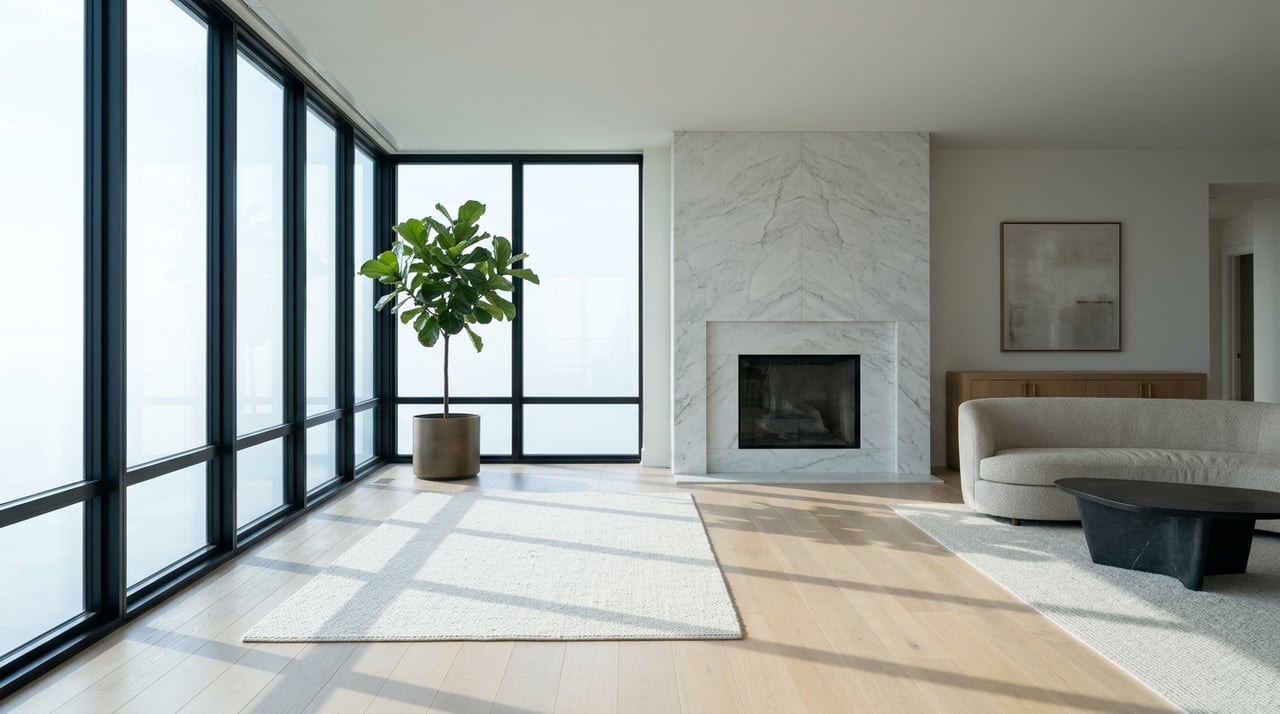
September 3, 2026
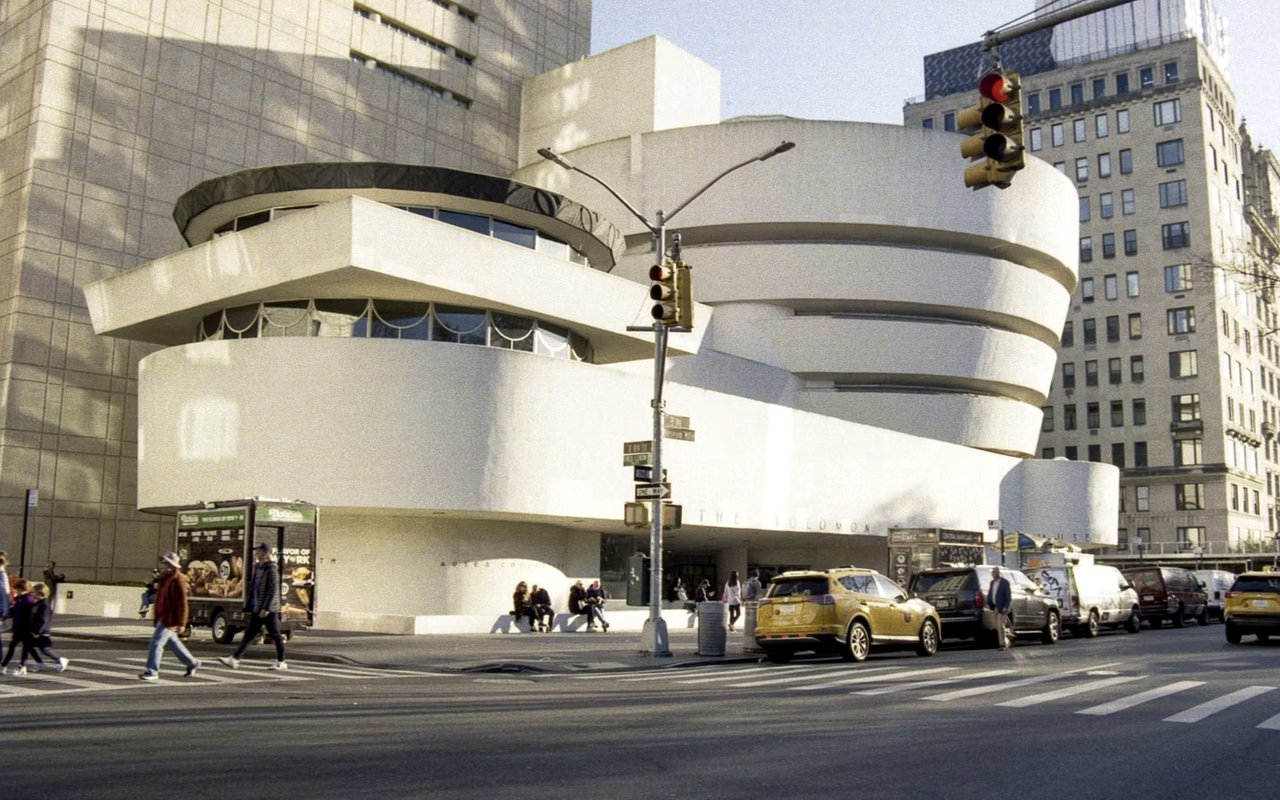
Carol Staab | September 2, 2026
On Manhattan’s Most Interesting Art Museums and Galleries.
Pulse
Carol Staab | August 31, 2026
August 27, 2026

Carol Staab | August 26, 2026
Green Space Becomes the Ultimate Manhattan Luxury: How Outdoor Gardens and Rooftops Shape Life in Manhattan Homes.
Pulse
Carol Staab | August 24, 2026
August 20, 2026
Pulse
Carol Staab | August 18, 2026
Pulse
Carol Staab | August 9, 2026
August 13, 2026
Carol Staab | August 10, 2026
A Loose Outline of How You Might Spend a Day Here.

Carol Staab | August 10, 2026
Simple Color Choices That Reshape How Your Space Feels.
August 6, 2026

August 6, 2026

Carol Staab | August 5, 2026
Design a Reading Retreat That Fits Your Manhattan Home.
Pulse
Carol Staab | July 24, 2026
Carol Staab | July 23, 2026
Manhattanites Have a Special Relationship with Space and Time.

Carol Staab | October 4, 2024
Discover the excitement.
July 23, 2026
Carol Staab | May 5, 2025
Scouring Manhattan’s cafes, from corner shops to well-known chains.
July 16, 2026
July 9, 2026
Carol Staab | July 8, 2026
Your Insider Guide to Buying One of New York City's Most Coveted Properties.

Carol Staab | July 8, 2026
Preserving the Past While Living in the Present.
Pulse
Carol Staab | July 8, 2026

Carol Staab | May 5, 2025
Accomplish your fitness goals efficiently at a Manhattan gym near you.
July 2, 2026
Pulse
Carol Staab | July 1, 2026
Carol Staab | May 5, 2025
Delve into nine of Manhattan’s world-class residential areas.
June 25, 2026

Carol Staab | April 16, 2024
Where you should go when you feel the need for retail therapy.
Pulse
Carol Staab | June 15, 2026
June 18, 2026
Pulse
Carol Staab | June 11, 2026
June 11, 2026
June 4, 2026

Carol Staab | October 4, 2024
Planning your timeline effectively.
Pulse
Carol Staab | May 29, 2026
May 28, 2026
May 21, 2026
Pulse
May 18, 2026
Pulse
Carol Staab | April 30, 2026

Carol Staab | October 30, 2024
Experience the melting pot of structural design in Manhattan.
May 14, 2026

Blog
Carol Staab | May 8, 2026
Setting the Stage for a Faster, More Profitable Sale.
Pulse
Carol Staab | April 30, 2026

Pulse
Carol Staab | March 31, 2026
Pulse
Carol Staab | March 23, 2026

Pulse
Carol Staab | February 19, 2026
Pulse
Carol Staab | February 11, 2026
Pulse
Carol Staab | September 3, 2025
Pulse
Carol Staab | September 15, 2025
Pulse
Carol Staab | September 25, 2025
Carol Staab | April 17, 2024
Read on to learn more about creating a compelling space in preparation to sell.

Carol Staab | April 17, 2024
Plan for your retirement with sound real estate and financial choices today.

Carol Staab | October 4, 2024
A Culinary Journey Through Manhattan's Finest Dining Establishments.
Pulse
Carol Staab | September 9, 2025
Pulse
Carol Staab | August 27, 2025
Pulse
Carol Staab | July 29, 2025
Pulse
Carol Staab | August 2, 2025
Pulse
Carol Staab | August 17, 2025
Pulse
Carol Staab | August 10, 2025
Pulse
Carol Staab | July 7, 2025
Pulse
Carol Staab | June 16, 2025

Pulse
Carol Staab | June 18, 2025

Pulse
Carol Staab | June 10, 2025
Pulse
Carol Staab | June 3, 2025
Pulse
Carol Staab | May 14, 2025

Pulse
Carol Staab | May 28, 2025
Pulse
Carol Staab | May 8, 2025

Carol Staab | May 5, 2025
Manhattan’s real estate market offers high potential, but smart investing requires solid strategy, research, and the right connections.
Carol Staab | May 5, 2025
Transform your Manhattan home into a space that blends style and function effortlessly.
Carol Staab | May 5, 2025
Your next chapter awaits.
Carol Staab | May 5, 2025
2025 is your chance to reimagine luxury living in Manhattan. What will your dream space look like?
Carol Staab | May 5, 2025
Your dream Manhattan home awaits.

Carol Staab | May 5, 2025
Winter in Manhattan is just the beginning of your adventure — get ready to embrace the magic.

Carol Staab | May 5, 2025
Breathe easier and live better in your Manhattan home by making air quality a top priority.
Pulse
Carol Staab | April 2, 2025

Pulse
Carol Staab | February 18, 2025

Pulse
Carol Staab | December 30, 2024

Pulse
Carol Staab | December 23, 2024
Pulse
Carol Staab | December 18, 2024

Pulse
Carol Staab | December 10, 2024
Pulse
Carol Staab | December 3, 2024

Pulse
Carol Staab | November 26, 2024
Pulse
Carol Staab | November 20, 2024
Pulse
Carol Staab | November 12, 2024
Pulse
Carol Staab | November 5, 2024

Carol Staab | October 30, 2024
Elevate your Manhattan condo with thoughtful upgrades that blend style, function, and urban sophistication.

Carol Staab | October 30, 2024
Achieve homeownership in the West Village with confidence.
Carol Staab | October 30, 2024
Elevate your living experience with a high-rise condo in Manhattan.

Carol Staab | October 30, 2024
Helping you achieve success.

Carol Staab | October 30, 2024
A comprehensive guide to finding the right fit.

Carol Staab | October 30, 2024
Making Moves Manageable: Smart Strategies for a Smoother Transition.
Carol Staab | October 30, 2024
Make Manhattan your next adventure.
Carol Staab has an innovative luxury real estate practice that provides an elite level of concierge service through unparalleled world-class marketing and a hands-on business approach. Her mission is to give her clients an exceptional experience while helping them achieve the best results possible.